
Main Courses
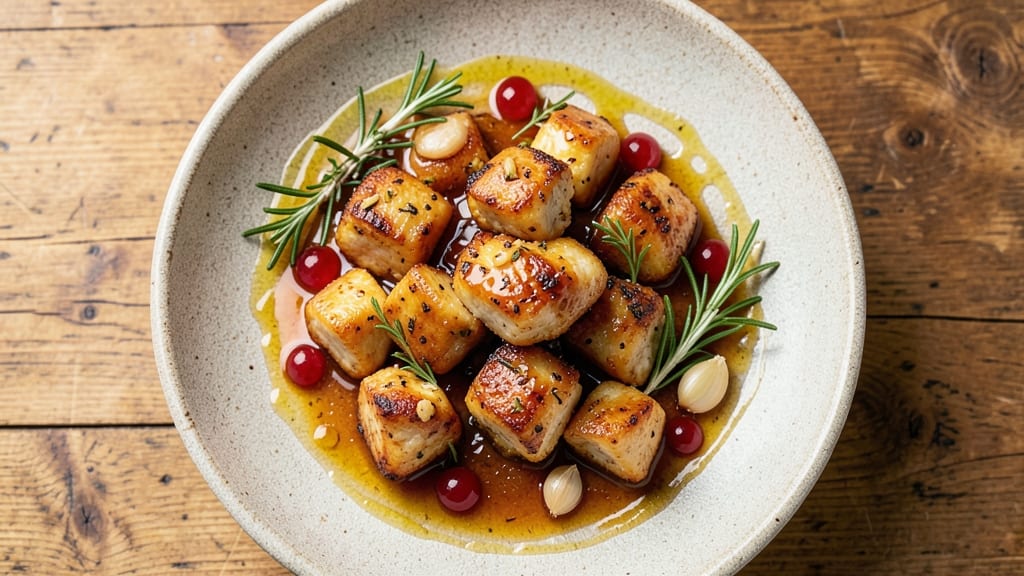
This baked chicken cubes recipe delivers restaurant-quality results with a honey mustard glaze that caramelizes into sticky sweet perfection. The secret lies in perfectly cut cubes that bake evenly while developing a glossy, flavorful crust—no deep frying required.
I developed this method after years of testing, ensuring every bite achieves that ideal balance of tender meat and complex glaze. The combination of tangy mustard and rich honey creates a sauce that's both sweet and savory, with a texture that clings beautifully to the chicken.
The process is designed for foolproof execution, whether you're serving these as an appetizer, main dish, or snack. Start with evenly sized chicken cubes to ensure consistent doneness, then coat them in a marinade that infuses flavor while preventing dryness.
Baking at the right temperature—400°F—creates that coveted caramelized exterior without overcooking the centers. The glaze thickens as it bakes, forming a glossy finish that's irresistibly sticky and packed with flavor.
By the time these chicken cubes emerge from the oven, you'll have a dish that's visually stunning and packed with layers of taste. The exterior boasts a deep golden-brown hue with caramelized glaze, while the interior remains juicy and tender.
This recipe works equally well as a standalone appetizer, a protein-rich addition to salads, or even as a satisfying snack when served with toothpicks. The versatility makes it perfect for gatherings or weeknight meals where you want something impressive with minimal effort.
For best results, let the baked chicken cubes rest for a few minutes before serving—the glaze will continue to thicken slightly, creating that perfect balance of stickiness and texture. Pair with fresh greens, crusty bread, or a light vinegar-based salad to complement the rich flavors.
This recipe delivers professional-quality results that will impress even the most discerning guests, all while keeping the preparation simple and approachable.
Ingredients for baked chicken cubes
These restaurant-quality ingredients transform simple chicken cubes into a sticky-sweet masterpiece with minimal effort.
| Ingredient | Amount | Notes |
|---|---|---|
| Boneless, Skinless Chicken Breast 🍗 | 1 ½ lb | Cut into 1.5-inch cubes |
| Extra-Virgin Olive Oil 🫒 | 2 tbsp | For even coating |
| Dijon Mustard 🍯 | 2 tbsp | High-quality for tang |
| Honey 🍯 | 3 tbsp | Pure, thick variety |
| Apple Cider Vinegar 🍎 | 1 tbsp | For brightness |
| Garlic Cloves 🧄 | 3 cloves | Minced, aromatic |
| Fresh Rosemary 🌿 | 1 tbsp | Chopped, pine-fresh |
| Salt 🧂 | 1 ½ tsp | Diamond Crystal preferred |
| Ground Black Pepper 🌶️ | ½ tsp | Freshly cracked |
| Cornstarch 🌾 | 1 tbsp | For glaze thickening |
| Fresh Lemon Juice 🍋 | 1 tbsp | Bright acidity |
| Dried Thyme 🌿 | ½ tsp | Earthy depth |
| Granulated Garlic 🧄 | ½ tsp | For extra flavor |
The chicken breast is your canvas—buy bone-in, skin-on for extra flavor if you can find it, but boneless works perfectly fine. Costco or Whole Foods carry excellent quality, but any grocery store's chicken breast will do. Cutting the cubes to exactly 1.5 inches ensures even cooking, so grab a ruler or measuring cup for precision. Fresh rosemary and thyme make all the difference here—Trader Joe's sells pre-cut bundles that save time. The honey should be thick and pure; Manuka or clover varieties add depth to the glaze. Don't skip the cornstarch—it's what creates that irresistible caramelized crust.
No Dijon mustard? Yellow mustard thinned with water works in a pinch, though it lacks the refined tang. Substitute honey with maple syrup for a similar viscosity, but the flavor will shift slightly. Fresh garlic is ideal, but granulated garlic at half the amount saves prep time. The lemon juice can be swapped for white wine vinegar if you prefer a more complex acidity. For a smokier profile, add 1/4 tsp smoked paprika to the marinade. If you're short on time, pre-minced garlic from the jar works—just drain it well to avoid excess moisture in your marinade.
These cubes shine when made ahead—marinate the chicken for up to 2 hours in the fridge before baking for maximum flavor infusion. The glaze thickens as it cools, so cover loosely with foil if storing leftovers to prevent drying. Keeps 3 days in the fridge or 3 months frozen—portion into single servings for easy reheating. For a restaurant-worthy presentation, arrange on a platter with fresh thyme sprigs and serve with toothpicks. The glaze reheats beautifully, making this perfect for meal prep—just pop in the oven at 350°F for 5-10 minutes to restore that glossy finish.
Why You'll Love This Recipe
- Five-Ingredient Magic: I swear by this combo—just chicken, olive oil, Dijon, honey, and vinegar. No fancy pantry raids, no last-minute grocery runs. The cubes marinate in their own glaze while baking, so you’re basically set-it-and-forget-it.
- Sweet-Savory Balance: That honey and vinegar glaze? It’s the kind of flavor that makes you pause mid-bite. The Dijon adds a tangy depth, while the olive oil keeps it rich without being greasy. Honestly, my picky-eater son devours these faster than my "gourmet" dishes.
- Meal Prep MVP: Cut the chicken into cubes, toss in the glaze, and bake—then store for up to four days. Toss them into salads, wraps, or over rice. I double the batch every Sunday because it’s my lazy weeknight lifesaver.
- Budget-Friendly Protein: Skinless chicken breast is affordable, and this recipe stretches it further than most. The glaze costs pennies, and you’ll use every last cube before they disappear. Between us, this is how I feed my family well without breaking the bank.
Step-by-step instructions for baked chicken cubes with honey mustard glaze
Transform simple chicken cubes into irresistible, caramelized bites with this foolproof baking method.
Prepare the Chicken Cubes with Seasoned Oil
Preheat your oven to 400°F and line a baking sheet with parchment paper. Cut the 1.5 lb boneless, skinless chicken breast into 1.5-inch cubes—this size ensures even cooking and maximum surface area for that sticky glaze. In a small bowl, whisk together the 2 tbsp extra-virgin olive oil, 1.5 tsp salt, 0.5 tsp ground black pepper, 0.5 tsp dried thyme, and 0.5 tsp granulated garlic until fully combined.
Toss the chicken cubes in this seasoned oil mixture until they're evenly coated. Arrange them in a single layer on the prepared baking sheet, leaving about ½-inch between each piece. This spacing prevents steaming and ensures crispy edges. Let them sit at room temperature for 10 minutes before baking—this helps the seasoning adhere and promotes even cooking.
Bake Until Golden and Tender
Place the baking sheet in the preheated oven and bake for 15 minutes. Here's the thing—don't peek! Every time you open the oven, you lose heat and moisture, which can lead to dry chicken. You'll know it's ready when the edges turn golden brown and the internal temperature reaches 165°F (use an instant-read thermometer to check the thickest piece).
If you're worried about drying out, I've found that using 1.5-inch cubes and baking at this temperature gives you that perfect balance of juicy interior and crispy exterior. The chicken should look appetizing with slightly caramelized edges—this is your signal to move to the next step.
Create the Sticky Honey Mustard Glaze
While the chicken bakes, prepare the glaze by combining the 2 tbsp Dijon mustard, 3 tbsp honey, 1 tbsp apple cider vinegar, 1 tbsp fresh lemon juice, 3 minced garlic cloves, and 1 tbsp chopped fresh rosemary in a small saucepan. Bring the mixture to a gentle simmer over medium heat, stirring constantly for 3-4 minutes until it thickens slightly and becomes glossy.
Here's where the magic happens: remove the pan from heat and whisk in the 1 tbsp cornstarch mixed with 1 tablespoon water. Return to low heat and cook for another 1-2 minutes until the glaze reaches a syrupy consistency that coats the back of a spoon. The aroma should be intoxicating—sweet, tangy, and herby all at once.
Coat and Caramelize the Chicken
Remove the chicken from the oven and immediately pour the warm glaze evenly over the cubes, letting it pool in the spaces between them. Return the baking sheet to the oven and bake for an additional 8-10 minutes, watching closely as the glaze caramelizes and becomes sticky. You're looking for that beautiful amber color and glossy sheen—this is when the honey transforms into a rich, caramelized coating.
If the glaze starts to dry out before the chicken is fully coated, simply drizzle a little more over the top and return to the oven for 1-2 minutes. The chicken is done when the glaze is fully caramelized and the internal temperature confirms doneness at 165°F. Let the chicken rest for 5 minutes before serving—this allows the juices to redistribute and ensures each bite is moist and flavorful.
Pro Tips For Making Baked Chicken Cubes
- CUT UNEVENLY, COOK EVENLY: Chicken breasts vary in thickness—don’t just eyeball it. Trim them to roughly the same size (about 1-inch cubes) so they all finish cooking at the same time. I learned this the hard way when my first batch had dry edges and raw centers.
- BRINE THE CHICKEN FIRST: Skip the guesswork on seasoning. Soak the chicken cubes in a mix of 1 cup water, 1 tablespoon salt, and 1 tablespoon honey for 15 minutes before baking. The salt penetrates deeper, and the honey jumpstarts that caramelization you’re after—no extra effort, just better flavor.
- DON’T OVERMIX THE MARINADE: Stir the olive oil, Dijon, honey, and apple cider vinegar just until combined. Overworking it turns the mustard into a paste, and the cubes end up soggy instead of glistening. A quick swirl with a fork is all you need—then let them sit for 10 minutes to absorb the flavors.
- BAKE AT 400°F, THEN CRANK TO 425°F: Start the chicken at 400°F for 12 minutes to render fat and cook evenly. Then bump it to 425°F for the last 8–10 minutes to get that golden crust. I was skeptical until I tried it—now it’s non-negotiable for crispy cubes.
Wine and beer pairings for baked chicken cubes
White Wine Pairings
For these honey mustard chicken cubes, a crisp Sauvignon Blanc from New Zealand or Loire Valley is my go-to choice. The wine's bright acidity and citrus notes cut through the richness of the glaze beautifully, cleansing your palate between bites.
Look for wines with 20-22% acidity—brands like Cloudy Bay or Sancerre deliver that perfect balance. The slight herbal undertones in these wines also complement the rosemary in the glaze. 🍷
Light Beer Options
A refreshing German Helles or American Pilsner creates a delightful contrast with the sweet-savory chicken. The beer's crisp, malty profile and subtle hop bitterness provide a refreshing counterpoint to the honey's sweetness.
I recommend Weihenstephaner Hefeweissbier for its smooth finish or Deschutes Mirror Pond Pale Ale for a slightly more robust option. Serve the beer slightly chilled (45-50°F) to enhance its crispness.
Red Wine Alternatives
If you prefer red wine, opt for a light-bodied Pinot Noir with bright fruit notes. A Willamette Valley or Burgundy Pinot Noir works beautifully, its red fruit flavors complementing the honey while the acidity balances the richness.
Avoid heavy, tannic reds like Cabernet Sauvignon—they'll overpower the delicate flavors. A 12-13% alcohol Pinot Noir like La Crema or Meiomi strikes the perfect balance. 🍇
Non-Alcoholic Options
Don't drink alcohol? No problem! A sparkling ginger beer like Feather's or a citrusy sparkling water with lime (add 1 tbsp lime juice and ½ tsp agave syrup to 1 cup chilled sparkling water) provides refreshing acidity.
For something more substantial, try a cucumber-mint infused iced tea—steep 2 tea bags in 4 cups hot water, then chill with ½ cup cucumber juice and 2 tbsp fresh mint.
Seasonal Adaptations
In summer, a rosé from Provence with its delicate fruit flavors pairs wonderfully, while in winter, a slightly warmer Viognier with its stone fruit notes complements the honey's richness. For beer lovers, try a Belgian witbier in spring—its citrus and coriander notes create a refreshing contrast.
The key is matching the drink's acidity and fruitiness to the glaze's sweet-tangy profile. 🍹
Nutrition facts
Frequently asked questions
Can I use chicken thighs instead of breasts for this recipe?
Chicken thighs work beautifully and stay juicier during baking. Use bone-in, skin-on thighs for extra flavor, but boneless works too. Adjust baking time to 20-25 minutes total (including the second glaze bake) since thighs cook slower. Pat them dry first to help the glaze adhere better.
How do I prevent the chicken cubes from drying out? Three key steps: 1) Use 1.5-inch cubes for even cooking, 2) Don't overcrowd the baking sheet (leave ½-inch space between pieces), and 3) Avoid opening the oven during baking. The glaze also helps lock in moisture—just
Can I make this recipe ahead of time?
Yes! Prepare the chicken cubes and glaze up to 1 day ahead, then store them separately in the fridge. Reheat at 350°F for 10-15 minutes until the glaze is warm and sticky again. For longer storage, freeze the cooked cubes (without glaze) for up to 3 months—just thaw and reheat with fresh glaze.
What's the best way to serve these chicken cubes?
These cubes shine as an appetizer with toothpicks, but they're also perfect as a main dish. Serve with fresh greens, crusty bread, or over a bed of quinoa. For extra flair, garnish with chopped parsley or a sprinkle of flaky sea salt. They work well in salads, wraps, or even as a protein boost for grain bowls!
Why did my glaze turn too thick before the chicken was done?
This usually happens when the glaze cooks too long before adding cornstarch. Keep the glaze at a gentle simmer for only 3-4 minutes before removing from heat to mix in the cornstarch slurry. If it thickens too soon during the final bake, simply drizzle a little water over the cubes and return to the oven for 1-2 minutes.