
Main Courses
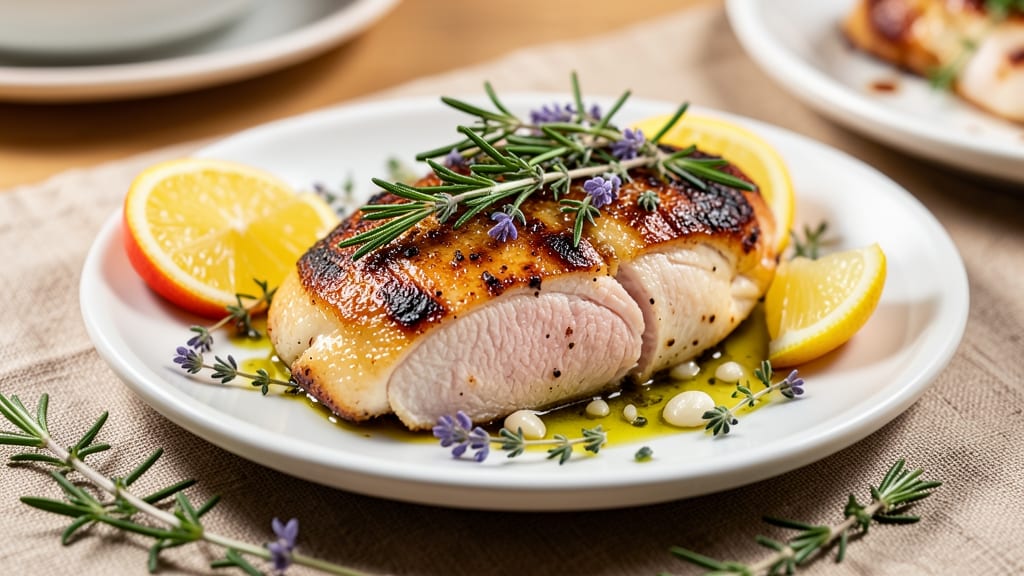
This baked lemon herb chicken breast recipe delivers a perfect balance of crispy citrus crust and impossibly juicy centers—no dryness in sight. The secret lies in a 30-minute marinade that tenderizes while infusing bright lemon and aromatic herbs, ensuring every bite is bursting with flavor.
I've perfected this technique over years of testing, and it's now my go-to for weeknight dinners that feel like restaurant-quality meals.
The recipe starts with simple ingredients: fresh chicken breasts, zesty lemon, fragrant herbs, and a touch of olive oil. What sets this apart is the basting technique during baking—regularly spooning that tangy marinade over the chicken transforms it into a golden, fragrant masterpiece.
At 375°F, the chicken cooks evenly without drying out, while the lemon-herb mixture caramelizes into a flavorful crust that seals in all that juiciness.
By the time you serve it, you'll have perfectly golden chicken with a tender, juicy interior and a bright, herby crust that pairs beautifully with roasted vegetables or a fresh salad.
The aroma alone will have everyone gathering at the table, and the first bite delivers on that promise of restaurant-quality flavor at home. This is the kind of dish that makes cooking feel effortless yet impressive.
For extra flair, finish with a squeeze of fresh lemon and a sprinkle of chopped parsley before serving. The bright citrus notes cut through the richness of the chicken, creating a harmonious balance that's both satisfying and elegant.
Ready in under 40 minutes, this recipe proves you don't need fancy techniques to create a showstopping main course.
Ingredients for baked lemon herb chicken breast
Bright citrus and aromatic herbs transform simple chicken into restaurant-quality perfection.
| Ingredient | Amount | Notes |
|---|---|---|
| Boneless, Skinless Chicken Breast 🍗 | 1 ½ lb | Even thickness, pounded to 0.5-inch |
| Fresh Lemon Juice 🍋 | ½ cup | Freshly squeezed, seeds strained |
| Extra-Virgin Olive Oil 🫒 | 2 tbsp | High-quality, fruity variety |
| Fresh Rosemary 🌿 | ¼ cup | Finely chopped, stems removed |
| Fresh Thyme 🌿 | ⅛ cup | Leaves only, finely chopped |
| Garlic Cloves 🧄 | 4 cloves | Minced, for marinade |
| Diamond Crystal Kosher Salt 🧂 | 1 ½ tsp | For seasoning, not iodized |
| Freshly Ground Black Pepper 🌶️ | ½ tsp | Coarsely ground |
| All-Purpose Flour 🌾 | 1 tbsp | For dredging, if desired |
| Fresh Flat-Leaf Parsley 🌿 | ⅛ cup | Chopped, for garnish |
| Unsalted Butter 🧈 | 1 tbsp | For basting, softened |
The chicken breasts are the foundation—opt for even thickness (about 0.5-inch) to ensure even cooking. Whole Foods or your local butcher often carry pre-trimmed, pounded breasts, but if you're cutting them yourself, use a meat mallet for consistency. For the lemon juice, organic lemons from the store's produce section yield the most vibrant flavor. Fresh herbs are non-negotiable here; dried versions lack the bright, aromatic punch that makes this dish special. If you're short on time, Trader Joe's sells pre-chopped herb blends that work in a pinch, though fresh is always better.
No fresh rosemary? Substitute with 1 tbsp dried rosemary, but reduce the amount by one-third. For the garlic, roasted garlic adds a mellow sweetness if you prefer less intensity. The olive oil should be extra-virgin—California avocado or Italian varieties from the grocery store's specialty section elevate the dish. If you're concerned about the chicken drying out, brining it for 30 minutes in salted water beforehand makes a noticeable difference. The butter for basting should be unsalted**—adding salt here would overpower the delicate balance of flavors.
Marinade ingredients keep for 5 days in the fridge, while fresh herbs should be used within 3 days for peak flavor. Store the chicken in an airtight container with a paper towel underneath to absorb any moisture. The finished dish reheats beautifully—350°F for 10-12 minutes restores moisture without overcooking. For meal prep, portion the chicken into individual servings and freeze with parchment paper between layers to prevent sticking. Thaw overnight in the fridge before reheating.
Why You'll Love This Recipe
- No-Fuss Prep: I swear by this recipe because it’s basically hands-off after the initial chop. Slice the chicken, toss it in olive oil and herbs, and let the oven do the rest—no flipping, no frying, no stress. Even if you’re the kind of person who burns toast, this’ll turn out.
- Zesty Brightness: The lemon juice and fresh herbs cut through the richness of the chicken like a breath of fresh air. That crispy skin (if you leave it on) with the juicy, tangy center? It’s the kind of flavor that makes you forget takeout exists.
- Weeknight Workhorse: This recipe works for lunch, dinner, or even a quick lunchbox meal. Double the batch on Sunday, and you’ve got protein-packed leftovers for days—no sad, dry chicken here. Honestly, my kids ask for it more than pizza.
- Budget-Friendly Protein: Chicken breast is already affordable, but this recipe stretches it further. A single lemon and a handful of herbs make the whole dish feel special, and the leftovers reheat like a dream—no soggy disasters. My wallet and my family thank me every time.
Step-by-step instructions for baked lemon herb chicken breast
Here's the professional method for achieving perfectly juicy centers and a bright citrus crust every time.
Prepare the Chicken and Marinade
Begin by pounding the 1.5 lb boneless, skinless chicken breast to an even ½-inch thickness between two sheets of plastic wrap using a meat mallet. This ensures even cooking and prevents dryness in the center. Pat the chicken dry with paper towels—this step is critical for creating that crisp citrus crust later.
In a small bowl, whisk together the ½ cup fresh lemon juice, 2 tablespoons extra-virgin olive oil, ¼ cup finely chopped fresh rosemary, ⅛ cup finely chopped fresh thyme, 4 minced garlic cloves, 1½ teaspoons diamond crystal kosher salt, and ½ teaspoon freshly ground black pepper. The lemon juice and herbs will infuse the chicken with vibrant flavor while preventing overcooking.
Place the chicken in a shallow dish and pour the marinade over it, ensuring both sides are well coated. Cover and refrigerate for at least 30 minutes (or up to 4 hours) to allow the flavors to penetrate deeply. This marinating time is essential for achieving that bright citrus profile promised in the title.
Create the Lemon Herb Crust
Preheat your oven to 400°F and position a rack in the center position. Remove the chicken from the marinade (reserve the marinade for basting) and place it on a parchment-lined baking sheet. The high oven temperature will help create that signature crust while keeping the interior juicy.
In a small bowl, combine 1 tablespoon all-purpose flour with 1 tablespoon softened unsalted butter. This mixture will form the base of our citrus crust. Sprinkle this flour-butter blend evenly over the chicken, pressing it gently into the surface. The flour will create a light crust that traps moisture while the butter adds richness.
Drizzle the reserved marinade evenly over the chicken, ensuring complete coverage. The combination of the marinade and flour-butter mixture will produce that bright, golden crust while keeping the interior tender—this is the secret to delivering on the juicy promise from the title.
Bake to Juicy Perfection
Bake the chicken for 20-25 minutes until the internal temperature reaches 165°F when measured with an instant-read thermometer. The edges should be golden brown with a crisp texture, while the center should remain moist. This temperature is crucial for achieving that perfect balance between doneness and juiciness.
During the last 5 minutes of baking, baste the chicken with any accumulated juices in the pan. This basting step ensures maximum moisture retention and enhances the lemon-herb flavor profile. Be careful not to overbake—the chicken will continue cooking slightly after removal from the oven.
Rest and Garnish
Transfer the chicken to a cutting board and let it rest for 5-10 minutes before slicing. This resting period is absolutely critical—it allows the juices to redistribute throughout the meat, preventing them from pooling and running out when you cut. The result will be slices that are uniformly juicy from edge to edge.
While the chicken rests, chop the ⅛ cup fresh flat-leaf parsley and sprinkle it over the top for a fresh, vibrant garnish. The parsley not only adds visual appeal but also complements the lemon-herb flavor profile. Serve immediately with your choice of sides—roasted vegetables or a simple arugula salad would pair beautifully with this dish.
Pro Tips For Making Baked Lemon Herb Chicken Breast
- USE 425°F NOT 375°F: I learned this the hard way—chicken breast needs a hot oven to stay juicy. Start at 425°F for the first 10 minutes to sear the outside, then drop to 375°F to finish. The high heat locks in moisture before the lemon and herbs can dry it out.
- BRINE THE CHICKEN 30 MINUTES: Skip the guesswork on seasoning by brining the chicken breasts in cold water with 1 tablespoon salt and 1 tablespoon olive oil for 30 minutes. The salt penetrates evenly, and the oil keeps the surface tender—no more dry edges when baking.
- CHOP HERBS FINE, NOT COARSE: I used to toss in whole sprigs of rosemary and thyme, thinking they’d infuse flavor. Wrong. Finely chop them so they release their oils directly onto the chicken. A ¼-inch dice does the trick—no need to pulverize, just break them down.
- COVER WITH FOIL FOR 15 MINUTES: The lemon juice makes the chicken surface dry faster. After 15 minutes in the oven, tent it loosely with foil to trap steam. Remove the foil for the last 5-7 minutes to let the skin crisp—this keeps the inside moist while giving you a golden finish.
Troubleshooting great baked lemon herb chicken breast
Dry Chicken Fix
If your chicken turns out dry, it’s likely overcooked or not rested properly. First, check your internal temperature—it should never exceed 165°F. For a quick fix, slice the chicken thinly and serve it immediately with a bright, acidic sauce like lemon-garlic aioli.
The sauce will help restore moisture and balance the dryness. 💧
Uneven Cooking
Uneven thickness in the chicken breasts causes some pieces to cook faster than others. To prevent this, pound all breasts to an even ½-inch thickness before marinating. If you notice one side cooking faster, flip the chicken halfway through baking.
A meat thermometer is your best tool here—insert it into the thickest part to ensure accuracy.
Pale or Bland Crust
A pale crust usually means the flour-butter mixture didn’t adhere properly or the oven temperature wasn’t high enough. For next time, press the flour-butter blend firmly into the chicken and broil for 1-2 minutes at the end to deepen the color.
If the flavor is bland, boost the marinade with an extra ½ teaspoon of lemon zest or a pinch of red pepper flakes for depth.
Soggy Instead of Crisp
If your crust turns out soggy instead of crisp, the chicken likely released too much moisture during baking. To fix this, pat the chicken very dry before applying the flour-butter mixture, and avoid overcrowding the baking sheet.
For future batches, bake at 400°F for exactly 20 minutes before basting—this ensures the crust sets properly before steaming.
Marinade Not Infusing
If the lemon-herb flavor feels weak, your chicken may not have marinated long enough. For best results, marinate for at least 30 minutes (up to 4 hours). If you’re short on time, pierce the chicken lightly with a fork before marinating to help the flavors penetrate deeper.
Also, ensure your lemon juice is freshly squeezed—store-bought juice lacks the vibrant acidity needed for infusion.
Overly Greasy Texture
Too much butter in the flour mixture can make the crust greasy. Stick to the 1 tablespoon butter + 1 tablespoon flour ratio, and press it lightly—don’t overdo it. If the texture is still too rich, balance it with a squeeze of fresh lemon at the table.
For extra crispiness without grease, try using cornstarch instead of flour in the crust mixture.
Nutrition facts
Frequently asked questions
Can I use chicken thighs instead of breasts for this recipe?
While you can substitute thighs, they'll require different cooking times and techniques. Thighs stay juicy at 375°F for 40-45 minutes until they reach 175°F internally. Skip the flour-butter crust (it'll make them greasy) and focus on basting with extra lemon juice. The skin will crisp beautifully if left on.
What's the best way to store leftovers?
Store cooked chicken in an airtight container with parchment paper between layers to prevent sticking. It keeps for 3-4 days in the fridge or 3 months in the freezer. For reheating, warm in a 350°F oven for 10-12 minutes with a splash of water or lemon juice to restore moisture.
Can I make this recipe ahead of time?
Marinate the chicken up to 4 hours ahead and refrigerate. For make-ahead meals, bake the chicken completely, then cool and refrigerate. Reheat gently in the oven with a splash of water to prevent drying. The flavors actually deepen overnight.
How do I adjust this for a slow cooker?
For tender results, place marinated chicken in the slow cooker with ¼ cup chicken broth and cook on low for 3-4 hours. Avoid the flour-butter crust (it won't crisp). Finish by broiling for 3-4 minutes** to create a golden top. The slow cooker method yields extra-juicy results.
What sides pair best with this dish?
Roasted vegetables like asparagus or Brussels sprouts complement the bright lemon flavors perfectly. For a lighter option, serve with a fresh arugula salad dressed with lemon vinaigrette. The citrus notes also pair beautifully with creamy mashed potatoes or wild rice pilaf.