
Main Courses
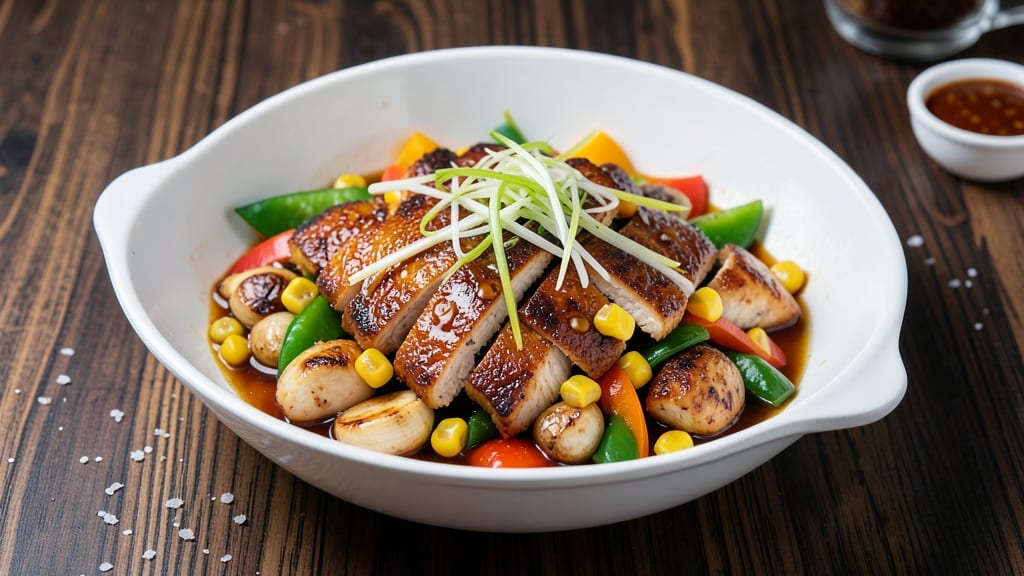
This authentic Chinese chicken stir fry delivers the smoky, savory flavors of a Cantonese wok hei—crisp-tender chicken, vibrant vegetables, and a homemade sauce that balances sweet, salty, and umami. The secret lies in high-heat wok technique and proper ingredient prep, transforming simple ingredients into a restaurant-worthy dish.
I've perfected this recipe over years of testing, ensuring every bite captures the essence of traditional Chinese stir-fry.
The foundation starts with a proper marinade—ginger, garlic, and cornstarch create that signature crisp-tender texture, while the homemade sauce combines oyster sauce, soy sauce, and a touch of sugar for depth. We'll use bell peppers, onions, and scallions for color and crunch, all cooked in stages to maintain texture.
This method preserves the natural flavors while building layers of complexity through proper heat control and timing.
By the end, you'll have golden-brown chicken pieces with crispy edges and tender centers, paired with vibrant vegetables that stay crisp. The sauce clings perfectly, creating a glossy finish that enhances every bite.
This isn't just stir-fry—it's a taste of authentic Chinese home cooking that delivers restaurant-quality results in your own kitchen.
The beauty of this recipe lies in its versatility—use it for weeknight dinners or impress guests with minimal effort. Serve over steamed rice or noodles to complete the experience. Let's get cooking!
Ingredients for authentic chinese chicken stir fry
Fourteen ingredients transform into restaurant-quality wok-heated chicken stir fry with authentic Cantonese flavors.
| Ingredient | Amount | Notes |
|---|---|---|
| Boneless Chicken Breast 🍗 | 1 ½ lb | Cut into 1-inch cubes, pounded thin |
| Cornstarch 🌾 | 2 tbsp | For crisp-tender coating |
| Fresh Ginger 🧄 | 1 tbsp | Finely grated, aromatic |
| Garlic Cloves 🧄 | 4 cloves | Minced, aromatic |
| Oyster Sauce 🍶 | ½ cup | High-quality, for depth |
| Light Soy Sauce 🥫 | ¼ cup | For salty umami |
| Yellow Onion 🧅 | 1 whole | Cut into 1/2-inch strips |
| Red Bell Pepper 🌶️ | 1 whole | Cut into 1/2-inch strips |
| Scallions 🧅 | 3 whole | Sliced diagonally, for garnish |
| Vegetable Oil 🫒 | ½ cup | High smoke point |
| Granulated Sugar 🍚 | 1 tbsp | Balances flavors |
| Sesame Oil 🫒 | 1 tbsp | For aroma, added last |
| Salt 🧂 | 1 tsp | Diamond Crystal preferred |
| White Pepper 🌶️ | ¼ tsp | Freshly ground |
The chicken quality makes all the difference here. Look for boneless, skinless breasts with good marbling—Costco or Whole Foods carry the best cuts. Pound the pieces to even thickness for consistent cooking. Fresh ginger and garlic are non-negotiable for authentic flavor; Asian markets often have more vibrant, less woody ginger than regular grocery stores. The oyster sauce should be thick and glossy—avoid watery brands that won't deliver proper depth of flavor. For the bell peppers, red or yellow varieties add vibrant color while holding up well during stir-frying.
No oyster sauce? Substitute with 2 tbsp hoisin sauce plus 1 tbsp soy sauce—it won't be identical but works in a pinch. Running low on sesame oil? Toast 1 tsp sesame seeds in a dry pan and grind them for a similar aromatic punch. The cornstarch is crucial for that signature crisp-tender texture—Bob's Red Mill brand works best for even coating. For the sugar, brown sugar adds subtle molasses notes if you prefer complexity. The scallions can be subbed with green onions, but white parts only for milder flavor if you're sensitive to onion bite.
Prep the chicken and vegetables first—they should sit at room temperature for 20-30 minutes before cooking for even results. Store the marinade ingredients separately until ready to use; ginger and garlic lose potency when refrigerated together. The finished stir-fry keeps 3-4 days in the fridge, but the texture degrades after day 2. For best results, reheat in a wok or skillet over medium-high heat with a splash of water to restore moisture. Freeze portions for up to 3 months—just thaw overnight in the fridge before reheating.
Why You'll Love This Recipe
- No-Fuss Protein Prep: I just toss the chicken breast in cornstarch—no marinating, no waiting—then sear it until golden. That quick coating gives you tender, juicy bites without the fuss of brining or long marinades.
- Umami Bomb Combo: The oyster sauce and fresh ginger hit different—salty, sweet, and zesty all at once. Honestly, the garlic cloves sizzling in the wok? That’s where the magic happens, every single time.
- Lunchbox Hero: This keeps perfectly for days in the fridge—pack it cold or reheat it, and it’s still restaurant-quality. (Yes, even on a Tuesday night when you’re running late.)
- Budget Stretch: Chicken breast is affordable, and a little oyster sauce goes a long way. I make this for four people for under $15, and it’s the kind of dish that makes you feel like you splurged.
Step-by-step instructions for authentic Chinese chicken stir fry
Master the wok technique and sauce balance for restaurant-quality stir fry every time.
Prepare the Chicken for Optimal Texture
Cut the 1.5 lb boneless chicken breast into 1-inch cubes, then place each piece between two sheets of plastic wrap. Using a meat mallet, pound each piece to an even ¼-inch thickness. This ensures even cooking and prevents dryness in the center. Season immediately with ½ teaspoon of salt and ⅛ teaspoon of white pepper—this helps the cornstarch adhere better later.
Transfer the pounded chicken to a bowl and toss with 2 tablespoons of cornstarch until each piece is completely and evenly coated. Let it sit for 10 minutes at room temperature. This resting period allows the cornstarch to form a crisp-tender crust while preventing premature moisture loss during cooking. The chicken should look dry and matte, not glistening.
Build the Flavor Base with Aromatics
Heat ½ cup of vegetable oil in a 14-inch wok or skillet over high heat until it shimmers but doesn't smoke. Add the chicken in a single layer, stirring gently to avoid overcrowding. Cook undisturbed for 1-2 minutes until the bottoms turn golden brown—this creates the signature crispy texture. Stir occasionally, working in batches if needed, until all pieces are lightly browned (about 4-5 minutes total). Remove and set aside.
In the same wok, add ½-inch strips of yellow onion and ½-inch strips of red bell pepper. Stir-fry for 2 minutes until the vegetables soften slightly but retain their bright color. Add the minced garlic cloves and finely grated ginger, cooking for 30 seconds until fragrant. Here's the thing—don't let the garlic burn. It should smell sweet and pungent, not bitter. If it starts to darken, remove the wok from heat for 10 seconds to cool slightly before continuing.
Create the Signature Homemade Sauce
Reduce heat to medium-high and add ½ cup of oyster sauce, ¼ cup of light soy sauce, 1 tablespoon of granulated sugar, and 1 tablespoon of sesame oil. Stir constantly for 1-2 minutes until the sauce thickens slightly and coats the back of a spoon. The sugar helps balance the salty-savory flavors while adding subtle caramelization. Taste and adjust seasoning—you want a harmonious blend of umami, saltiness, and slight sweetness.
Return the chicken to the wok along with any accumulated juices. Toss everything together for 1-2 minutes until the chicken is fully coated in the sauce. The vegetables should be heated through but still vibrant. If the sauce appears too thick, add 1-2 tablespoons of water to achieve a glossy, clinging consistency. This is where the magic happens—the sauce should cling to each piece of chicken like a second skin.
Finish with Fresh Garnish and Serve Immediately
Remove the wok from heat and stir in the diagonally sliced scallions. These add a fresh, bright contrast to the rich, umami-packed sauce. Taste one final time and adjust seasoning if needed—Chinese stir fry should be perfectly balanced, not overpowering. The dish should have a glossy sheen from the sauce and a crisp-tender texture in every bite.
Serve immediately over steamed jasmine rice or egg noodles to soak up every last bit of that flavorful sauce. The chicken should be crisp on the outside with juicy, tender meat inside, while the vegetables retain their color and snap. This dish tastes best fresh off the wok—don't let it sit, or the texture will suffer. Garnish with extra scallions if desired, and enjoy the authentic restaurant experience at home.
Pro Tips For Making Authentic Chinese Chicken Stir Fry
- CUT CHICKEN SMALLER THAN YOU THINK: I used to eyeball it and end up with unevenly cooked chunks—some rubbery, others overdone. For stir-fry, aim for ½-inch dice or smaller (yes, even if it takes 5 minutes). The smaller the pieces, the faster they cook, and the more evenly they absorb that oyster sauce. Trust me, your mouth will thank you.
- VELVETIZE THE CHICKEN FIRST: Skip the cornstarch toss if you want tender chicken—marinate the breasts in 1 tbsp soy sauce + 1 tsp baking soda for 15 minutes, then rinse and pat dry. This breaks down proteins and guarantees silky texture. (I know, it sounds like a science experiment, but it works.)
- STOP STIRRING WHEN IT LOOKS DONE: The second the chicken turns opaque and pulls away from the pan, pull it out immediately—even if it’s not fully browned. Overcrowding the pan or stirring too long turns it into a sad, gray mess. Let the residual heat finish cooking while you prep the sauce.
- USE DOUBLE THE GINGER: Fresh ginger is non-negotiable, but most recipes call for too little. Grate 1.5 tbsp (about a 1-inch knob)—it adds depth and cuts through the richness of the oyster sauce. (Pro move: Freeze leftover ginger in ice cube trays for future stir-fries.)
Best sauces and condiments for authentic chinese chicken stir fry
Classic Oyster Sauce Base
The foundation of any authentic Chinese stir fry lies in its sauce, and oyster sauce is non-negotiable for that signature umami depth. I recommend Lee Kum Kee brand—it's thick, glossy, and packed with authentic flavor.
For a homemade version, simmer ½ cup oyster sauce, ¼ cup light soy sauce, and 1 tbsp brown sugar until slightly reduced. This combination delivers that perfect balance of sweet, salty, and savory that clings beautifully to the chicken. 🍶
Sesame Oil Finish
Never skip the sesame oil—it's what transforms good stir fry into restaurant-quality. Add 1 tbsp toasted sesame oil in the final 30 seconds of cooking. This aromatic oil carries the flavors and adds that nutty, toasty aroma that's quintessential to Chinese cuisine.
For extra depth, toast 1 tsp sesame seeds in a dry pan until golden, then grind them into a powder and sprinkle over the finished dish. The contrast between the crisp chicken and toasted sesame is pure magic.
Sweet-Savory Balance
That 1 tbsp granulated sugar in the sauce isn't just for sweetness—it helps caramelize the sauce slightly, creating depth of flavor. If you prefer more sweetness, add ½ tsp extra sugar, but don't overdo it. The sugar should complement, not dominate.
For a tangy twist, add 1 tsp rice vinegar at the end—it brightens the entire dish without overpowering the umami flavors. Taste as you go; Chinese cooking relies on balance, not overwhelming single notes.
Umami Boosters
For an extra umami punch, stir in 1 tsp fish sauce when making the sauce—it adds complexity without being fishy. Alternatively, 1 tsp mushroom powder (like dried shiitake) works beautifully for vegetarians. These ingredients elevate the dish from ordinary to extraordinary.
The key is layering flavors—each component should complement without competing. The sauce should coat the back of your spoon but remain glossy and clingy, not sticky.
Fresh Herb Garnish
Those diagonally sliced scallions aren't just decoration—they add freshness that cuts through the richness. For a more sophisticated touch, add cilantro or Thai basil at the end. The herbaceous notes contrast perfectly with the savory chicken.
I also like finishing with crushed peanuts for texture—just toast 2 tbsp peanuts in the wok for 30 seconds until fragrant, then sprinkle over the top. This adds crunch and a nutty dimension that's irresistible.
Sauce Variations
Need a different flavor profile? Swap the oyster sauce for 1 tbsp hoisin sauce and 1 tsp chili paste for a spicy-sweet variation. For a tangier version, add 1 tbsp black vinegar and 1 tsp sugar.
Each variation maintains the stir fry's essence while offering exciting new dimensions. The beauty of this dish is its adaptability—experiment with what you have while keeping that perfect balance of textures and flavors. 🌶️
Nutrition facts
Frequently asked questions
Can I use chicken thighs instead of breast for this stir fry?
Yes, but you'll need to adjust the cooking time. Chicken thighs are more forgiving—they stay juicy longer. Cut them into 1-inch pieces and cook for 5-6 minutes until golden brown. Since thighs have more fat, reduce the oil to ¼ cup and skip the cornstarch coating. The skin will crisp beautifully on its own!
Why does my stir fry sauce turn out too thin?
This usually happens when the sauce simmers too long or the wok isn't hot enough. For a proper consistency, cook the sauce over medium-high heat for just 1-2 minutes—it should coat the back of a spoon but remain glossy. If it's too thin, remove from heat and stir in 1 tsp cornstarch mixed with 1 tbsp water to thicken. The sauce should cling to the chicken, not pool at the bottom.
What's the best way to reheat leftover stir fry?
Reheat in a wok or skillet over medium-high heat with 1 tbsp water to restore moisture. Stir constantly for 2-3 minutes until heated through. Avoid microwaving—it makes the chicken rubbery. For extra crispiness, add ½ tsp sesame oil at the end. The texture won't be identical to fresh, but it'll still taste delicious!
Can I make this stir fry without a wok?
A 14-inch cast iron skillet or heavy-bottomed pan works perfectly. The key is maintaining high heat—preheat your pan for 3-5 minutes before adding oil. Stir-fry in batches if needed to avoid overcrowding. The shape matters less than the heat control and quick cooking time. A nonstick pan can work too, but it won't develop that signature wok hei (breath of the wok) flavor.
How do I prevent the chicken from drying out?
Pounding the chicken to ¼-inch thickness and using cornstarch are your best defenses. Also, cook in batches over high heat—don't overcrowd the pan. Remove chicken from the wok when it's 85% cooked (just before it reaches 165°F), then finish cooking with the sauce. The residual heat will carry it to perfection while keeping it juicy. Never cook chicken at low heat—it turns tough!