
Main Courses
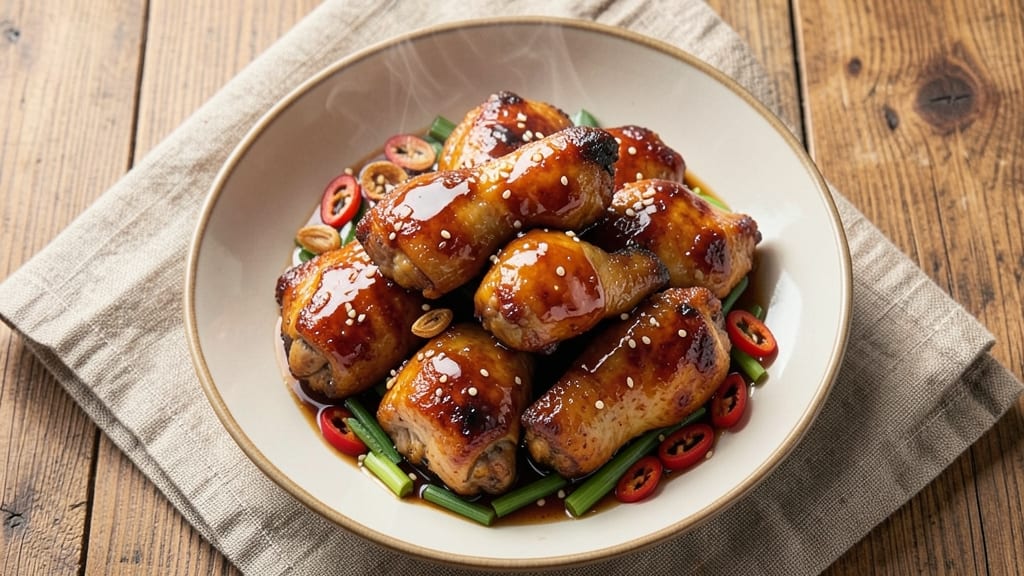
This Asian soy sauce chicken recipe delivers restaurant-quality flavor with a perfect balance of crispy bites and sticky, umami-rich glaze. The secret lies in marinating the chicken overnight, allowing the soy sauce to penetrate deeply while developing complex caramelized notes.
I’ve perfected this technique over years of testing, ensuring every bite is tender yet crispy at the edges—no dry, rubbery chicken here.
The recipe combines traditional wok-hei (breath of the wok) principles with modern shortcuts, so you get that signature smoky aroma without needing a specialized stove. Garlic, ginger, and sesame oil add depth, while a touch of honey balances the saltiness of the soy sauce.
This method works for stir-frying, grilling, or even air-frying, giving you flexibility for any cooking setup.
By the time you plate it, you’ll have golden-brown chicken pieces glistening with a glossy, caramelized glaze that clings to every bite. The aroma alone will have everyone gathered around the table, and the texture—crispy yet juicy—is impossible to resist.
Serve it over steamed jasmine rice or with quick-pickled vegetables for a complete meal.
Whether you're feeding a crowd or meal prepping for the week, this recipe scales effortlessly. The marinade doubles as a sauce, so you won’t waste a drop. Let’s get started—your taste buds (and dinner guests) will thank you.
Ingredients for asian soy sauce chicken
Fourteen ingredients to transform simple chicken into restaurant-style crispy bites with sticky glaze.
| Ingredient | Amount | Notes |
|---|---|---|
| Boneless, Skinless Chicken Thighs 🍗 | 1 ½ lb | Cut into 1-inch pieces for even cooking |
| Asian Soy Sauce 🍶 | ½ cup | Use light or dark soy sauce (Kikkoman preferred) |
| Honey 🍯 | 2 tbsp | Wildflower or clover for balanced sweetness |
| Sesame Oil 🫒 | 1 tbsp | Toasted sesame oil for authentic aroma |
| Garlic Cloves 🧄 | 6 cloves | Freshly minced for maximum flavor |
| Fresh Ginger 🌿 | 2 tbsp | Finely grated, no need to peel |
| Rice Vinegar 🍶 | 1 tbsp | White or seasoned rice vinegar |
| Cornstarch 🌾 | 1 tbsp | For crispy coating (Diamond Crystal preferred) |
| Neutral Oil 🫒 | 2 tbsp | Avocado or vegetable oil for high heat |
| Sesame Seeds 🌱 | 1 tbsp | Toasted for garnish and texture |
| Green Onions 🧅 | 3 whole | Thinly sliced for garnish and freshness |
| Salt 🧂 | 1 tsp | Kosher salt for seasoning |
| Black Pepper 🌶️ | ½ tsp | Freshly ground for heat |
| Jasmine Rice 🍚 | 1 ½ cups | Uncooked, for serving (optional) |
The chicken thighs are non-negotiable here—they stay juicy while developing crispy edges, unlike breasts which can dry out. Look for bone-in, skin-on thighs at Whole Foods or your local butcher for extra flavor, but boneless works in a pinch. The soy sauce is the heart of this dish, so Kikkoman or Lee Kum Kee are your best bets—avoid the 'cooking soy sauce' (it's way saltier). Fresh ginger and garlic? Buy them at an Asian market if possible—they're often fresher than the grocery store. Toast your sesame seeds in a dry pan for 30 seconds before using; it'll make all the difference in that final garnish.
No Asian soy sauce? Substitute with 3 tbsp regular soy sauce plus 1 tsp sugar, but you'll lose some depth. Short on honey? Maple syrup works 1:1, though it has a different flavor profile. Cornstarch can be swapped for arrowroot powder if you're avoiding gluten. The rice vinegar adds brightness—if you're out, apple cider vinegar at half the amount gets you close. For the oil, peanut oil has a higher smoke point than vegetable oil, making it ideal for high-heat stir-frying. And if you're feeling fancy, add a dash of white pepper to the marinade for a restaurant-quality touch.
This marinade keeps for up to 5 days in the fridge, so make extra—it doubles as a dipping sauce. The chicken pieces can be marinated overnight for maximum flavor, but even 30 minutes makes a difference. For crispy results, pat the chicken dry before coating with cornstarch—this is key for that perfect texture. Leftovers reheat beautifully in a skillet with a splash of water or air fryer. Store cooked chicken in an airtight container for 3 days, and the marinade sauce for 1 week. Freeze portions for 3 months—just thaw overnight in the fridge before reheating.
Why You'll Love This Recipe
- One-Pan Magic: I swear by this recipe when I’m too tired to scrub pots—just toss the chicken thighs, garlic, and sauce in one pan, cover it, and walk away. The sesame oil does all the work, turning the chicken into crispy, sticky perfection with zero fuss.
- Sweet-Savory Balance: That honey-soy glaze? It’s the kind of flavor that makes you pause mid-bite. The garlic cloves caramelize just enough to add depth, while the sesame oil gives it a nutty finish that’s addictive. (Yes, even on a Tuesday night.)
- Meal Prep MVP: Double the batch and store it for up to four days—it reheats beautifully for lunches or last-minute dinners. Honestly, I make this every Sunday because it’s the only protein I don’t dread pulling out of the fridge.
- Budget-Friendly Protein: Chicken thighs are cheaper than breasts, and this recipe stretches them further with the sticky sauce. Between us, I’ve fed four people for under $10 with leftovers that taste just as good cold the next day.
Step-by-step instructions for Asian soy sauce chicken
Let's create a dish where sweet glaze meets crispy perfection—this method delivers restaurant-quality results every time.
Prepare the Chicken for Maximum Crispiness
Cut the 1.5 lb boneless, skinless chicken thighs into 1-inch pieces for even cooking. Place them in a bowl and toss with 1 tsp salt, 0.5 tsp black pepper, and 1 tbsp cornstarch. The cornstarch creates a crispy coating that holds up beautifully to the glaze. Let the chicken sit for 10 minutes while you prepare the sauce—this resting time ensures the cornstarch adheres properly.
Here's the thing—don't skip the cornstarch. I've found that without it, the chicken absorbs too much of the sweet glaze and loses that satisfying crunch. The starch also helps thicken the sauce slightly as it cooks, creating a perfect balance between sticky and crispy.
Cook the Chicken Until Golden and Crispy
Heat 2 tbsp neutral oil in a large skillet over medium-high heat until shimmering. Add the seasoned chicken in a single layer, leaving space between pieces. Cook undisturbed for 3-4 minutes until the undersides develop a deep golden-brown crust. You'll see those beautiful caramelized edges—that's your signal to flip.
Flip the chicken and cook for another 3-4 minutes until golden brown on all sides. The pieces should be fully cooked through, with no pink remaining in the center. If you notice the oil smoking too much, reduce the heat slightly—you want crispy, not burnt. Remove the chicken and set it aside on a plate, leaving the rendered oil in the pan for the sauce.
Build the Umami-Packed Glaze
In the same skillet (with all that delicious chicken fat), add 6 cloves minced garlic and 2 tbsp finely grated fresh ginger. Cook for 30 seconds until fragrant—you should smell that aromatic punch of garlic and ginger. Add 0.5 cup Asian soy sauce and 1 tbsp rice vinegar, scraping up any browned bits from the bottom of the pan. This deglazing step captures all the chicken flavor.
Simmer the mixture for 2 minutes until it reduces by about half. Then stir in 2 tbsp honey and 1 tbsp sesame oil, letting it bubble gently. The sauce should coat the back of a spoon with a glossy sheen. If it's too thick, add 1-2 tablespoons of water to loosen it slightly. This glaze is the heart of the dish—sweet, salty, and packed with umami.
Finish the Chicken with the Glaze
Return the chicken to the skillet and toss everything together. Cook for 1-2 minutes until the chicken is fully coated in the glaze. The residual heat will help the sauce cling perfectly to each piece. Taste and adjust seasoning if needed—you might want to add a pinch more salt or a splash of rice vinegar for brightness.
Transfer the chicken to a serving platter and garnish with 1 tbsp toasted sesame seeds and 3 thinly sliced green onions. The sesame seeds add a nutty crunch, while the green onions bring freshness to cut through the richness. Serve immediately over 1.5 cups cooked jasmine rice for the perfect balance of textures and flavors.
Optional Rice Preparation
While the chicken cooks, prepare the 1.5 cups jasmine rice according to package instructions. I like to use a 1:1.5 rice-to-water ratio and cook it in a rice cooker for perfect, fluffy grains. The rice should be fully cooked and slightly sticky to hold up to the glazed chicken.
Real talk: if you're short on time, you can use leftover rice or even instant rice—just make sure it's hot when serving. The contrast between the warm, fragrant rice and the crispy, sticky chicken is what makes this dish so satisfying. Don't skip the rice; it's the foundation that ties everything together.
Pro Tips For Making Asian Soy Sauce Chicken
- CRANK THE HEAT FIRST: High heat sears the chicken fast—drop those thighs in a screaming-hot pan for 3-4 minutes per side before lowering to medium. I learned this the hard way after ending up with mushy edges instead of crispy, caramelized bites. The soy sauce needs something to cling to, and that starts with a proper sear.
- MINCE GARLIC LIKE YOU MEAN IT: Use a knife, not a press—finely minced garlic (almost paste-like) blends better and toasts more evenly in the oil. I used to crush it with the flat side of my knife, but now I do 20 quick chops per clove. This way, every bite gets that nutty, aromatic punch instead of just a few random flecks.
- STOP STIRRING MID-COOK: Let the sauce bubble undisturbed for 2-3 minutes after adding honey and soy sauce—this thickens it naturally without burning. I used to babysit the pan like a nervous parent, and half the time, the honey would scorch before the chicken cooked through. Patience here makes the sauce glossy, not gloopy.
- USE LESS SESAME OIL: A teaspoon at the end is enough—adding it earlier burns the delicate flavor. I was skeptical until I tried it: tossing the chicken in the finished sauce with just a splash of sesame oil at the very end gives that signature aroma without overpowering the dish. (Yes, even if you’re impatient like me.)
Serving suggestions for this dish
Rice Pairings
Jasmine rice is the classic choice here—its delicate floral notes complement the soy sauce glaze beautifully. Cook 1.5 cups uncooked jasmine rice with 2.25 cups water in a rice cooker for perfect fluffy grains.
For extra flavor, add a ½-inch slice of ginger to the cooking water while the rice steams. 🍚
Short on time? Use day-old rice—it absorbs the glaze better and adds a subtle chewy texture. If you prefer heartier grains, try brown rice or forbidden black rice for a nutty, earthy contrast to the sweet-salty chicken.
Vegetable Sides
Quick-pickled vegetables cut through the richness perfectly. Toss 2 cups shredded cabbage and 1 carrot (julienned) with 2 tbsp rice vinegar, 1 tsp sugar, and a pinch of salt. Let sit for 15 minutes before serving—this adds a refreshing crunch. 🥬
For a warm side, sauté 1 lb baby bok choy in 1 tbsp sesame oil with 2 minced garlic cloves for 3 minutes until wilted. The natural sweetness of bok choy enhances the chicken's umami flavors.
Protein Additions
Boost the meal with shredded rotisserie chicken or crispy tofu for extra protein. Stir-fry 1 block extra-firm tofu with 1 tbsp soy sauce and 1 tsp cornstarch until golden, then toss with the chicken before serving. 🍗
For a heartier plate, add ½ lb shrimp sautéed with 1 tsp chili flakes and 1 tbsp honey. The shrimp's sweetness mirrors the glaze while adding a seafood dimension.
Garnish Game-Changers
Toasted sesame seeds and green onions are non-negotiable for texture and freshness. For extra depth, sprinkle crushed peanuts or fried shallots on top—both add crunch and a nutty aroma. 🌱
Finish with a drizzle of chili oil or sriracha mayo for heat lovers. Mix 2 tbsp mayo with 1 tsp sriracha and a squeeze of lime for a creamy kick.
Dipping Sauces
Save the leftover marinade and reduce it with 1 tbsp honey and 1 tsp rice vinegar for a quick dipping sauce. Serve warm alongside the chicken for extra flavor without extra effort. 🍶
For a tangy option, blend ¼ cup Greek yogurt with 1 tbsp soy sauce, 1 tsp honey, and 1 tsp lime juice**. This cooling contrast balances the dish's richness perfectly.
Nutrition facts
Frequently asked questions
Can I use chicken breasts instead of thighs?
You can try, but thighs are ideal for this recipe. Chicken breasts cook faster and can dry out when exposed to high heat. If you must use breasts, cut them into ½-inch thick pieces and cook them for 2-3 minutes per side over medium heat to prevent drying. For extra juiciness, marinate them for 1 extra hour and add 1 tbsp water to the pan when glazing.
How can I make this recipe gluten-free?
Replace the soy sauce with tamari or coconut aminos (use ⅓ cup instead of ½ cup since they're less salty). For the cornstarch coating, swap it for arrowroot powder or gluten-free flour mixed with 1 tbsp water to create a paste. Test the marinade on a small piece of chicken first to adjust seasoning—coconut aminos are milder.
What's the best way to reheat leftovers?
For crispy results, reheat in an air fryer at 375°F for 3-4 minutes or in a skillet over medium heat with 1 tbsp neutral oil for 2-3 minutes, adding 1 tsp water to restore moisture. Microwaving works in a pinch (45 seconds), but it'll make the chicken soggy. Store leftovers in an airtight container for up to 3 days.
Can I make this in a slow cooker?
Yes, but with adjustments. Marinate the chicken as directed, then place it in the slow cooker with ¼ cup soy sauce, 1 tbsp honey, 1 tbsp rice vinegar, and 1 tsp cornstarch mixed with 2 tbsp water. Cook on low for 3-4 hours or high for 1.5-2 hours. The chicken will be tender but less crispy. For extra flavor, finish by pan-searing for 2 minutes to caramelize the edges.
Why is my glaze too salty?
Most likely, you used regular soy sauce instead of Asian soy sauce (which is less salty). For future batches, use ½ cup Asian soy sauce or reduce regular soy sauce to ¼ cup and add 1 tsp sugar to balance. If it's already cooked, dilute with 1-2 tbsp water or add 1 tsp honey and 1 tsp rice vinegar to mellow the saltiness. Taste as you go—adjust gradually!