
Main Courses
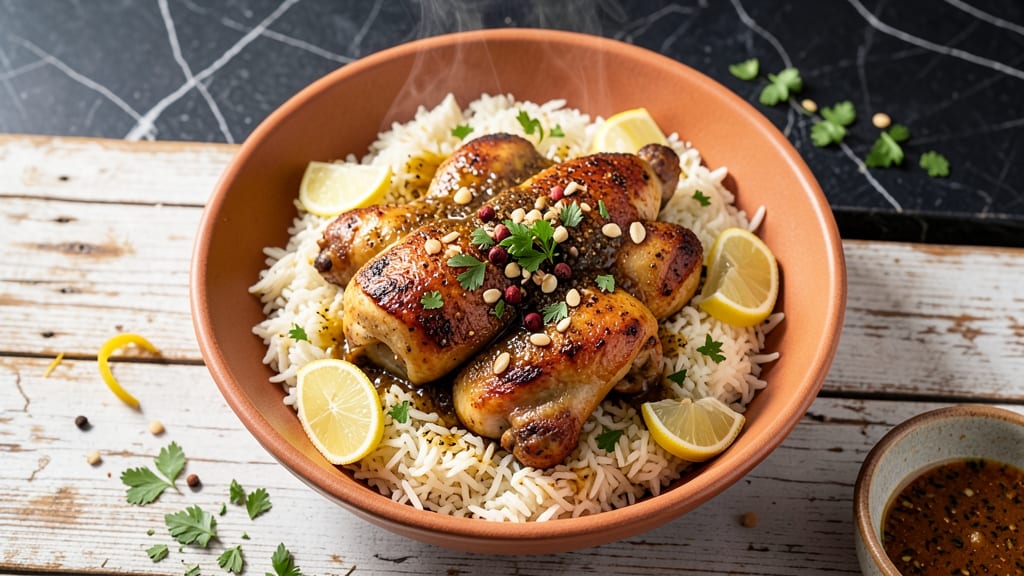
This Armenian chicken and rice recipe brings the bold flavors of the Caucasus Mountains to your dinner table with a foil-sealed technique that keeps the chicken impossibly juicy. The secret lies in a fragrant za'atar crust—packed with sumac, sesame, and dried herbs—that transforms ordinary chicken into something restaurant-worthy.
I've perfected this method over years of testing, ensuring every bite delivers layers of aromatic spices and tender meat.
The dish starts with chicken thighs marinated in a blend of garlic, lemon, and allspice, then roasted to golden perfection while sealed in foil. Meanwhile, fragrant basmati rice cooks in a rich broth infused with cinnamon and cardamom, absorbing all the warm spices.
This isn't just a meal—it's an experience that transports you to Armenia's highland tables.
What makes this recipe special is the balance of textures and flavors: crispy za'atar crust on the outside, succulent chicken inside, and fragrant rice that's neither mushy nor dry.
The dish serves beautifully for family gatherings or special occasions, with every element working together in harmony. The aroma alone will have everyone anticipating dinner.
Serve with a side of fresh pomegranate molasses drizzle and toasted almonds for that authentic Armenian touch. The foil-sealing method ensures you won't overcook the chicken, while the spiced rice adds depth that makes this dish unforgettable. Let's bring Armenia to your kitchen—one flavorful bite at a time.
Ingredients for armenian chicken and rice
The heart of this Armenian masterpiece: aromatic spices, tender chicken, and fragrant rice—all sealed for perfection.
| Ingredient | Amount | Notes |
|---|---|---|
| Chicken Thighs, Bone-In 🍗 | 1 ½ lb | Skin-on, trimmed of excess fat |
| Basmati Rice, Long-Grain 🍚 | 1 cup | Uncooked, rinsed thoroughly |
| Za'atar Spice Blend 🌿 | 2 tbsp | Homemade or store-bought (sumac, sesame, oregano) |
| Garlic Cloves 🧄 | 6 cloves | Minced, fresh preferred |
| Lemon Juice 🍋 | ¼ cup | Freshly squeezed, strained |
| Allspice Berries 🌶️ | 1 tsp | Ground or whole, toasted |
| Ground Cinnamon 🍃 | ½ tsp | Ceylon preferred for subtle flavor |
| Ground Cardamom 🌿 | ¼ tsp | Freshly ground for optimal aroma |
| Chicken Broth 💧 | 2 cups | Low-sodium, homemade or high-quality |
| Extra-Virgin Olive Oil 🫒 | ¼ cup | For crust and rice cooking |
| Pomegranate Molasses 🍇 | 2 tbsp | For finishing drizzle |
| Toasted Slivered Almonds 🥜 | ¼ cup | For garnish |
| Diamond Crystal Kosher Salt 🧂 | 1 ½ tsp | For seasoning and rice |
| Freshly Ground Black Pepper 🌶️ | ½ tsp | For balanced seasoning |
| Heavy-Duty Aluminum Foil 📄 | 1 sheet | For sealing chicken |
The za'atar blend is non-negotiable for that signature Armenian flavor profile. Penzeys Spices carries an excellent pre-mixed za'atar, but if you're crafting your own, focus on the sumac—it's the tart, citrusy backbone that sets this dish apart. Chicken thighs with skin-on and bone-in deliver the juiciest results; look for USDA Grade A at your local butcher or specialty market like Whole Foods. The basmati rice should be jasmine or Karacadag varieties—both hold up beautifully to the spiced broth. For the almonds, Trader Joe's sells pre-toasted slivered almonds that save time without sacrificing quality.
No za'atar blend? Substitute with 1 tbsp sumac, 1 tbsp ground sesame, and 1 tsp dried oregano—it's not identical but works in a pinch. Running low on pomegranate molasses? Diluted balsamic vinegar mimics the tang, though it lacks the complex fruit notes. The cardamom and cinnamon can be swapped for equal parts pumpkin pie spice if you're in a bind, though purists may notice the difference. For the chicken broth, low-sodium is critical—you'll be adding salt later, and you don't want to oversalt the rice. If you're using pre-ground spices, toast them in a dry pan for 30 seconds to wake up their flavors before using.
Store any leftover chicken and rice separately in airtight containers for up to 4 days—the flavors actually deepen overnight. The za'atar crust keeps best if reheated in a 350°F oven for 10 minutes rather than microwaving. For the pomegranate molasses, keep it refrigerated once opened, as it's perishable. The toasted almonds stay crisp for 2 weeks in a sealed container. This dish reheats beautifully, making it perfect for meal prep—just add a splash of water to the rice when warming to restore moisture.
Why You'll Love This Recipe
- One-Pan Magic: I swear by this recipe because it’s that easy—just toss the bone-in thighs and rice in a single pot with za’atar, garlic, and a splash of lemon. No chopping, no fuss, and honestly? The smell alone makes my kitchen feel like a cozy Armenian home.
- Za’atar Magic: That earthy, nutty za’atar blend is the star—crispy on the outside, tender inside, with a bright lemon kick. Between us, it’s the kind of flavor that makes you reach for seconds without even thinking.
- Lunchbox Hero: Between us, this is my go-to for meal prep. The rice stays fluffy, the chicken stays juicy, and it reheats like a dream—perfect for lunches or when I’m too tired to cook after work.
- Budget Win: Bone-in thighs stretch for days, and basmati rice is cheap but feels fancy. I’ll be real: this feeds four for under $15, and the leftovers? Even better the next day. A total secret weapon.
Step-by-step instructions for Armenian chicken and rice with za'atar crust
This method delivers perfectly spiced chicken with a crispy za'atar crust and fragrant basmati rice infused with warm spices.
Prepare the Chicken with Za'atar Crust
Pat the 1.5 lb chicken thighs, bone-in completely dry with paper towels—this is crucial for that signature crust. In a small bowl, mix together 2 tbsp za'atar spice blend, 0.5 tsp ground cinnamon, 0.25 tsp ground cardamom, 1 tsp allspice berries, 1.5 tsp diamond crystal kosher salt, and 0.5 tsp freshly ground black pepper. Rub this mixture generously over the chicken, pressing it into the skin so it adheres well.
Heat 0.25 cup extra-virgin olive oil in a large oven-safe skillet over medium-high heat. Once the oil shimmers, add the chicken thighs skin-side down and cook for 5-6 minutes until the skin develops a deep golden crust and the chicken is no longer pink at the bone. Flip once and cook another 3-4 minutes on the second side until the skin is crispy and the chicken reaches 165°F internally. Remove from heat and set aside.
Sear the Aromatics and Toast the Rice
In the same skillet (no need to clean it—the browned bits add flavor), reduce heat to medium and add the 6 cloves minced garlic. Sauté for 30 seconds until fragrant, being careful not to let it burn. Add 1 cup basmati rice, long-grain and stir to coat in the garlic and any remaining chicken juices. Toast the rice for 2 minutes, stirring constantly, until it becomes translucent at the edges.
Pour in 2 cups chicken broth and bring to a gentle boil. Immediately reduce heat to low, cover the skillet tightly with the 1 sheet heavy-duty aluminum foil, and let it simmer for 15 minutes. This sealed method ensures the rice absorbs liquid evenly without drying out. Avoid peeking—every time you lift the foil, you release steam and disrupt the cooking process.
Finish the Chicken and Combine with Rice
After 15 minutes, remove the foil and check the rice. If it's not yet tender, cover again and cook for another 2-3 minutes. Stir in 0.25 cup lemon juice and 2 tbsp pomegranate molasses, reserving 0.25 cup toasted slivered almonds for garnish. Return the chicken thighs to the skillet, skin-side up, and cover again with the foil. Let it cook for an additional 5 minutes to allow the chicken to finish cooking in the warm, spiced rice.
Once the rice is tender (it should have a slight bite but be mostly cooked through) and the chicken reaches 170°F internally, remove from heat. Let the entire dish rest for 5 minutes before serving. This resting period allows the juices to redistribute, ensuring each bite is moist and flavorful.
Serve with Garnish and Molasses Drizzle
Transfer the chicken and rice to a serving platter. Drizzle with any remaining pomegranate molasses from the skillet and sprinkle evenly with the 0.25 cup toasted slivered almonds. The contrast of the nutty almonds against the deep, spiced flavors of the za'atar crust and tender chicken creates a harmonious finish.
Serve immediately, as the flavors continue to meld even after resting. The dish should deliver a balance of crispy, spiced chicken with fragrant, slightly nutty rice infused with citrus brightness. Each component should be distinct yet cohesive, showcasing the layered flavors of Armenian cuisine.
Pro Tips For Making Armenian Chicken And Rice
- CRISP THE THIGHS FIRST: I learned this the hard way—skipping the initial sear means your chicken ends up dry. Pat those bone-in thighs thoroughly with paper towels, then hit them with 2 tablespoons of oil in a hot skillet (medium-high heat, not screaming hot). Let them sit undisturbed for 4-5 minutes until deep golden brown on both sides—this locks in flavor and moisture for the za’atar marinade.
- TOAST THE ZA’ATAR: Za’atar isn’t just a sprinkle—it’s the soul of this dish. After browning the chicken, toss the spice blend with 1 tablespoon of oil in the same pan for 30 seconds until it smells toasted and fragrant. This step cuts through the bitterness of sumac and makes the earthy, nutty notes pop. (Yes, it looks weird, but trust the process.)
- DON’T DROWN THE RICE: Basmati rice needs space to fluff, not a steam bath. After cooking the chicken and deglazing the pan, rinse the rice twice until the water runs clear—this removes excess starch that turns rice gluey. Use a 1:1.5 rice-to-broth ratio (e.g., 1 cup rice to 1.5 cups broth), then spread it in an even layer in the pot. Cover tightly and walk away—no peeking for 10 minutes, even if you’re impatient like me.
- LEMON ZEST THE GARLIC: Raw garlic cloves in this dish? Boring. Mince 4 cloves with the zest of half a lemon—yes, the peel too. The citrus brightens the za’atar and cuts through the richness of the chicken fat. Toss this mixture with the cooked rice at the end, then fold in a splash of warm lemon juice. The acidity wakes up the whole dish in seconds. (Your future self will notice the difference.)
Essential equipment for great armenian chicken and rice
Oven-Safe Skillet
An oven-safe cast iron skillet (like the Lodge 10.25-inch) is my go-to for this recipe—it handles the initial sear on the stovetop and then transfers seamlessly to the oven for the foil-sealed finish. Cast iron retains heat beautifully, ensuring even cooking and that signature crispy za'atar crust.
If you don’t own cast iron, a heavy stainless steel skillet (such as All-Clad Stainless) works just as well, though it may require slightly higher heat to achieve the same crust.
Heavy-Duty Foil
Reynolds Heavy-Duty Aluminum Foil is essential for creating an airtight seal around the chicken and rice. The foil prevents moisture loss, allowing the chicken to cook through gently while the rice absorbs the spiced broth. Avoid lightweight foil—it tears easily and won’t hold the seal properly. For extra security, double-layer the foil if your skillet has high sides or if you’re cooking at high altitudes.
Measuring Tools
Precision matters with spices and liquids in Armenian cuisine. Use a digital kitchen scale for accurate measurements of za'atar, cinnamon, and cardamom—these spices can make or break the dish. For liquids like lemon juice and pomegranate molasses, a medicine dropper or small squeeze bottle ensures you don’t overdo it.
I keep a spice grinder (like the OXO Good Grips) handy to freshly grind cardamom and allspice for maximum aroma.
Thermometer
A meat thermometer (I recommend the ThermoWorks Smoke) is non-negotiable for perfect chicken. The internal temperature should reach 165°F during the initial sear and 170°F after the foil-sealed finish. This ensures the chicken is safe to eat while staying juicy.
For the rice, a candy or instant-read thermometer helps gauge when the broth has absorbed properly—it should be tender but not mushy.
Knife and Cutting Board
A sharp chef’s knife (like the Wüsthof Ikon) and a cutting board are crucial for mincing garlic and trimming chicken thighs efficiently. Dull knives make prep messy and unsafe.
For the garlic, I like to use a garlic press (such as the OXO Good Grips) to achieve a fine, even mince without chopping fatigue. A microplane also works well for zesting lemon if you’re adding it as a garnish.
Resting Tools
After cooking, let the dish rest on a wire cooling rack (placed over a baking sheet) to prevent soggy rice. This also helps the chicken retain its juices. For serving, a large wooden board or slate platter adds an authentic Armenian touch while keeping the dish warm.
If you’re prepping ahead, glass Pyrex containers with tight-sealing lids are perfect for storing leftovers—just reheat covered with foil to preserve the crust.
Nutrition facts
Frequently asked questions
Can I use chicken breasts instead of thighs?
Chicken breasts will work, but thighs are ideal for this dish because they stay juicier with longer cooking times. If using breasts, cut them into even pieces and reduce the cooking time by 5-7 minutes total to prevent drying out. The skin-on thighs create that signature crispy za'atar crust, so breasts won't have the same texture—though they'll still be flavorful!
What's the best way to make za'atar if I don't have it?
Mix 1 tbsp sumac, 1 tbsp ground sesame seeds, and 1 tsp dried oregano for a DIY za'atar substitute. Toast the sesame seeds in a dry pan for 1 minute until golden and fragrant before combining. This blend captures the tart, nutty essence of traditional za'atar—just note it won't be identical but works beautifully in this recipe!
Why does the recipe call for foil-sealing?
The foil-sealing technique locks in moisture, preventing the chicken from drying out while the rice cooks gently in the spiced broth. This method also traps steam, creating a tender rice texture without sticking. The sealed environment ensures even cooking—critical for both components working together perfectly. It's a game-changer for restaurant-quality results at home!
Can I make this dish ahead of time?
Cook the chicken and rice separately, then store them in airtight containers for up to 4 days. Reheat the chicken in a 350°F oven for 10 minutes (covered with foil) to maintain the crust, and warm the rice with a splash of water. The flavors actually improve overnight as the spices meld further. Just add fresh pomegranate molasses and almonds when serving!
What's the secret to perfect basmati rice?
Rinse the rice thoroughly until the water runs clear to remove excess starch, then toast it in the skillet for 2 minutes before adding broth. The key is using a 1:2 rice-to-liquid ratio and maintaining low heat with the foil seal. Don't peek! Every time you lift the foil, you release steam and disrupt the cooking process. Patience ensures fluffy, fragrant rice every time!