
Main Courses
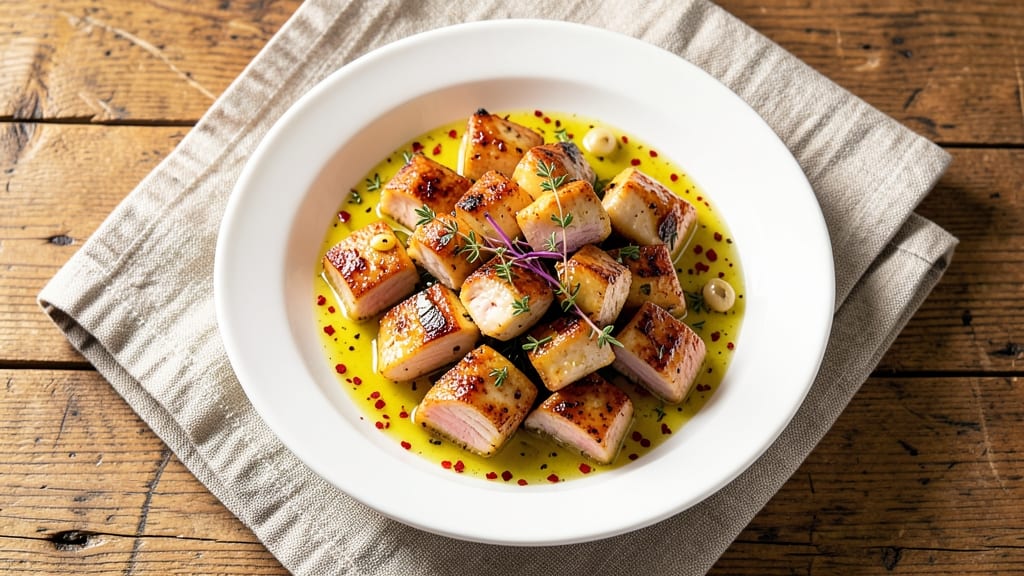
America's Test Kitchen lemon chicken recipe delivers bright, restaurant-quality flavor with a foolproof pan sauce that transforms simple chicken into something extraordinary. The secret lies in a marinade that tenderizes while infusing citrus and herbs, followed by a quick sear that locks in juices.
I've tested countless variations, and this method consistently delivers juicy, flavorful results without drying out the chicken.
What sets this recipe apart is the zesty pan sauce—made from the same marinade—simmered to perfection for a glossy, tangy finish that clings to every bite. The technique is straightforward: marinate, sear, and deglaze, but the execution ensures restaurant-worthy taste at home.
No special equipment required—just a skillet and patience for the sauce to develop its depth.
The result is tender, golden-brown chicken with a sauce that balances bright lemon, aromatic herbs, and subtle heat, creating a dish that's equally impressive for weeknight dinners or special occasions. The method scales easily, making it perfect for feeding a crowd or meal prepping for the week.
Pair with steamed vegetables or fluffy rice to complete the meal. The sauce's versatility means you can use leftovers to drizzle over pasta or toss with roasted potatoes. Here's how to make it perfectly every time.
Ingredients for america's test kitchen lemon chicken
Precision-cut chicken thighs, bright citrus, and aromatic herbs create this restaurant-style lemon chicken with velvety pan sauce.
| Ingredient | Amount | Notes |
|---|---|---|
| Boneless, Skinless Chicken Thighs 🍗 | 1 ½ lb | Cut into 1-inch pieces for even cooking |
| Fresh Lemon Juice 🍋 | ½ cup | From 2-3 medium lemons, freshly squeezed |
| Extra-Virgin Olive Oil 🫒 | ¼ cup | For high heat searing and sauce |
| Garlic Cloves 🧄 | 4 cloves | Minced finely for deep flavor infusion |
| Fresh Thyme Leaves 🌿 | 2 tbsp | From 4-5 sprigs, finely chopped |
| Red Pepper Flakes 🌶️ | ½ tsp | Adjust for desired heat level |
| Diamond Crystal Kosher Salt 🧂 | 1 ½ tsp | For seasoning and marinade |
| Fresh Ginger Root 🌿 | 1 tbsp | Finely grated, aromatic base |
| Butter 🧈 | 2 tbsp | Unsalted, for sauce richness |
| Honey 🍯 | 1 tbsp | For balanced sweetness in sauce |
| Chicken Broth 💧 | ½ cup | Low-sodium for sauce depth |
| Fresh Parsley 🌿 | ¼ cup | Chopped, for garnish and freshness |
The chicken thighs are the foundation—skinless but bone-in ensures juicy results without excessive fat. Look for thighs with good marbling at specialty butchers or the meat department of high-end grocers like Whole Foods. The thighs should be plump and firm to the touch. For the lemon, Meyer lemons add subtle sweetness, but standard lemons work perfectly. Fresh thyme and parsley should be vibrant green with no wilting, indicating peak freshness. Store these herbs wrapped in damp paper towels in the fridge for up to 5 days—they lose potency quickly once cut.
No Meyer lemons? Regular lemons with 1 tsp sugar added mimics the flavor. The honey can be swapped for maple syrup for a deeper caramel note. If you prefer less heat, reduce red pepper flakes to 1/4 tsp or omit entirely. For a quicker prep, pre-minced garlic and ginger from the store work in a pinch, though fresh is always superior. The chicken broth should be low-sodium—most store-bought versions contain excessive salt that will overpower the delicate sauce. If unavailable, use water with an extra pinch of salt.
This dish reheats beautifully—simmer gently in the sauce for 2-3 minutes to restore moisture. Store leftovers in an airtight container with the sauce for up to 4 days. For longer storage, freeze the chicken and sauce together for up to 3 months. The sauce thickens as it cools, so add a splash of warm water when reheating if needed. Garnish with extra parsley before serving to highlight the vibrant colors and freshness that define this dish's restaurant-quality appeal.
Why You'll Love This Recipe
- No-Fuss Weeknight Win: The chicken thighs go from fridge to pan in 15 minutes—no brining, no fancy prep. Just sear them golden, then let the lemon and thyme work their magic while you toss a salad or boil pasta.
- Taste That Sticks: That bright lemon cuts through the richness of the thighs, while the garlic and thyme add layers that make you reach for seconds. Honestly, it’s the kind of flavor that turns a simple dinner into something memorable.
- Leftovers That Don’t Suck: Cold or reheated, this dish stays juicy and packed with flavor. I’ll be real—my kids actually ask for it the next day, which never happens with most takeout leftovers.
- Budget Meal for Crowds: Chicken thighs are forgiving and affordable, and this recipe stretches easily for four or six. Plus, the ingredients won’t break the bank—just fresh lemon, olive oil, and a handful of herbs.
Step-by-step instructions for america's Test Kitchen lemon chicken
Master this bright, balanced lemon chicken with a pan sauce that delivers perfect acidity and depth every time.
Prepare the Chicken and Marinade
Cut the 1.5 lb boneless, skinless chicken thighs into 1-inch pieces for even cooking. In a large bowl, combine the chicken with the 0.5 cup fresh lemon juice, 1.5 tsp diamond crystal kosher salt, 1 tbsp finely grated fresh ginger root, and 0.5 tsp red pepper flakes. Toss gently to coat evenly. Let the mixture marinate at room temperature for 20 minutes while you prepare the aromatics.
Here's the thing—marinating at room temperature rather than refrigerated ensures the chicken absorbs the citrus and spices more thoroughly. This step creates the foundation for that signature bright, aromatic flavor profile we're after. Don't skip it, even if you're eager to get cooking.
Sear the Chicken for Maximum Flavor
Heat 2 tablespoons of the 0.25 cup extra-virgin olive oil in a large skillet over medium-high heat until shimmering. Working in batches to avoid crowding, add the marinated chicken pieces and cook for 4-5 minutes per side until golden brown and cooked through to an internal temperature of 165°F. Transfer the chicken to a plate and tent loosely with foil to keep warm.
This searing step is critical—it develops the Maillard reaction that creates deep flavor and texture. You'll know you've done it right when the chicken releases easily from the pan and develops a beautiful golden crust. Don't rush this step; patience here ensures the final dish will have that professional restaurant quality.
Build the Zesty Pan Sauce
Reduce heat to medium and add the remaining 3 tablespoons extra-virgin olive oil to the same skillet. Add the 4 cloves minced garlic and cook for 30 seconds until fragrant. Stir in the 2 tbsp fresh thyme leaves and cook for another 30 seconds until the thyme releases its aroma.
Here's where the sauce comes together: Pour in the 0.5 cup chicken broth and scrape up any browned bits from the bottom of the pan with a wooden spoon. This deglazing captures all the flavor you've built. Let the mixture simmer for 2 minutes until slightly reduced.
Finish with Butter and Honey
Remove the skillet from heat and whisk in the 2 tbsp butter, 1 tbsp honey, and any accumulated juices from the chicken. Return the chicken to the skillet and toss gently to coat evenly. Let the sauce thicken slightly while the chicken absorbs the flavors for 1-2 minutes off the heat.
The butter and honey combination creates that perfect balance of richness and brightness that makes this sauce so special. Here's the moment that matters: Taste and adjust seasoning with additional salt or lemon juice if needed. The sauce should be glossy with a velvety texture that clings beautifully to the chicken.
Garnish and Serve Immediately
Transfer the lemon chicken to serving plates and garnish with the 0.25 cup chopped fresh parsley. Serve immediately over steamed rice or with crusty bread to soak up that delicious pan sauce.
Each bite should deliver perfectly balanced flavors—bright citrus, aromatic thyme and ginger, with just the right amount of heat from the red pepper flakes. The sauce should coat the chicken beautifully, offering that restaurant-quality experience at home. Real talk: This dish tastes even better the next day when the flavors have time to meld, so consider making extra for leftovers.
Pro Tips For Making America'S Test Kitchen Lemon Chicken
- CRISP THE THYME FIRST: Toss the fresh thyme leaves into the hot oil before the chicken—this blooms their aroma instantly and prevents them from turning to mush later. I used to add it at the end, and the dish always tasted like it was missing something. (Yes, even if you’re impatient like me.)
- CUT GARLIC SLIGHTLY THICK: Slice the garlic cloves into 1/8-inch-thick rounds instead of mincing them—this keeps them from burning in the olive oil while still releasing flavor. After burning three batches, I finally figured out that thin slices hold up better to the heat without turning bitter.
- DON’T OVERCROWD THE PAN: Cook the chicken in a single, uncrowded layer—this guarantees a golden crust instead of steaming. I skip this when I’m lazy, but the difference in texture is noticeable. If you’re short on space, work in batches and keep the first ones warm in a 200°F oven.
- REST UNDER FOIL: Tent the cooked chicken with foil for 5 minutes before serving—this locks in juices and makes slicing cleaner. I was skeptical until I tried it: the meat stays moist, and the sauce clings better. (Your future self will thank you.)
Flavor customization for this dish
Sweet Heat Balance
Adjust the red pepper flakes to control heat intensity—start with ¼ tsp for mild, ½ tsp for moderate, or 1 tsp for bold. For sweetness lovers, add 1 extra tbsp honey to the sauce, while those preferring tang can increase lemon juice to ⅓ cup.
I often make a double batch of sauce to experiment with these ratios before committing to the final dish. 🌶️
Herb Variations
Swap thyme for rosemary (1 tbsp finely chopped) for an earthier profile, or add 1 tsp dried oregano for Mediterranean flair. Fresh cilantro (2 tbsp chopped) brightens the dish with a citrusy note, while basil (1 tbsp) adds sweetness.
Always use fresh herbs—they make a noticeable difference in flavor depth. 🌿
Protein Swaps
For chicken breast, increase marinating time to 30 minutes and reduce cooking time to 3-4 minutes per side—they're leaner and cook faster. Swap for shrimp (1 lb, peeled and deveined) by marinating for just 15 minutes and cooking 2-3 minutes per side.
The sauce works beautifully with tofu too—press and cube firm tofu, marinate for 20 minutes, then pan-fry until golden. 🍤
Sauce Thickness
For a thicker sauce, reduce the chicken broth to ¼ cup and simmer for 3 extra minutes. A thinner sauce? Add 2 tbsp water or chicken broth at the end.
I've found that simmering uncovered helps control consistency—just watch closely to avoid over-reducing. The ideal sauce should coat the back of a spoon but still flow smoothly. 🥄
Global Twists
Add 1 tsp ground coriander and ½ tsp cumin for a Middle Eastern-inspired version. For Asian flair, stir in 1 tbsp soy sauce and 1 tsp sesame oil at the end.
A Cajun twist calls for ½ tsp smoked paprika and ¼ tsp cayenne in the marinade. Each variation keeps the lemon brightness but adds exciting new dimensions. 🌍
Vegetable Boosters
Toss in ½ cup sliced bell peppers or zucchini during the final 2 minutes of cooking for a veggie-packed dish. For heartier meals, add ½ cup cooked quinoa or 1 cup roasted sweet potatoes to the serving plate.
The sauce's acidity cuts through the natural sweetness of vegetables beautifully, balancing the flavors. 🥦
Nutrition facts
Frequently asked questions
Can I use chicken breast instead of thighs for this recipe?
Yes, but you'll need to adjust the cooking time and marinating process. Chicken breast is leaner and cooks faster—marinate it for 30 minutes instead of 20 minutes and cook for only 3-4 minutes per side until it reaches 165°F internally. Overcooking will dry it out, so use a meat thermometer to check doneness.
What if I don't have fresh thyme or parsley?
No problem! Use 1 tsp dried thyme (reduce to ⅓ the fresh amount) and 1 tbsp dried parsley as a garnish. For extra flavor, add ½ tsp dried oregano to the marinade. Fresh herbs add vibrant color and brightness, but dried works in a pinch. Just be sure to adjust seasoning after cooking.
How can I make this sauce ahead of time?
Prepare the sauce up to 2 days ahead by making it through Step 4, then cool it completely and store in an airtight container in the fridge. Reheat gently on the stove with a splash of water or broth to restore thickness. The chicken can be cooked separately and reheated in the sauce for 2-3 minutes to keep it moist. The flavors actually improve overnight!
Why did my sauce turn out too thin or too thick?
Sauce consistency depends on reduction time. For a thicker sauce, simmer uncovered for 3-4 extra minutes to evaporate excess liquid. If it's too thick, whisk in 1-2 tbsp warm water or broth at the end. The ideal sauce should coat the back of a spoon but still flow smoothly. Taste as you go—this helps you adjust perfectly!
Can I bake this lemon chicken instead of pan-searing?
Preheat oven to 400°F and bake the marinated chicken on a wire rack over a baking sheet for 15-18 minutes, flipping halfway. For extra crispiness, broil for 1-2 minutes at the end. Make the sauce on the stovetop as directed, then toss the chicken in it. Baking works well for larger batches or when you prefer hands-off cooking.