
Main Courses
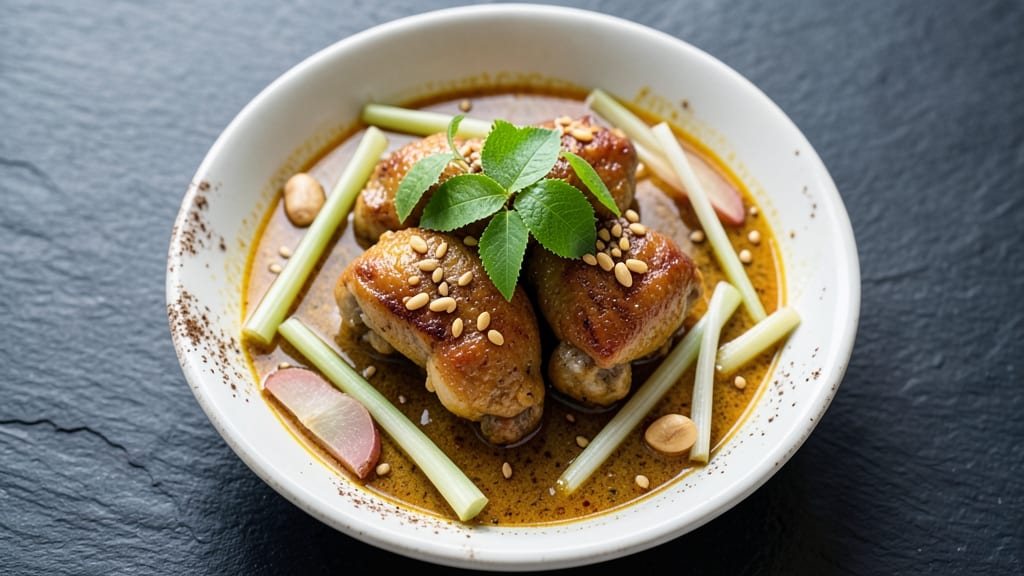
This Balinese chicken curry recipe brings the aromatic essence of Indonesia's island culture to your kitchen with its signature blend of fragrant lemongrass and golden turmeric. The secret lies in the layered spices—galangal, kaffir lime leaves, and candlenuts—that create a complex, earthy-sweet flavor profile that's both comforting and vibrant.
I've perfected this version to balance traditional authenticity with approachable techniques, so you can achieve restaurant-quality results without specialized ingredients.
The cooking process begins with a fragrant paste of fresh herbs and spices, which infuses the chicken as it simmers in a rich coconut milk base. This method ensures tender meat and a sauce that's velvety yet packed with bright, citrusy notes from the lime leaves and lemongrass.
What makes this curry truly special is how the spices develop depth over time—each bite delivers a harmonious blend of heat, sweetness, and herbal complexity that lingers on the palate.
By the time you serve this dish, you'll have golden-brown chicken pieces swimming in a fragrant, slightly spicy coconut curry that pairs beautifully with steamed jasmine rice.
The aroma alone transforms any meal into an experience, while the balance of textures—tender chicken, creamy sauce, and slightly crisp vegetables—makes every bite satisfying. This recipe serves as both a cultural journey and a weeknight solution that feels equally impressive.
For those new to Balinese flavors, I've included substitutions for harder-to-find ingredients like candlenuts and galangal, ensuring this curry remains accessible. The result is a dish that honors tradition while adapting to modern kitchens, delivering the same soulful flavors that make Balinese cuisine so beloved.
Let's create this aromatic masterpiece together.
Ingredients for balinese chicken curry
Fragrant lemongrass, golden turmeric, and earthy galangal—just 17 ingredients for a curry that tastes like Bali.
| Ingredient | Amount | Notes |
|---|---|---|
| Boneless Chicken Thighs 🍗 | 1 ½ lb | Skin-on for best flavor |
| Fresh Lemongrass Stalks 🌿 | 4 whole | Bruised to release oils |
| Galangal Root 🧅 | 2 inches | Peeled, sliced thin (substitute ginger if needed) |
| Kaffir Lime Leaves 🍋 | 4 whole | Fresh, torn into strips |
| Candlenuts 🥜 | 10 whole | Toasted, ground (substitute macadamia nuts) |
| Turmeric Powder 🌶️ | 1 tbsp | Freshly ground preferred |
| Coriander Seeds 🌿 | 1 tbsp | Toasted for aroma |
| Cumin Seeds 🌶️ | 1 tsp | Toasted lightly |
| Shallots 🧅 | 3 whole | Minced finely |
| Garlic Cloves 🧄 | 6 cloves | Peeled, rough chopped |
| Coconut Milk 🥥 | 1 can | Full-fat, 13.5 oz |
| Tomato Paste 🍅 | 2 tbsp | Smooth, not chunky |
| Fish Sauce 🍶 | 1 tbsp | Red Boat preferred |
| Brown Sugar 🍚 | 2 tbsp | Packed lightly |
| Vegetable Oil 🫒 | 2 tbsp | For frying chicken |
| Salt 🧂 | 1 ½ tsp | Kosher or sea salt |
| Black Pepper 🌶️ | ½ tsp | Freshly ground |
The galangal and candlenuts are your flavor anchors. Galangal tastes like a cross between ginger and citrus—if you can't find it, ginger at half the amount works, though it won't be identical. Candlenuts are pricey, but toasted macadamia nuts mimic their buttery richness. For galangal, look for fresh roots at Asian markets—they should smell sharp and citrusy. If using dried galangal, soak it in warm water for 10 minutes first. The kaffir lime leaves? Freeze extras in a bag—they'll keep for months and add instant authenticity when thawed.
No lemongrass? Substitute 1 tbsp lime zest plus 1 tsp lime juice, but you'll lose that signature grassy depth. Short on coconut milk? Mix equal parts light and full-fat for better texture. The fish sauce adds umami—if you're avoiding it, soy sauce plus a pinch of sugar gets you close. For the chicken, thighs with skin stay juicier than breasts. Pat them dry before cooking so they brown properly. The tomato paste? Trader Joe's squeeze tubes are perfect—no waste, and they keep for ages. Toast your coriander and cumin seeds in a dry pan for 30 seconds—they'll perfume the whole dish.
This curry tastes even better the next day as flavors meld. Store in an airtight container for 4-5 days in the fridge, or freeze for 3 months (portion into containers first). Reheat gently with a splash of water or coconut milk to restore creaminess. The lemongrass and lime leaves can be frozen separately—just toss them in the sauce at the end of reheating. For extra convenience, make a double batch and freeze half. The spices? Keep in a cool, dark place for up to 6 months—they lose potency fast once opened.
Why You'll Love This Recipe
- One-Pot Magic: I swear by this recipe—just toss everything into a single pot, let it simmer, and walk away. No fussing with multiple pans or complicated steps, and the lemongrass and galangal do all the heavy lifting while you sip your coffee.
- Flavor Bomb: That first bite? It’s like a citrusy, spicy hug in your mouth. The candlenuts add this nutty depth, while the kaffir lime leaves bring a bright, almost floral lift—no heavy cream or dairy needed, just pure, complex taste.
- Leftovers That Shine: Honestly, I almost always make double. The curry only gets better the next day as the flavors meld, and it reheats like a dream. Pack it for lunch or freeze portions—it’s my go-to for lazy mornings.
- Budget-Friendly Luxury: Chicken thighs are cheap, and you can use smaller amounts of the aromatic ingredients (like a single stalk of lemongrass) without sacrificing flavor. It feels fancy, but the grocery bill stays friendly—plus, the leftovers stretch forever.
Step-by-step instructions for Balinese chicken curry
Let's build this aromatic curry layer by layer—where fragrant spices meet tender chicken in perfect harmony.
Toast the Spices and Prepare Aromatics
Heat a dry skillet over medium heat and toast the 1 tablespoon coriander seeds and 1 teaspoon cumin seeds for 2-3 minutes until fragrant and just beginning to pop. You'll smell that warm, nutty aroma—this is where the magic starts. Immediately transfer the toasted seeds to a spice grinder or mortar and pestle and grind them into a fine powder.
While the spices toast, peel the 2 inches galangal root and slice it thinly (about ⅛-inch thick). Bruise the 4 whole lemongrass stalks by pounding them gently with the side of a knife to release their oils. Finely mince the 3 whole shallots and roughly chop the 6 cloves garlic. Tear the 4 whole kaffir lime leaves into strips—this releases their citrusy aroma when cooked.
Build the Spice Paste and Sear the Chicken
In a large pot or deep skillet, heat 2 tablespoons vegetable oil over medium-high heat. Add the 1.5 lb boneless chicken thighs (skin-on if possible) and sear for 5-6 minutes per side until golden brown. Remove the chicken and set aside. You want that beautiful crust—this locks in flavor and moisture.
In the same pot, reduce heat to medium and add the minced shallots, garlic, galangal, and lemongrass. Sauté for 3-4 minutes until softened and fragrant. Stir in the 1 tablespoon turmeric powder, ground coriander-cumin mixture, and 2 tablespoons tomato paste, cooking for another 2 minutes until the paste darkens slightly. This is your flavor foundation—don't rush it.
Simmer the Curry Base
Pour in the 1 can coconut milk, scraping up any browned bits from the bottom of the pot. Add 1 tablespoon fish sauce, 2 tablespoons brown sugar, 1.5 teaspoons salt, and 0.5 teaspoon black pepper. Stir in the torn kaffir lime leaves and bring to a gentle simmer. Return the chicken to the pot, skin-side up, and cover partially.
Simmer for 20-25 minutes until the chicken is tender and the sauce has thickened slightly. You'll see the lemongrass and galangal soften, releasing their flavors into the coconut milk. Taste and adjust seasoning—add more fish sauce for saltiness or sugar to balance acidity. The curry should be fragrant with a balance of earthy, citrusy, and slightly sweet notes.
Finish with Candlenuts and Rest
Toast the 10 whole candlenuts in a dry skillet over low heat for 3-4 minutes, shaking the pan frequently, until they turn golden and smell nutty. Grind them into a fine powder using a mortar and pestle or spice grinder. Stir this into the curry along with the ground candlenuts, and simmer for another 5 minutes to infuse their rich, buttery flavor.
Remove from heat and let the curry rest for 10 minutes before serving. This allows the flavors to meld completely. Serve over steamed jasmine rice, garnished with fresh cilantro if desired. Each bite should deliver layers of aromatic spices, tender chicken, and creamy coconut milk—pure Balinese comfort in a bowl.
Pro Tips For Making Balinese Chicken Curry
- BLEND THE GALANGAL FINELY: I learned this the hard way—chopping galangal into big chunks just means you’ll taste the raw texture instead of its citrusy punch. Pulse it in a food processor until it’s almost paste-like, then mix it into the oil before adding anything else. This ensures it infuses properly and doesn’t lurk as an afterthought.
- SALT THE CHICKEN BEFORE SEARING: Skipping this step means your chicken will stay bland no matter how long you simmer. Pat the thighs dry, then season them aggressively with salt (and a pinch of turmeric if you’re feeling fancy) at least 30 minutes before cooking. The salt breaks down the proteins, and the turmeric? It’s the secret to that golden hue that makes the dish look as good as it tastes.
- TOAST THE CANDELNUTS LOW AND SLOW: Yes, they’ll smell like heaven burning, but high heat turns them bitter. Toast them in a dry pan over medium-low heat, stirring constantly, until they’re fragrant but not browned—about 5 minutes. Once they’re cool enough to handle, grind them fresh; store-bought powder is a sad, dusty imitation. (And don’t skip this—it’s the thing that makes the curry sing.)
- SIMMER THE CURRY UNTIL IT’S THICK: I used to pull the pot off the heat as soon as the chicken was tender, only to end up with a watery mess. Let it bubble away uncovered for 10–15 minutes longer, stirring occasionally, until the sauce clings to the back of a spoon. If it’s still thin, mash a few of the candlenuts into the sauce or simmer longer—just don’t rush it. Patience here makes the difference between "meh" and "wow."
Wine and beer pairings for this recipe
Balinese-Inspired Whites
Balinese cuisine's bright, citrusy notes pair beautifully with crisp whites from Indonesia or nearby regions. Try a Bali White—a local favorite with floral and tropical fruit aromas that complement the curry's lemongrass and lime.
For a more accessible option, Pinot Grigio from Italy offers clean acidity that cuts through the coconut richness. I always reach for a bottle of Sauvignon Blanc when I want to highlight the dish's herbal complexity. 🍷
Coconut-Friendly Reds
Don't shy away from reds—they can work surprisingly well with coconut curries. Look for light-bodied Pinot Noir or Grenache from Spain, both of which have enough fruitiness to stand up to the dish without overpowering it.
A Beaujolais with its red berry notes actually enhances the curry's sweet-spicy balance. I've had great success with a Malbec that's not too tannic—just enough structure to complement the creamy sauce. 🍇
Local Indonesian Beers
For beer lovers, Indonesian lagers are the perfect match. Bintang is my go-to—its crisp, clean profile lets the curry's flavors shine without competing. Another excellent choice is Anker Original, which has a slightly malty character that pairs wonderfully with the coconut and spice.
If you're feeling adventurous, try a local Bali beer like Bali Hai, which has tropical fruit notes that echo the dish's citrusy spices. 🍺
Non-Alcoholic Options
Don't drink alcohol? No problem. A sparkling lime soda with a wedge of lime adds refreshing acidity that cleanses the palate between bites. For something more substantial, try a coconut water-based drink like Vita Coco with a splash of ginger beer—the ginger complements the galangal beautifully.
I also love serving this curry with jasmine tea that's been lightly sweetened with honey. 💧
Serving Temperature Tips
Serve your white wine slightly chilled at 45-50°F to preserve its crisp acidity, while reds should be at 60-65°F to soften their tannins. For beers, keep them at 40-45°F—too cold will mute the flavors.
I always let my wine breathe for 10-15 minutes before pouring, especially with the more aromatic options like Bali White. This simple step makes a noticeable difference in flavor development. ✨
Nutrition facts
Frequently asked questions
Can I substitute galangal with ginger?
Yes, you can use ginger as a substitute, but reduce the amount to half what the recipe calls for (about 1 inch instead of 2 inches). Galangal has a unique citrusy, peppery flavor that ginger lacks, so the dish won't taste identical. For best results, add a pinch of lime zest to mimic the citrus notes.
How do I make this curry less spicy?
Skip the candlenuts—they're the most intense flavor component—and reduce the fish sauce to 1 teaspoon instead of 1 tablespoon. For extra mildness, add 1 tablespoon brown sugar to balance any residual heat. The coconut milk naturally mellows the spices, so the curry will still taste rich and aromatic.
What's the best way to store leftovers?
Store in an airtight container in the fridge for 4-5 days or freeze for 3 months. To reheat, add 1-2 tablespoons water or coconut milk to prevent drying out. The flavors actually improve after resting overnight! For freezing, portion into containers before storing.
Can I use chicken breasts instead of thighs?
Chicken breasts will work, but they're more prone to drying out. For best results, pound them to an even ½-inch thickness and reduce cooking time to 15 minutes after adding to the curry. Add 1 tablespoon coconut milk at the end to keep them moist. Skin-on thighs are ideal for juiciness.
What vegetables pair well with this curry?
Balinese cuisine loves long beans (blanched for 2 minutes before adding) or baby bok choy (stir-fried at the end). For heartier options, try sweet potatoes (cubed and simmered in the curry for 10 minutes) or eggplant (sliced and pan-fried until tender). The key is to add vegetables later to preserve their texture.