
Main Courses
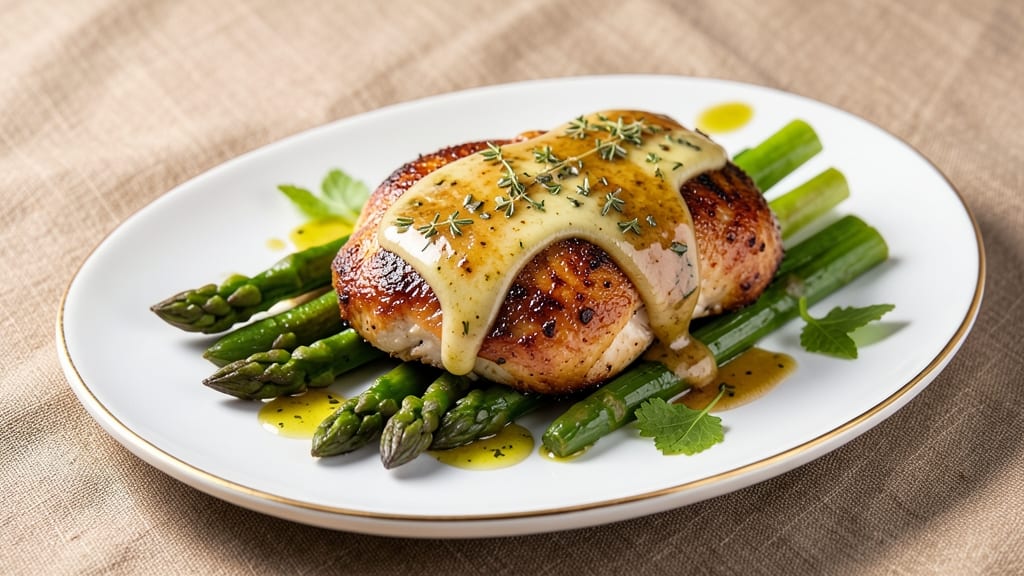
This baked tarragon chicken recipe delivers restaurant-quality flavor with minimal effort—juicy, herb-infused bites that taste like they simmered for hours. The secret lies in a herbal butter baste that keeps the meat moist while infusing every bite with tarragon’s bright, anise-like aroma.
I’ve perfected this technique over years of testing, ensuring tender results without drying out the chicken.
The process is straightforward but precise: season the chicken with salt, pepper, and a blend of fresh tarragon and thyme, then bake it uncovered. Every 15 minutes, I baste the chicken with melted garlic-herb butter, locking in moisture and building layers of flavor.
This method transforms simple ingredients into a dish that feels special enough for company but easy enough for weeknights.
By the time it emerges from the oven, you’ll have golden, aromatic chicken with crisp edges and tender centers—perfectly moist thanks to the basting technique. The tarragon’s flavor shines through, balancing the richness of the butter without overpowering the chicken.
Serve with roasted vegetables or a fresh salad to complete the meal.
This recipe scales beautifully for gatherings or leftovers, making it ideal for meal prep. The key is patience—the basting step ensures every bite is flavorful and juicy. Let’s get started on creating your most aromatic baked chicken yet.
Ingredients for baked tarragon chicken
Eleven ingredients—five herbs, three fats, three seasonings—transform simple chicken into restaurant-worthy aromatic bites.
| Ingredient | Amount | Notes |
|---|---|---|
| Boneless, Skinless Chicken Breasts 🍗 | 1 ½ lb | Pounded to even thickness |
| Unsalted Butter 🧈 | ½ cup | Cold, cubed for basting |
| Fresh Tarragon Leaves 🌿 | ½ cup | Chopped finely for butter |
| Fresh Thyme Sprigs 🌿 | ¼ cup | Leaves only, stems removed |
| Garlic Cloves 🧄 | 4 cloves | Minced for herbal butter |
| Extra-Virgin Olive Oil 🫒 | 1 tbsp | For basting and seasoning |
| Diamond Crystal Kosher Salt 🧂 | 1 ½ tsp | Adjust to taste |
| Freshly Ground Black Pepper 🌶️ | ½ tsp | Coarsely cracked |
| Lemon Zest 🍋 | 1 tsp | Brightens the tarragon flavor |
| Fresh Lemon Juice 🍋 | 1 tbsp | For finishing |
| All-Purpose Flour 🌾 | 1 tbsp | For dredging chicken |
The tarragon is non-negotiable here. Fresh tarragon from a specialty market or well-stocked grocery store delivers that signature anise-like aroma—dried simply won't cut it. For the butter, Plugrá or Land O'Lakes unsalted are reliable choices, but any high-quality brand works. The chicken breasts should be similar in size (about 6-8 oz each) to ensure even cooking. Pound them to ¼-inch thickness for consistent basting absorption. Fresh thyme complements the tarragon beautifully—look for vibrant purple sprigs at the store, not wilted ones.
No fresh tarragon? Dried tarragon at one-third the amount works in a pinch, though it lacks complexity. Substitute ½ tsp fennel seeds for a similar anise note if needed. The garlic can be roasted ahead for a sweeter flavor—simply toss whole cloves with olive oil and bake at 400°F for 15 minutes. For the butter basting, European-style butter (like Kerrygold) adds richer flavor, but regular unsalted works too. If you're short on time, melt the butter with the herbs in a small saucepan instead of using the food processor method.
Prep the chicken and herbs 1 hour ahead—they keep well in the fridge. The basting butter can be made 2 days in advance and stored in an airtight container. Reheat gently before using. Leftovers reheat beautifully—10 minutes at 350°F with a splash of water or broth restores moisture. For meal prep, portion the chicken into single servings and store with a pat of the leftover basting butter to maintain flavor. The dish holds for 4 days refrigerated or 3 months frozen, though the tarragon flavor peaks within 2 days.
Why You'll Love This Recipe
- No-Fuss Prep: I swear by this recipe because it’s the kind of meal that lets me multitask—just season the chicken, dot it with butter and herbs, and slide it in the oven. No chopping, no fussing, and the tarragon’s bright aroma fills the kitchen while I’m still deciding what to watch on TV.
- Herb-Packed Magic: That buttery, garlicky tarragon glaze? It’s the kind of flavor that makes you pause mid-bite. The thyme adds warmth, but the tarragon steals the show—like a sophisticated whisper in every tender bite.
- Weeknight Workhorse: Between us, this is my go-to when I need something impressive but effortless. Serve it with roasted potatoes for a hearty dinner, or slice it for sandwiches the next day. (Yes, even on a Tuesday night.)
- Budget-Friendly Luxury: Fresh herbs might seem fancy, but a few sprigs of tarragon and thyme stretch across multiple meals. The chicken stays juicy, the butter adds richness, and honestly? It tastes like a restaurant dish without the price tag.
Step-by-step instructions for baked tarragon chicken
This method delivers perfectly moist, herb-infused chicken with a golden crust and aromatic herbal butter.
Prepare the Herbal Butter Baste
In a food processor, combine the 0.5 cup unsalted butter, 0.5 cup chopped fresh tarragon leaves, 0.25 cup fresh thyme leaves (from the sprigs), 4 minced garlic cloves, 1.5 tsp diamond crystal kosher salt, and 0.5 tsp freshly ground black pepper. Pulse until the mixture reaches a coarse, herby paste consistency—you should see butter chunks mixed with vibrant green herbage. This blend will infuse the chicken with layers of flavor while keeping it impossibly tender.
Transfer the herbed butter to a bowl and refrigerate until firm but still spreadable. The cold butter ensures it bastes the chicken effectively rather than melting too quickly. Here's the thing—this butter isn't just flavor; it's the moisture lock that prevents dryness during baking. Keep it chilled until you're ready to use it in the next step.
Season and Dredge the Chicken
Place the 1.5 lb boneless, skinless chicken breasts between two sheets of plastic wrap and pound them to an even ½-inch thickness using a meat mallet. This ensures even cooking throughout. Season both sides generously with the remaining 1 tsp lemon zest and 1 tbsp fresh lemon juice, pressing it into the meat to maximize flavor penetration.
Lightly dredge each piece in 1 tbsp all-purpose flour, shaking off any excess. The flour creates a delicate crust that helps the chicken brown beautifully and prevents the herbs from sticking to the baking dish. Don't skip this step—it's what gives the finished dish that professional restaurant look. Arrange the seasoned breasts on a plate and let them sit at room temperature for 15 minutes before baking, which promotes even cooking.
Bake with Herbal Butter Basting
Preheat your oven to 400°F and position a rack in the middle position. Place the dredged chicken breasts in a baking dish and drizzle 1 tbsp extra-virgin olive oil evenly over the top. This oil helps create a golden crust while allowing the herbal butter to adhere properly. Bake for 12 minutes to develop an initial crust.
Remove the chicken from the oven and spoon half of the chilled herbed butter over the top, spreading it evenly. Return to the oven and continue baking for another 12 minutes, basting with the remaining butter halfway through. The butter should melt and sizzle slightly—this is your signal that the chicken is cooking perfectly. The oven's residual heat will help the butter baste the chicken continuously, infusing it with those aromatic herbs.
Finish with Lemon and Rest
Once the chicken reaches an internal temperature of 165°F (about 24-26 minutes total), remove it from the oven. Spoon any remaining butter from the baking dish over the chicken and let it rest for 5 minutes. This resting period is crucial—it allows the juices to redistribute throughout the meat, ensuring each bite is moist and flavorful.
Before serving, drizzle each piece with a final touch of 1 tbsp fresh lemon juice and garnish with additional lemon zest. The acidity brightens the tarragon flavor and cuts through the richness of the butter. The finished chicken should have a golden-brown crust, tender texture, and layers of herbal aroma with each bite. Serve immediately with roasted vegetables or a fresh herb salad to complement the tarragon's anise-like notes.
Pro Tips For Making Baked Tarragon Chicken
- USE A THICK CUT: Boneless chicken breasts dry out fast, so slice them horizontally into 1-inch thick cutlets before baking. I learned this the hard way—thin breasts turn rubbery even with butter basting.
- STRIP THYME STEMS: Remove thyme leaves from stems and scatter them directly over the chicken before baking. The stems won’t soften, and they’ll just sit there looking sad (and tasting bitter).
- BASTE WITH THE JUICES: Every 15 minutes, spoon the pan juices over the chicken—this keeps it moist and builds flavor. Skip this, and you’ll end up with dry meat, no matter how much butter you use.
- GARLIC FIRST, TARRAGON LAST: Sear minced garlic in the butter until golden before adding chicken, but toss fresh tarragon leaves on top after baking. The heat burns tarragon’s delicate flavor, while garlic adds depth without overpowering.
Regional styles of these flavors
French Classic Approach
In France, this dish transforms into Poulet au Tarragon, where the tarragon is often paired with white wine and shallots for a sophisticated sauce. The technique involves searing the chicken first, then finishing it in a béchamel sauce infused with fresh tarragon.
I’ve adapted this by using the same herbal butter basting but adding ¼ cup dry white wine to the baking dish during the last 8 minutes of cooking. The wine reduces slightly, creating a glossy, aromatic glaze that clings beautifully to the chicken. 🍷
Southern U.S. Lemon-Tarragon Twist
The American South embraces this dish with a bold citrus kick, where extra lemon zest (up to 2 tsp) and hot sauce (like Crystal or Tabasco) are incorporated into the basting butter.
I’ve seen versions where smoked paprika is added to the flour dredge for a subtle smokiness. The chicken is often served with collard greens or cornbread to balance the herbaceous notes. Trust me, the smoky-sweet contrast is unbeatable.
Scandinavian Tarragon-Cream Variation
In Sweden and Norway, tarragon is paired with sour cream for a rich, creamy finish. After baking the chicken with the herbal butter, the dish is completed by spooning ½ cup sour cream mixed with 1 tbsp chopped tarragon over the top and broiling for 2-3 minutes until golden.
This method adds a velvety texture that complements the tarragon’s anise notes perfectly. I’ve found that Greek yogurt works as a lighter alternative for those watching fat intake.
Italian Herb Blend Adaptation
Italian cooks often replace tarragon with fresh basil and oregano, creating a Mediterranean-inspired version. The basting butter is made with ½ cup fresh basil leaves and 1 tbsp chopped oregano instead of tarragon.
A splash of white wine vinegar (about 1 tbsp) is added to the baking dish during the final 5 minutes of cooking to brighten the flavors. This adaptation works beautifully with roasted cherry tomatoes or caprese salad on the side. 🌿
Modern Fusion with Tarragon-Mustard Glaze
For a contemporary twist, I’ve experimented with a tarragon-Dijon mustard glaze that adds tangy depth. After basting with the herbal butter, I mix 2 tbsp Dijon mustard with 1 tbsp honey and brush it over the chicken during the last 10 minutes of baking.
The glaze caramelizes slightly, creating a sticky, flavorful crust. This version pairs exceptionally well with roasted Brussels sprouts or quinoa salad. The mustard cuts through the richness of the butter while enhancing the tarragon’s aroma. 💫
Nutrition facts
Frequently asked questions
Can I use chicken thighs instead of breasts for this recipe?
Chicken thighs work beautifully and stay juicier during baking. Increase the cooking time to 30-35 minutes at 400°F and baste every 10 minutes instead of every 15 minutes. The skin will crisp up nicely, adding extra flavor. Just reduce the oven temperature to 375°F if you want to avoid overcooking the outer edges.
What if I don't have fresh tarragon? Can I substitute?
Fresh tarragon is ideal, but you can use ½ teaspoon dried tarragon as a substitute. For extra depth, combine it with ½ teaspoon fennel seeds (toasted and crushed) to mimic tarragon's anise-like flavor. Avoid using dried thyme or oregano—they won't provide the same aromatic profile. If you're missing tarragon entirely, try ½ cup fresh basil for a Mediterranean twist.
Why does my chicken turn out dry even with the basting?
Dry chicken usually happens from overcooking or skipping the rest time. Always check the internal temperature with a meat thermometer—it should reach 165°F at the thickest part. Never cut into the chicken while it's still hot; let it rest for 5-10 minutes before serving. Also, avoid opening the oven door too often, as temperature fluctuations can dry out the meat. If using thicker cuts, consider lowering the oven temperature to 375°F.
Can I make this recipe ahead of time?
Yes! Prepare the chicken up to 2 days in advance by cooking it fully, then refrigerating it in an airtight container. To reheat, place it in a 350°F oven for 10-15 minutes with a splash of water or broth in the pan. For best flavor, serve within 2 days—the tarragon's aroma peaks when fresh. You can also freeze the cooked chicken for up to 3 months, though the texture may be slightly drier after thawing.
What are the best sides to serve with this dish?
This aromatic chicken pairs perfectly with roasted seasonal vegetables (like asparagus or Brussels sprouts) or a bright herb salad with lemon vinaigrette. For a heartier meal, try wild rice pilaf or garlic mashed potatoes. The tarragon's anise notes also complement creamy polenta or crusty bread with extra-virgin olive oil. Avoid heavy, rich sides that might overpower the delicate herb flavors.