
Main Courses
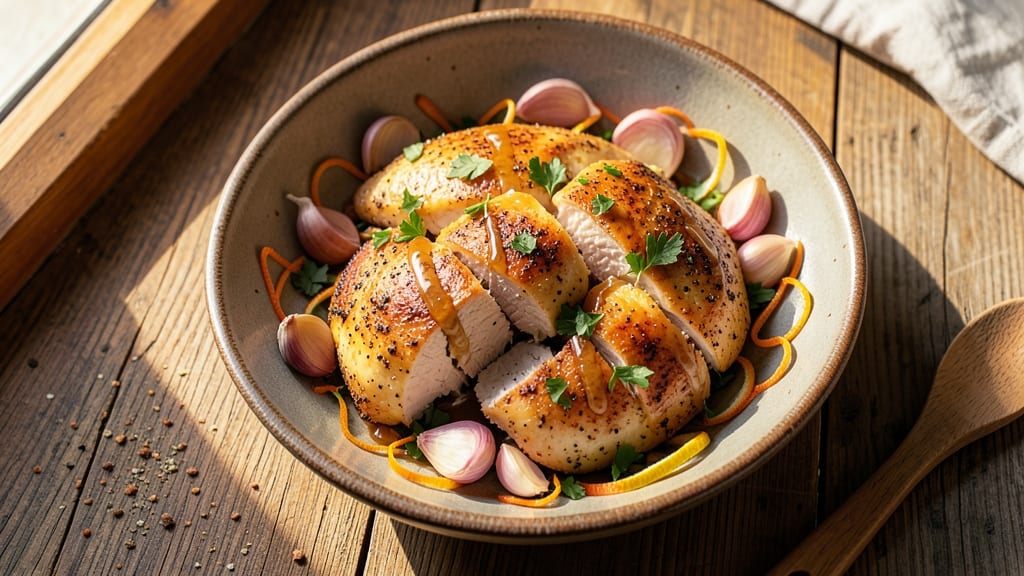
This baked Grecian chicken recipe transforms simple ingredients into a restaurant-worthy dish with a crispy za’atar crust and sweet honey-orange glaze. The secret lies in balancing Mediterranean spices with bright citrus and aromatic herbs—a technique perfected in Greek kitchens for centuries.
What makes this recipe stand out is the dual-texture approach: tender, juicy chicken underneath a golden, fragrant crust that crackles with every bite.
The process begins with a dry rub of za’atar, garlic, and lemon zest, which creates the signature crust when baked. Meanwhile, a honey-orange glaze—simmered with olive oil and fresh herbs—caramelizes beautifully, adding a glossy finish that’s both sweet and tangy.
This method ensures the chicken stays moist while developing deep, complex flavors from the spices and citrus.
By the time it emerges from the oven, you’ll have golden-brown chicken with a crispy exterior that shatters at the touch, revealing tender meat infused with garlic, lemon, and za’atar’s earthy warmth. The glaze clings to every bite, offering a perfect balance of sweetness and acidity.
Serve it with roasted Mediterranean vegetables or a fresh Greek salad for a complete meal that transports you to a seaside taverna.
This recipe is designed for modern kitchens—no special equipment required, just a baking dish and about 45 minutes of hands-off time. The flavors develop as it bakes, making it ideal for weeknight dinners or special occasions. Let’s get started on a dish that’s as elegant as it is delicious.
Ingredients for baked grecian chicken
Mediterranean spices, citrus zest, and aromatic herbs create this elegant yet approachable dish.
| Ingredient | Amount | Notes |
|---|---|---|
| Boneless, Skinless Chicken Thighs 🍗 | 1 ½ lb | Medium-sized, trimmed of excess fat |
| Za’atar Spice Blend 🌿 | 3 tbsp | Store-bought or homemade mix |
| Garlic Cloves 🧄 | 6 cloves | Minced for even distribution |
| Lemon Zest 🍋 | 1 tbsp | From 1 large organic lemon |
| Extra-Virgin Olive Oil 🫒 | ½ cup | For crust and glaze |
| Raw Honey 🍯 | ⅓ cup | Thick, floral variety preferred |
| Orange Juice 🍊 | ½ cup | Freshly squeezed, no pulp |
| Fresh Dill 🌿 | ¼ cup | Chopped, stems removed |
| Fresh Oregano 🌿 | 2 tbsp | Chopped, not dried |
| Diamond Crystal Kosher Salt 🧂 | 1 ½ tsp | For seasoning and crust |
| Ground Black Pepper 🌶️ | ½ tsp | Freshly cracked |
| Fresh Lemon Juice 🍋 | 1 tbsp | From same lemon used for zest |
| Garlic Powder 🧄 | ½ tsp | For additional depth |
The za’atar blend is non-negotiable here—look for authentic Middle Eastern za’atar at specialty markets or bulk bins for that earthy, sesame-forward flavor. Penzeys or Mediterranean Pantry carry excellent options. Fresh dill and oregano should be vibrant green with no wilting, indicating peak flavor. For the citrus, organic lemons and oranges have thicker zest and brighter juice. If using store-bought za’atar, check for sesame seeds in the blend—they're essential for that signature crunch.
No za’atar? Substitute 2 tbsp sesame seeds + 1 tbsp dried thyme + 1 tsp cumin for a similar effect. Fresh herbs unavailable? Dried oregano at half the amount works, but texture will differ. For the honey, avoid ultra-processed clover honey—look for acacia or thyme varieties for floral depth. The olive oil should be extra-virgin, cold-pressed with a peppery finish. If you can't find fresh dill, substitute 1 tbsp dried dill, but reduce the amount by one-third. The garlic powder acts as a backup for the minced garlic's aroma during baking.
Store fresh herbs in damp paper towels wrapped in plastic for 5-7 days in the fridge. Za’atar keeps indefinitely in a cool, dark place—airtight container only. The baked chicken reheats best at 350°F for 10 minutes, covered with foil. For meal prep, portion the glaze separately and reheat with the chicken to maintain its glossy finish. This dish freezes beautifully for up to 3 months—the crust stays crispy when reheated properly.
Why You'll Love This Recipe
- Same recipe, two vibes: toss it on a sheet pan for a lazy Tuesday, or arrange it on a platter with pita and veggies for guests. The za’atar’s earthy notes pair with anything—even a simple salad or roasted potatoes.
- Minimal Ingredient List: I swear by this recipe because it’s built on just six things—no fancy pantry raids. The za’atar alone does half the work, and that lemon zest? It brightens everything without extra effort.
- Crispy Without Fuss: No deep-frying, no butter baths—just olive oil and 400°F heat. The thighs get that golden crunch on top while staying juicy inside, and honestly? It’s the easiest way to get restaurant-quality texture at home.
- Weeknight to Dinner Party: Same recipe, two vibes: toss it on a sheet pan for a lazy Tuesday, or arrange it on a platter with pita and veggies for guests. The za’atar’s earthy notes pair with anything—even a simple salad or roasted potatoes.
Step-by-step instructions for baked Grecian chicken
Master this Mediterranean technique for restaurant-quality chicken with perfect crust and glaze.
Prepare the Za'atar Crust and Glaze Components
In a small bowl, combine the 3 tbsp za'atar spice blend, 0.5 tsp garlic powder, 1.5 tsp kosher salt, and 0.5 tsp black pepper. Mix thoroughly to distribute the spices evenly. This blend will create that signature crispy crust we're after.
In a separate bowl, whisk together the 0.5 cup extra-virgin olive oil, 0.33 cup raw honey, 0.5 cup orange juice, 1 tbsp lemon juice, 1 tbsp lemon zest, 0.25 cup chopped fresh dill, and 2 tbsp chopped fresh oregano. The citrus and herbs will infuse into the glaze while baking, creating bright, aromatic flavors that complement the za'atar perfectly.
Coat and Rest the Chicken
Pat the 1.5 lb boneless, skinless chicken thighs completely dry with paper towels—this is critical for achieving that crispy crust. The drier the surface, the better the za'atar will adhere and crisp up in the oven.
Generously coat each piece with the za'atar spice mixture, pressing it gently into the meat so it sticks. Then brush with the honey-orange glaze, making sure to cover all surfaces. Place the chicken on a wire rack set over a baking sheet (this allows air circulation for even browning) and refrigerate uncovered for 30 minutes. This resting period lets the spices penetrate and the glaze set up properly.
Bake to Crispy Perfection
Preheat your oven to 400°F with the rack positioned in the middle position. This high heat is essential for developing that signature crispy crust while keeping the interior juicy. Bake the chicken for 25 minutes, then carefully flip each piece and return to the oven for another 20-25 minutes until the internal temperature reaches 165°F and the crust is deep golden brown.
Here's the key moment: the crust should be crisp enough to hold its shape when lifted with tongs, with visible caramelization from the honey glaze. If the glaze starts to bubble excessively, tent the pan with foil for the last 5 minutes to prevent burning while still allowing the crust to crisp.
Rest and Glaze Finishing Touches
Transfer the chicken to a serving platter and let it rest for 5-10 minutes before serving. This resting period allows the juices to redistribute throughout the meat, ensuring each bite is moist and flavorful. During this time, you can optionally brush the chicken with any remaining glaze mixture for extra shine and flavor.
The finished chicken should have a beautifully crisp za'atar crust that gives way to tender, juicy meat inside. The honey-orange glaze should be slightly sticky with a balance of sweet and tangy flavors that complement the savory za'atar. Serve immediately with crusty bread or over a bed of couscous to soak up those delicious juices.
Pro Tips For Making Baked Grecian Chicken
- Pat the thighs dry: No one likes a soggy crust, especially when you’re going for that golden za’atar finish. Use paper towels to blot the chicken thighs thoroughly—even if they look dry, give them another go. Moisture is the enemy of crispy, and this step makes all the difference when the oil hits 425°F.
- Toast the za’atar first: I used to just sprinkle it on raw, and the flavor always felt muted. Heat the za’atar in a dry pan for 30 seconds until it smells earthy and aromatic—this wakes up the sesame and cumin notes. Then mix it with the olive oil before coating the chicken; the oil will carry those flavors deeper.
- Don’t overcrowd the pan: I learned this the hard way—packing the thighs too close means they steam instead of sear. Leave at least ½ inch between each piece, and if your pan’s too small, work in batches. Crowding turns your crispy dream into a sad, limp reality, and no one wants that.
- Add lemon zest last: The zest loses its brightness when baked too long, so save it for the final 5 minutes. Sprinkle it over the chicken right before pulling it from the oven—this keeps the acidity sharp and the citrus flavor popping. If you’re feeling fancy, zest a little extra and mix it into the oil before coating.
Perfect pairings for this dish
Mediterranean Sides
Pair your Grecian chicken with roasted lemon-herb potatoes—toss 1 lb baby potatoes with 2 tbsp olive oil, 1 tsp za’atar, 1 tbsp lemon zest, and ½ tsp salt.
Roast at 425°F for 30 minutes until golden. The earthy za’atar ties into the chicken’s crust beautifully. 🥔
For a lighter option, serve with Greek cucumber-tomato salad. Dice 2 large cucumbers and 3 tomatoes, then toss with ¼ cup red onion, ¼ cup chopped fresh dill, 2 tbsp olive oil, and 1 tbsp red wine vinegar.
The cool, crisp salad balances the rich chicken perfectly.
Bread Pairings
Warm crusty sourdough or pita bread is a must—dip into the honey-orange glaze left in the baking dish. For extra flair, brush slices with garlic-infused olive oil and sprinkle with flaky sea salt before baking at 375°F for 5 minutes.
The crusty texture contrasts wonderfully with the tender chicken. 🥖
Wine & Drink Pairings
A crisp Assyrtiko white wine from Greece complements the dish’s citrus and herb notes. Look for a Santorini Assyrtiko—its mineral finish and bright acidity cut through the richness.
For a non-alcoholic option, try sparkling pomegranate lemonade: mix 1 cup pomegranate juice, ½ cup sparkling water, and 1 tbsp honey. 🍷
Dessert Harmony
End the meal with baklava or Greek yogurt with honey and walnuts. The sweet, nutty dessert mirrors the za’atar’s sesame notes while balancing the dish’s savory-sweet profile. For a lighter option, serve orange and almond cake—its citrusy flavor echoes the glaze. 🍰
Global Twists
For a fusion twist, serve with harissa-spiced couscous—toss 1 cup cooked couscous with 1 tsp harissa paste, 1 tbsp olive oil, and 2 tbsp chopped parsley.
The smoky harissa adds depth to the Mediterranean flavors. Alternatively, pair with roasted eggplant and tahini sauce for a veggie-forward plate. 🌍
Nutrition facts
Frequently asked questions
Can I use chicken breasts instead of thighs?
Chicken breasts will work, but thighs are ideal for this recipe. Thighs stay juicier during baking, while breasts may dry out. If using breasts, reduce baking time by 5-7 minutes and check for 165°F internal temperature. For best results, pound them to an even thickness before coating.
What makes za'atar so special in this recipe?
Za'atar is the heart of this dish's flavor and texture. This Middle Eastern blend of sesame seeds, dried herbs (like thyme and oregano), and sumac creates a crispy, nutty crust while adding earthy depth. The sesame seeds provide that signature crunch, while the herbs infuse the chicken with aromatic Mediterranean flavors.
How do I prevent the crust from falling off?
Proper technique is key! First, pat the chicken completely dry before applying the za'atar. Second, press the spice blend firmly into the meat so it adheres well. Finally, avoid flipping the chicken too early—wait until the first side develops a golden crust before turning. The wire rack method also helps with even browning and crust formation.
Can I make this recipe ahead of time?
This dish actually tastes better the next day. Prepare the chicken up to 2 days ahead and store it in an airtight container in the refrigerator. Reheat at 350°F for 10-15 minutes, covered with foil, then finish under the broiler for 1-2 minutes to restore the crust's crispiness.
What's the best way to reheat leftovers?
For perfect results, use the oven method. Place chicken on a baking sheet and cover loosely with foil. Reheat at 350°F for 10 minutes, then remove the foil and broil for 1-2 minutes to crisp the crust. Avoid microwaving—it makes the crust soggy and ruins the texture. The glaze can be reheated separately if needed.