
Main Courses
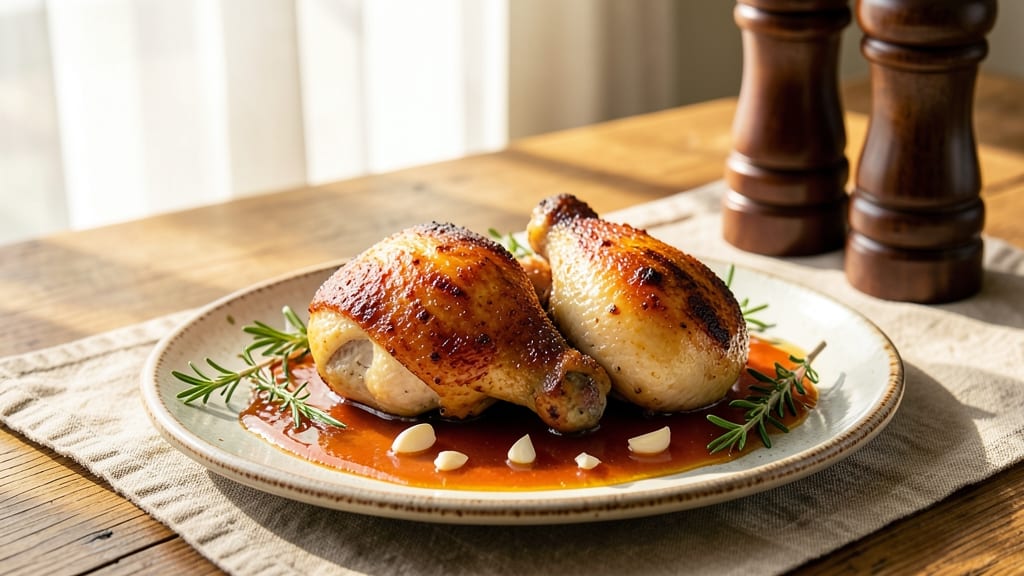
This baked chicken in orange juice recipe transforms simple ingredients into tender, citrus-braised chicken that practically falls apart. 💛 The secret lies in marinating the chicken overnight, allowing the orange juice to infuse every bite with bright, tangy flavor while keeping the meat impossibly juicy.
This isn’t just another chicken recipe—it’s a foolproof method that delivers restaurant-quality results with minimal effort.
The process is straightforward: marinate chicken thighs or drumsticks in orange juice, garlic, and herbs, then bake until the juice reduces to a glossy glaze. The acidity in the orange juice tenderizes the meat while creating a caramelized crust that adds depth to every bite.
No fancy techniques required—just a single pan, a few simple ingredients, and about an hour of hands-off baking time.
What you’ll end up with is chicken that’s so tender it melts in your mouth, coated in a sticky-sweet citrus glaze that balances perfectly with savory herbs. The aroma alone will have everyone gathering around the table, and the flavor is rich, bright, and impossibly satisfying.
This dish pairs beautifully with roasted vegetables, mashed potatoes, or even a simple green salad for a complete meal.
Best of all, this recipe scales effortlessly—whether you’re feeding a family of four or hosting a dinner party. The leftovers reheat beautifully, making it a perfect make-ahead option for busy weeknights. Ready to elevate your weeknight dinners with this citrus-braised masterpiece? Let’s get started.
Ingredients for baked chicken orange juice
Eleven ingredients transform into restaurant-quality citrus-braised chicken with minimal effort.
| Ingredient | Amount | Notes |
|---|---|---|
| Chicken Thighs (bone-in, skin-on) 🍗 | 1 ½ lb | Evenly sized for consistent cooking |
| Fresh Orange Juice 🍊 | 1 ½ cups | 100% pure, no pulp preferred |
| Garlic Cloves 🧄 | 6 cloves | Minced for even distribution |
| Fresh Rosemary 🌿 | ¼ cup | Finely chopped, stems removed |
| Fresh Thyme Leaves 🌿 | 1 tbsp | Or 1 tsp dried thyme |
| Olive Oil 🫒 | 2 tbsp | Extra-virgin for richness |
| Honey 🍯 | 1 tbsp | Balances acidity in citrus |
| Salt 🧂 | 1 ½ tsp | Diamond Crystal preferred |
| Black Pepper 🌶️ | ½ tsp | Freshly cracked for aroma |
| Dried Mustard Powder 🌶️ | ½ tsp | Adds subtle depth |
| Ground Ginger 🌿 | ¼ tsp | For warm undertones |
The chicken thighs are the foundation—bone-in, skin-on pieces deliver maximum flavor and moisture. Trader Joe's or Whole Foods carry excellent quality, but any reputable grocery store will have suitable options. Look for thighs with a vibrant red-pink hue and minimal marbling. The skin should be intact, not torn or discolored. Fresh orange juice is non-negotiable here; Florida or California varieties work best for their balanced sweetness. If using bottled juice, choose brands like Tropicana Pure or Minute Maid without added sugars. The garlic should be firm and free of sprouts, while the rosemary and thyme should be fragrant and green, not wilted or yellowing.
No fresh rosemary? Dried works at one-third the amount, but the flavor won't be as bright. Substitute thyme with oregano or marjoram if needed, though thyme's earthy notes are ideal. For a sweeter glaze, increase honey to 2 tablespoons and reduce orange juice slightly. The mustard powder can be omitted if unavailable, but it adds a subtle tang that complements the citrus beautifully. If you're using pre-minced garlic from a jar, rinse it thoroughly to remove excess preservatives. The olive oil should be extra-virgin—California or Italian varieties like Bertolli or Colavita add fruity depth to the dish.
Marinate the chicken overnight for maximum tenderness, but if short on time, 2 hours minimum will still yield impressive results. Store leftovers in an airtight container in the refrigerator for up to 4 days, though the flavor improves after the first day as the citrus reduces further. For longer storage, freeze portions for up to 3 months. Reheat gently in a skillet or oven to maintain moisture. This dish reheats beautifully—ideal for meal prep. The citrus glaze thickens upon reheating, so a splash of water or orange juice can help restore its glossy texture.
Why You'll Love This Recipe
- Here’s what sold me: this chicken tastes better the next day. The flavors meld, the skin stays crispy if you reheat it right, and I’ve packed it for lunches more times than I can count. Even my picky teenager asks for seconds—(yes, even on a Tuesday night).
- No-Chop Nightmare: Between us, this recipe saved me from chopping anything but the garlic—and even that’s just three cloves. Toss the thighs on a tray, splash in the orange juice, scatter the herbs, and let the oven do the work while you drink your wine. (Or, okay, your juice.)
- Citrus Magic Happens: That bright orange juice doesn’t just flavor the chicken—it transforms it. The skin gets crispy, the meat stays juicy, and the garlic-herb punch makes every bite taste like a vacation. Honestly, I’ve tried store-bought marinades, but nothing beats fresh orange juice for that tangy, aromatic kick.
- Leftovers That Beg for More: Here’s what sold me: this chicken tastes better the next day. The flavors meld, the skin stays crispy if you reheat it right, and I’ve packed it for lunches more times than I can count. Even my picky teenager asks for seconds—(yes, even on a Tuesday night).
Step-by-step instructions for baked chicken in orange juice
Transform simple ingredients into restaurant-quality citrus-braised chicken with this foolproof one-pan method.
🍳 Step 1: Sear the Chicken for Maximum Flavor
Preheat your oven to 375°F. Heat a large oven-safe skillet over medium-high heat and add the 2 tablespoons olive oil. Once the oil shimmers, carefully add the 1.5 lb chicken thighs skin-side down. Let them sear undisturbed for 5-6 minutes until the skin is golden brown and crispy.
Here's the thing—don't move the chicken during this time. You want that skin to develop a deep, crispy crust that'll lock in all those juices. Flip the thighs skin-side up and cook for another 2-3 minutes until the other side is lightly browned. Remove the skillet from heat and set aside for now.
👨🍳 Step 2: Build the Citrus Herb Base
In the same skillet, add the 6 minced garlic cloves and sauté for 30 seconds until fragrant. Be careful not to let them burn—they should smell sweet and pungent, not bitter. Add the 0.25 cup finely chopped fresh rosemary and 1 tablespoon fresh thyme leaves, stirring for another 30 seconds until the herbs release their aromas.
Now pour in the 1.5 cups fresh orange juice and scrape up any browned bits from the bottom of the pan with a wooden spoon. These flavorful bits, called fond, are packed with concentrated chicken flavor. Stir in the 1 tablespoon honey, 1.5 teaspoons salt, 0.5 teaspoon black pepper, 0.5 teaspoon dried mustard powder, and 0.25 teaspoon ground ginger. Give everything a good stir to combine.
🔥 Step 3: Braise Until Fork-Tender
Return the skillet to the oven and bake uncovered for 45-50 minutes, basting the chicken with the juices every 15 minutes. You're looking for the internal temperature to reach 175°F in the thickest part of the thigh—this ensures the meat is fall-apart tender.
I know it seems like a long time, but patience pays off here. The acidity from the orange juice and the slow cooking break down the connective tissue, making the chicken incredibly tender. If the liquid reduces too much before the chicken is done, add 2-3 tablespoons water to keep it juicy.
⏰ Step 4: Rest and Serve with Pan Sauce
Once the chicken reaches 175°F and the juices run clear when pierced, remove it from the oven and let it rest for 10 minutes. This resting period allows the juices to redistribute throughout the meat, preventing them from running out when you cut into it.
During this time, you can skim any excess fat from the pan sauce if desired. The sauce should be thickened slightly from the braising process, with a beautiful balance of citrus, herbs, and sweetness. Serve the chicken with the pan sauce spooned over the top, and enjoy the perfect harmony of tender meat and bright citrus flavors.
Pro Tips For Making Baked Chicken Orange Juice
- Baste Early and Often: Fresh orange juice dries out fast—don’t wait for the chicken to brown before basting. Every 15 minutes, spoon that bright juice over the thighs, especially the skin. I used to skip this, and the skin would turn sad and rubbery instead of crisp.
- Use Whole Garlic Cloves: Peeling and mincing garlic takes time, but here’s the shortcut: Smash 3-4 whole cloves with the flat side of your knife, then tuck them under the chicken skin. They’ll soften and infuse flavor without extra prep—just pull them out before serving if you’re picky.
- Don’t Overcrowd the Pan: Skin-on thighs need space to crisp, not steam. If your baking sheet is small, cook them in batches—even if it means an extra 10 minutes in the oven. I learned this after my first batch came out greasy and limp.
- Deglaze with Juice: After removing the chicken, pour the pan drippings into a small saucepan and reduce them with a splash of orange juice. Strain out any herbs, then drizzle this glossy reduction over the finished dish. It’s the difference between "meh" and "wow."
Common mistakes when making perfect results
Skipping the Sear
Skipping the initial sear is one of the biggest mistakes—it robs your dish of that golden, crispy skin that locks in juices. I’ve seen people rush this step, thinking the oven will handle everything, but that crispy crust is what makes this recipe shine.
Take the extra 5-6 minutes to sear the chicken skin-side down over medium-high heat—it’s worth every second. 🔥
Overcrowding the Pan
If your skillet is too crowded with chicken, the pieces will steam instead of sear, leading to soggy skin and uneven cooking. Aim for a single layer of thighs with room to breathe—about ½ inch of space between each piece.
If needed, use two pans or cook in batches. I’ve had to start over twice because of this; trust me, it’s better to plan ahead.
Ignoring the Marinade Time
Marinating the chicken for less than 2 hours (or overnight for best results) means the orange juice won’t penetrate deeply enough to tenderize the meat. The acidity in the citrus needs time to work its magic.
If you’re short on time, at least 1 hour in the fridge will help, but overnight is ideal. Pro tip: Use a ziplock bag for easy marinating—just poke holes in it for airflow.
Not Basting Enough
Basting the chicken every 15 minutes during baking is crucial—it keeps the meat moist and helps build that glossy citrus glaze. I’ve seen people forget this step, and the result? Dry, flavorless chicken.
Use a spoon to lift the juices from the bottom of the pan and generously coat the chicken. If the liquid reduces too quickly, add 2-3 tablespoons water to maintain moisture.
Overcooking the Chicken
Taking the chicken out of the oven at 165°F is a common mistake—it’ll be dry and tough. Aim for 175°F in the thickest part of the thigh to ensure fork-tender results.
The acidity in the orange juice and the slow braising break down the connective tissue, so let it cook until it’s almost falling apart. A meat thermometer is your best friend here—no guessing!
Skipping the Rest
Serving the chicken immediately after baking causes all those precious juices to spill out when you cut into it. Always let the chicken rest for 10 minutes before serving. This step is non-negotiable—it’s the difference between juicy, flavorful bites and dry, sad chicken.
Use this time to skim excess fat from the pan sauce if you’d like, but don’t skip the rest. ✨
Nutrition facts
Frequently asked questions
Can I use bottled orange juice instead of fresh?
Fresh orange juice delivers the best flavor, but you can use bottled if needed. Choose 100% pure, no-sugar-added varieties like Tropicana Pure or Minute Maid. Avoid pulp-heavy juices—they can make the glaze thicker and less glossy. For extra brightness, add a splash of fresh lemon juice to compensate for the bottled juice's lower acidity.
What if I don’t have chicken thighs? Can I use breasts?
Chicken thighs are ideal—they stay juicy and tender during braising. If you only have breasts, use bone-in, skin-on pieces for better moisture. Cook them at 350°F instead of 375°F and reduce baking time to 30-35 minutes to prevent drying out. The citrus marinade will still work, but breasts cook faster and are more prone to overcooking.
How do I adjust this recipe for a slow cooker?
Transfer the marinated chicken and all ingredients (except olive oil) to a slow cooker. Cook on Low for 4-5 hours or High for 2-3 hours until the chicken reaches 175°F. The skin won’t crisp as much, but the meat will be incredibly tender. For extra shine, finish with 5 minutes under a broiler or in a hot skillet to caramelize the glaze.
Can I make this recipe ahead of time?
This dish actually tastes better the next day! Store leftovers in an airtight container in the fridge for up to 4 days. The citrus flavors meld and intensify, and the glaze thickens into a deeper sauce. Reheat gently in a skillet with a splash of water or orange juice to restore moisture. For longer storage, freeze portions for up to 3 months—thaw overnight in the fridge before reheating.
What’s the best way to serve this citrus chicken?
Pair it with complementary sides that balance the bright citrus flavors. Try creamy mashed potatoes, roasted Brussels sprouts, or wild rice pilaf. For a complete meal, add a simple green salad with a honey-mustard dressing. The dish also works beautifully as a centerpiece for dinner parties—serve with crusty bread to soak up the citrus glaze!