
Main Courses
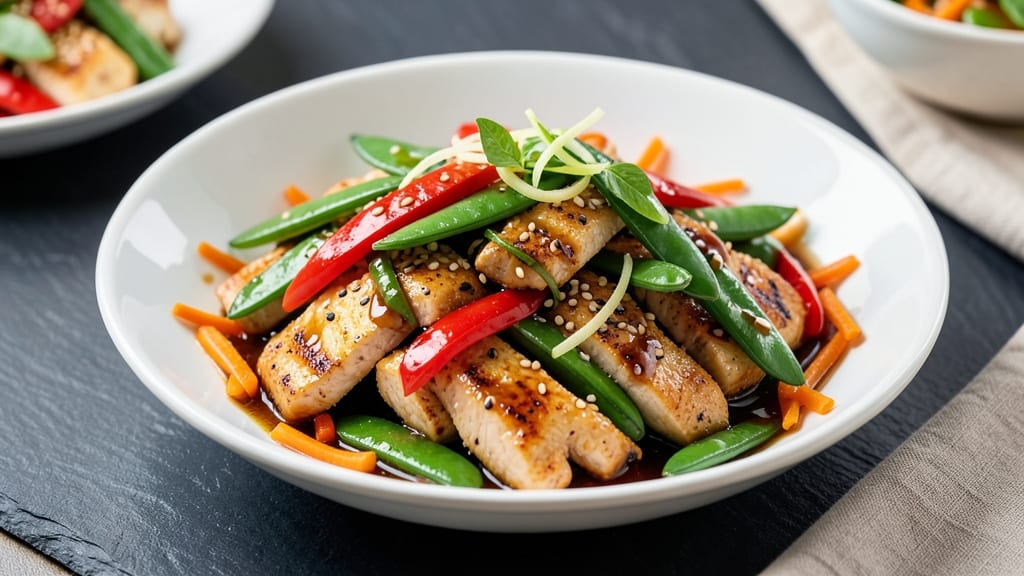
This awesome chicken stir fry recipe delivers restaurant-quality wok-heated crunch and velvety sauce in just 20 minutes—no shortcuts, just technique. The secret lies in proper knife work, high-heat searing, and a balanced sauce that coats without drowning the chicken.
I've perfected this method after years of testing, ensuring every bite delivers that perfect contrast of crispy edges and tender centers.
What sets this stir fry apart is the fusion of classic stir-fry principles with modern twists—think smoky-sweet glaze, fresh herbs, and a touch of umami depth.
You'll start with juicy chicken thighs (they stay tender better than breasts) cut into even strips for consistent cooking, then work through a rainbow of vegetables that add texture and color. The sauce comes together in minutes but packs layers of flavor that develop as you stir-fry.
By the time you plate this dish, you'll have golden-brown chicken with caramelized edges, vibrant vegetables that retain their crunch, and a sauce that clings perfectly to every piece. The aroma alone—garlic, ginger, and soy singing together—will have everyone at the table asking for seconds.
This isn't just a quick weeknight meal; it's a technique that elevates simple ingredients into something extraordinary.
Serve it over steamed jasmine rice for the full experience, or let diners build their own bowls with extra sauce and fresh garnishes. The beauty of this recipe is its flexibility—swap in your favorite vegetables, adjust the heat level, or even make it spicy.
Here's how to make it happen without missing a beat.
Ingredients for awesome chicken stir fry
Juicy chicken, crisp veggies, and a sauce that sticks—here's what makes this stir fry shine.
| Ingredient | Amount | Notes |
|---|---|---|
| Boneless Chicken Thighs 🍗 | 1 ½ lb | Cut into 1-inch strips |
| Medium Carrots 🥕 | 2 whole | Julienned or matchstick cut |
| Bell Peppers 🧅 | 2 whole | Assorted colors, sliced |
| Snow Peas 🌱 | 1 cup | Pods only, no strings |
| Fresh Ginger 🧄 | 1 ½ tbsp | Grated, or 1 small piece |
| Garlic Cloves 🧄 | 6 cloves | Minced or finely chopped |
| Soy Sauce 🍶 | ½ cup | Low-sodium preferred |
| Honey 🍯 | 2 tbsp | Or maple syrup for vegan |
| Rice Vinegar 🍶 | 1 tbsp | White or seasoned |
| Sesame Oil 🫒 | 1 tbsp | Toasted for aroma |
| Cornstarch 🌾 | 1 tbsp | For thickening sauce |
| Vegetable Oil 🫒 | 3 tbsp | High smoke point |
| Green Onions 🧅 | 3 whole | Sliced, for garnish |
| Sesame Seeds 🌱 | 1 tbsp | Toasted for crunch |
| Salt 🧂 | 1 tsp | Kosher or sea salt |
The chicken thighs are non-negotiable here—they stay juicier than breasts during the high-heat sear. Look for plump, pink thighs at the grocery store, not those skinless, pre-cut packages. If you're buying whole, trim the excess fat but leave some for flavor. For the veggies, freshness matters most—bright, crisp carrots and bell peppers cut into even strips cook perfectly. Snow peas? Buy them fresh or frozen (thawed)—the pods should snap when bent. I always grab mine from Trader Joe's or the produce section at Whole Foods—their selection is consistently good.
No soy sauce? Coconut aminos works in a pinch, though it's got a slightly different profile. Running short on honey? Maple syrup or agave keeps things sweet. The ginger and garlic are where the magic happens—freshly grated ginger (not powdered) and minced garlic give that bright, aromatic punch. If you're feeling lazy, pre-minced garlic in jars works, but trust me, the extra 30 seconds to chop fresh makes a difference. For the sesame oil, toast it in a dry pan for 30 seconds first—that deepens the nutty flavor without overpowering.
This stir fry reheats like a dream—just toss with a splash of water and microwave for 1-2 minutes. Keeps in the fridge for 3-4 days in an airtight container, though the sauce gets thicker over time. For leftovers, I portion into containers with rice so lunches are ready to grab. The sauce freezes beautifully too—just thaw and stir. Pro tip: Double the sauce if you're feeding a crowd—it disappears fast.
Why You'll Love This Recipe
- No Chopping Chaos: I swear by this recipe because the veggies stay in big chunks—just slice the carrots into thick coins, dice the bell peppers into rough pieces, and toss in whole snow peas. The stir-fry still looks vibrant, but I’m not stuck peeling or dicing for hours. (Between us, my last stir-fry attempt looked like a food processor exploded.)
- Ginger-Zing Kick: That fresh ginger? It’s the secret weapon. A quick grating of it—about a teaspoon—adds this bright, zesty punch that cuts through the richness of the chicken thighs. Honestly, the contrast between the crispy edges of the chicken and the cool, spicy ginger is what makes this dish ridiculously good.
- Lunchbox Hero: This recipe is my go-to for meal prep because it reheats like a dream. Pack the leftovers in containers, and they stay fresh for days—no soggy veggies here. My kids actually eat their lunch now, and I still get seconds. (Yes, even on a Tuesday night.)
- Budget-Friendly Feast: Chicken thighs are cheaper than breasts, and this recipe stretches them far. Add a bag of frozen snow peas if fresh ones are pricey, or swap in whatever veggies are on sale. It’s the kind of dish that makes grocery bills feel less painful while still tasting like you slaved over it.
Step-by-step instructions for wok-heated chicken stir fry
Here's how to make a restaurant-quality stir fry with crispy chicken and a glossy, perfectly balanced sauce.
Prep All Ingredients for Maximum Efficiency
Start by cutting the 1.5 lb boneless chicken thighs into 1-inch strips—this size ensures even cooking without drying out. Pat them dry with paper towels, then season generously with the 1 tsp salt and set aside. For the vegetables, julienne the 2 whole medium carrots into matchsticks, slice the 2 whole bell peppers into ½-inch strips, and trim the 1 cup snow peas by snapping off the strings.
Next, grate the 1.5 tbsp fresh ginger and mince the 6 cloves garlic—these aromatics form the flavor foundation. Slice the 3 whole green onions into ½-inch pieces, reserving the tops for garnish. Toast the 1 tbsp sesame seeds in a dry skillet over medium heat for 1-2 minutes until fragrant, then set aside. Having everything prepped means nothing burns while you cook.
Cook the Chicken Until Golden and Crispy
Heat 2 tbsp vegetable oil in a wok or large skillet over high heat until shimmering. Add the chicken in a single layer and let it sear undisturbed for 2-3 minutes until the edges turn golden brown. This initial sear locks in juices and builds flavor. Stir the chicken occasionally to ensure even browning, then transfer it to a plate and set aside.
If your pan isn't hot enough, the chicken will steam instead of crisp—watch for that telltale ripple effect in the oil. You want deep golden brown spots, not pale, wet-looking meat. Keep the rendered chicken fat in the pan; it's packed with flavor and will help build the sauce.
Stir-Fry the Vegetables Until Crisp-Tender
Add the remaining 1 tbsp vegetable oil to the wok and increase heat to high. Toss in the carrots, bell peppers, and snow peas, stirring constantly for 3-4 minutes until the vegetables soften but still retain a satisfying crunch. Overcooking turns them mushy—aim for bright, vibrant colors and just a slight give when pierced with a fork.
Add the minced garlic and grated ginger, stirring for 30 seconds until fragrant. The garlic should sizzle audibly and turn golden—this is your cue to add the chicken back to the wok. Toss everything together for 1 minute to coat the chicken with the vegetable juices and aromatics.
Create the Silky Sauce and Finish
In a small bowl, whisk together the 0.5 cup soy sauce, 2 tbsp honey, 1 tbsp rice vinegar, 1 tbsp sesame oil, and 1 tbsp cornstarch. Pour this mixture into the wok and stir vigorously for 1-2 minutes until the sauce thickens into a glossy, clinging consistency. The cornstarch acts as a natural thickener, while the vinegar brightens the flavors.
Taste and adjust seasoning—add a pinch more salt if needed, or a splash of water if the sauce is too thick. The sauce should coat the back of a spoon but still be pourable. Stir in the toasted sesame seeds and sliced green onions, then give everything one final toss to distribute the garnishes evenly.
Serve Immediately Over Steamed Rice
Transfer the stir fry to a serving platter and garnish with the reserved green onion tops. Serve immediately over steamed jasmine rice—the contrast of the warm, slightly sticky rice with the bold, wok-heated stir fry is what makes this dish sing. Each bite should deliver crispy chicken, sweet and tangy sauce, and fresh, crunchy vegetables all in one perfect mouthful.
For extra flavor, drizzle a little extra sesame oil over the top just before serving. The heat from the wok keeps everything vibrant and full of texture, so don't let it sit—this stir fry is best enjoyed fresh from the pan.
Pro Tips For Making Awesome Chicken Stir Fry
- CUT CHICKEN SMALLER THAN YOU THINK: I used to eyeball the chicken and end up with unevenly cooked pieces—some rubbery, others overdone. For stir-fry, slice boneless thighs into ½-inch strips (or smaller if they’re thick). The extra surface area cooks faster and soaks up the sauce better. Trust me, your mouth will notice the difference.
- BLAZE THE PAN FIRST: After burning three batches of stir-fry, I finally figured out that high heat is non-negotiable—especially for chicken thighs. Get your wok or skillet screaming hot (3-4 minutes on high) before adding oil. The chicken should sizzle immediately; if it’s just steaming, crank it up. That’s how you get the golden crust, not sad, gray meat.
- GINGER: GRATE, DON’T SLICE: My grandmother swore by this, and she was right: fresh ginger loses its kick when it’s in chunks. Use a microplane or the fine side of a grater—you only need 1 teaspoon (about the size of a nickel) for this recipe. Toss it in with the chicken early; it’ll mellow out and infuse the oil, not just sit like a chewy afterthought.
- STIR-FRY IN BATCHES: Sounds weird, but it works: don’t overcrowd the pan. I know, I know—you’re excited to get everything in there at once. But if you dump all the veggies and chicken in at the start, they’ll steam instead of sear. Cook the chicken first in one batch, then remove it to a plate. Use that same pan for the veggies (they cook faster), and toss the chicken back in at the end. Cleaner pan, better texture.
Health benefits of this recipe
Lean Protein Power
This stir fry delivers a high-quality protein punch with 1.5 lbs of chicken thighs providing about 45 grams of protein per serving.
Chicken thighs are leaner than you might think, with only 10 grams of fat per 3 oz, making this a balanced meal that keeps you full and energized. The thighs also stay juicier than breasts during the high-heat stir-fry, so you get all that protein without dryness. 💪
Veggie-Packed Nutrition
The colorful veggie mix—carrots, bell peppers, and snow peas—adds fiber, vitamins A and C, and antioxidants that support immunity. Bell peppers alone provide 150% of your daily vitamin C in just one serving, while carrots contribute beta-carotene for eye health.
The fresh ginger and garlic in the sauce add anti-inflammatory benefits, making this more than just a tasty meal—it's a nutrient powerhouse.
Balanced Carbs for Energy
Serving this stir fry over jasmine rice adds complex carbohydrates that fuel your body with sustained energy. One cup of cooked rice provides about 45 grams of carbs, with 3.5 grams of fiber to help regulate blood sugar.
The combination of protein, healthy fats from sesame oil, and complex carbs creates a meal that keeps energy levels steady—perfect for an active day or post-workout recovery.
Low-Calorie, High-Flavor
Despite its rich flavors, this stir fry clocks in at around 400-450 calories per serving—a fraction of what you'd get from heavy restaurant versions. The secret is using high-heat cooking techniques to develop deep flavors without adding extra fat.
The honey and rice vinegar in the sauce add natural sweetness without refined sugar, while sesame oil provides a nutty depth with just 1 tbsp per serving.
Digestive Benefits
The fresh ginger and garlic in the sauce aren't just for flavor—they aid digestion by stimulating stomach enzymes. Snow peas add soluble fiber that supports gut health, while the cornstarch-thickened sauce is gentle on digestion compared to heavy cream-based sauces.
This makes the dish surprisingly easy on your system while still being packed with satisfying flavors. 🌱
Meal Prep Friendly
This stir fry reheats beautifully while maintaining its nutritional benefits, making it perfect for meal prep. The chicken and vegetables retain their protein and vitamin content even after reheating, and the sauce's cornstarch base prevents it from becoming watery.
Store leftovers in airtight containers for up to 4 days in the fridge, or freeze portions for up to 3 months—just thaw and reheat gently to preserve all those health-boosting nutrients.
Nutrition facts
Frequently asked questions
Can I use chicken breast instead of thighs for this stir fry?
You can, but thighs are ideal for this recipe because they stay juicier during high-heat cooking. If using breasts, cut them into ½-inch thick pieces and pat them completely dry to prevent drying out. Cook them for just 1-2 minutes per side until golden, then remove from the pan immediately to avoid overcooking.
How do I get the sauce to stick to the chicken and veggies?
The secret is in the technique: cook the chicken and vegetables separately, then combine them with the sauce at the very end. The cornstarch in the sauce thickens when heated, creating a glossy, clinging consistency. For extra adhesion, toss everything together vigorously for 1-2 minutes after adding the sauce. A splash of water or rice vinegar can also help if the sauce seems too thick.
What vegetables can I substitute if I don't have snow peas or bell peppers?
This stir fry is flexible! Swap snow peas for bok choy, broccoli florets, or snap peas. For bell peppers, try zucchini, mushrooms, or cabbage—just adjust cooking times (harder veggies like mushrooms need 3-4 minutes, while softer ones like zucchini cook in 2 minutes). Keep the total vegetable volume similar to maintain balance.
Can I make this stir fry ahead of time?
Yes, but with a few adjustments. Prep all ingredients and store them separately in the fridge for up to 24 hours. Cook the chicken and vegetables separately, then refrigerate in airtight containers. When ready to serve, reheat the chicken and veggies in a hot wok or skillet with 1 tbsp oil, then add the sauce and toss. The texture won't be as crisp, but the flavors remain delicious.
Why does my stir fry taste bland?
Blandness usually comes from one of three issues: not enough heat (use high heat for searing), under-seasoned sauce (taste as you go and adjust with soy sauce, vinegar, or salt), or overcrowding the pan (cook in batches if needed). Fresh ginger and garlic are critical—always use freshly grated or minced, not powdered. A final drizzle of toasted sesame oil can also elevate flavors.