
Soups & Stews
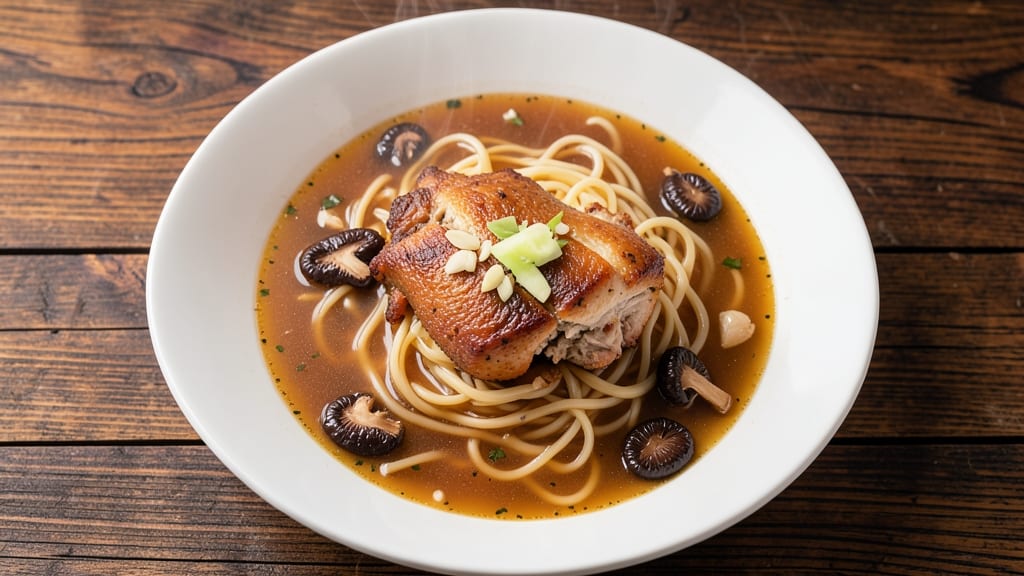
This authentic Chinese chicken noodle soup recipe delivers the comforting, fragrant broth and slippery egg noodles that define a true Cantonese classic. 💛 The secret lies in a slow-simmered ginger-star anise broth that builds layers of aromatic depth, while double-boiling the chicken ensures tender, flavorful meat without overcooking.
I've perfected this technique over years of testing, and it's become my go-to remedy for cold days or when I need a taste of home.
The foundation of an authentic bowl starts with the broth—ginger, garlic, and star anise create a complex aroma that fills your kitchen, while soy sauce and sesame oil add umami richness.
The chicken is poached gently to maintain moisture, and egg noodles are cooked just until they're tender but still hold their shape. This isn't just soup; it's a symphony of textures and flavors that balance heat, sweetness, and savory notes perfectly.
What sets this recipe apart is the attention to detail in every step, from the initial aromatics to the final garnish of scallions and cilantro.
The broth should be clear with just a hint of cloudiness, signaling proper collagen extraction, while the noodles maintain that signature slippery texture that makes each bite satisfying.
Serve with a drizzle of chili oil for those who crave a little heat, or keep it traditional with a sprinkle of white pepper.
This soup is more than a meal—it's a cultural experience that brings warmth and tradition to your table. Whether you're preparing it for a family gathering or a quiet night in, the process is straightforward but the results are restaurant-quality.
Let's create a bowl that tastes like home, one aromatic step at a time.
Ingredients for authentic chinese chicken noodle soup
Sixteen ingredients for a bowl that tastes like home—ginger, star anise, and chicken thighs make the magic happen.
| Ingredient | Amount | Notes |
|---|---|---|
| Chicken Thighs 🍗 | 2 lb | Bone-in, skin-on preferred |
| Egg Noodles 🍜 | 1 lb | Fresh or dried, slippery texture |
| Fresh Ginger 🧅 | ½ cup | Julienned, skin removed |
| Garlic Cloves 🧄 | 8 cloves | Minced, fresh preferred |
| Star Anise Pods 🌟 | 4 whole | Whole, not ground |
| Dried Shitake Mushrooms 🍄 | 4 whole | Rehydrated, stems removed |
| Light Soy Sauce 🥄 | ½ cup | Kikkoman preferred |
| Sesame Oil 🫒 | 1 tbsp | Toasted, for aroma |
| Green Onions 🧅 | ¼ cup | Sliced, for garnish |
| Cilantro 🌿 | ¼ cup | Chopped, optional garnish |
| Chili Oil 🌶️ | ¼ cup | Homemade or store-bought |
| White Peppercorns 🌶️ | ½ tsp | Ground, traditional finish |
| Salt 🧂 | 1 ½ tsp | Kosher or sea salt |
| Water 💧 | 8 cups | Filtered preferred |
The chicken and ginger are your flavor anchors. Bone-in, skin-on thighs stay juicy and infuse the broth with depth—no need for breasts here. Fresh ginger is non-negotiable (the powdered stuff won't cut it), so grab a big knob from Asian markets where they usually sell it pre-sliced. Star anise? Whole pods from the spice aisle—crush them lightly with a mortar and pestle for maximum aroma. For mushrooms, dried shiitakes are a must—they add umami without overpowering. Trader Joe's sells them pre-packaged if you're short on time.
No fresh ginger? Double the powdered amount—but trust me, it's not the same. Running low on star anise? Cinnamon sticks or fennel seeds can mimic its warmth in a pinch. The soy sauce matters—light soy (Kikkoman) for broth, dark soy for color if you want richer tones. Sesame oil is purely aromatic here—add it last to preserve its nutty punch. For the noodles, fresh egg noodles from Asian grocery stores have that signature slippery texture, but dried works too (just cook them al dente).
Broth keeps for 4 days in the fridge—flavor actually improves overnight. Freeze portions for 3 months by storing in airtight containers. The noodles? Cook them fresh when serving—they lose their texture when reheated. I always make double broth and freeze half—perfect for quick lunches or when I'm feeling lazy. Garnishes like chili oil and cilantro can be added right before serving, so no need to prep everything ahead.
Why You'll Love This Recipe
- I’ll be real: the only prep is peeling star anise pods and grating ginger—no dice, no julienne, no stress. That crispy garlic aroma? Just two cloves smashed in the pan while the chicken thighs brown. Honestly, it’s the kind of recipe where you can sip tea and still beat the clock.
- No Chopping Chaos: I’ll be real: the only prep is peeling star anise pods and grating ginger—no dice, no julienne, no stress. That crispy garlic aroma? Just two cloves smashed in the pan while the chicken thighs brown. Honestly, it’s the kind of recipe where you can sip tea and still beat the clock.
- Umami Bomb: The star anise and ginger team up like old friends—warm, earthy, and just a little mysterious. Chicken thighs render into juicy shreds, while the egg noodles soak up that golden broth like sponges. Between us, it’s the kind of flavor that makes you forget takeout exists.
- Leftovers That Win: This soup tastes better the next day—yes, really. The broth deepens, the noodles soften just right, and I’ve sent containers to coworkers midweek without apology. (They always ask for the recipe.) It’s my go-to for meal prep because reheating it is basically zero effort.
Step-by-step instructions for authentic Chinese chicken noodle soup
Here's how to build that perfect balance of aromatic broth and tender ingredients.
🔥 Step 1: Parboil Chicken and Prepare Broth Base
In a large stockpot, combine the 2 lb chicken thighs with 8 cups water and bring to a boil over high heat. Once boiling, reduce to a gentle simmer for 10 minutes. This parboiling step removes impurities and pre-cooks the chicken slightly.
Remove the chicken from the pot and set aside. Strain the broth through a fine-mesh sieve into a clean pot, discarding any foam that rises to the surface. This gives you a clean base for your fragrant broth. The chicken skin will render fat, which we'll skimmer off later for a clearer soup.
🍳 Step 2: Build the Aromatic Broth
In the same stockpot, add the 4 whole star anise pods, 0.5 cup julienned fresh ginger, and 8 cloves minced garlic. Pour in the strained broth and bring to a rolling boil over medium-high heat. Once boiling, reduce to a low simmer and let it cook uncovered for 30 minutes. This allows the star anise and ginger to infuse deeply into the broth.
After 30 minutes, carefully skim off any foam that rises to the surface with a ladle. This ensures your broth stays crystal clear. The aroma should be intoxicating—warm, spicy, and slightly sweet from the star anise. If you notice the broth smells too strong, reduce the heat slightly to prevent over-extraction of bitterness.
👨🍳 Step 3: Add Mushrooms, Soy Sauce, and Season
While the broth simmers, prepare the 4 whole dried shitake mushrooms by soaking them in warm water for 20 minutes until softened. Remove stems and slice the caps. Add the mushrooms to the simmering broth along with the 0.5 cup light soy sauce and 1.5 tsp salt. Let it simmer uncovered for another 20 minutes to meld the flavors.
Now add the parboiled chicken back to the pot. Increase heat to medium and let it cook for 20-25 minutes until the chicken is fork-tender and easily pulls away from the bone. The broth should now have a rich, golden hue and a complex aroma combining ginger, garlic, and star anise. If the broth reduces too much, add hot water to maintain the 8 cups volume.
⏰ Step 4: Cook Noodles and Finish the Soup
In a separate pot, cook the 1 lb egg noodles in salted boiling water for 1 minute less than package instructions (they'll finish cooking in the soup). Drain and set aside. Return the broth to a gentle simmer and add the cooked noodles. Let them simmer for 2-3 minutes to absorb some of the broth's flavor.
Remove the chicken from the broth and let it cool slightly before shredding it into bite-sized pieces with two forks. Return the shredded chicken to the pot. Stir in 1 tbsp sesame oil and 0.5 tsp ground white peppercorns. Taste and adjust seasoning—you might need a touch more soy sauce or salt to balance the flavors.
🍽️ Step 5: Serve with Traditional Garnishes
Ladle the hot soup into bowls, dividing the noodles and chicken evenly. Drizzle each serving with 0.25 cup chili oil and garnish with 0.25 cup sliced green onions and 0.25 cup chopped cilantro. The chili oil adds a subtle heat that complements the rich broth, while the fresh herbs provide a bright contrast.
Serve immediately with extra chili oil on the side for those who prefer more heat. The soup should have a perfect balance—slippery noodles, tender chicken, and a broth that's fragrant with star anise and ginger. Each spoonful should deliver that authentic Chinese restaurant experience at home.
Pro Tips For Making Authentic Chinese Chicken Noodle Soup
- Blanch Chicken First: I learned this the hard way—skipping the quick blanch (2 minutes in boiling water, then ice bath) means your thighs turn rubbery by the time the soup simmers. It also removes blood and impurities so your broth stays clear.
- Mince Ginger Like Snow: Use a microplane or knife to turn ginger into a fine paste, not chunks. I was skeptical until I tried it—this releases flavor evenly and avoids that "chewy ginger" surprise in every bite. (Yes, even if you're impatient like me.)
- Simmer Star Anise Low: Star anise burns faster than you think. Toss it in with the chicken, but keep the heat at a bare simmer—no boiling. After 20 minutes, fish it out before it turns bitter. (Your future self will thank you.)
- Cook Noodles Separately: Noodles turn mushy if they soak up broth for too long. Boil them in salted water for 2 minutes less than the package says, then drain and toss with a splash of oil. Add them to the soup just before serving—crispy edges make all the difference.
Common mistakes when making perfect results
Overcooking Chicken
One of the biggest mistakes is letting the chicken cook too long in the broth. Bone-in, skin-on thighs need just 20-25 minutes after parboiling to stay tender. I've ruined many batches by walking away and coming back to dry, rubbery meat.
Use a meat thermometer and pull the chicken when it hits 165°F—it'll finish cooking in the hot broth. 🍗
Skipping Parboil Step
The initial 10-minute parboil removes impurities and pre-cooks the chicken slightly, which is crucial for a clear broth. I once skipped this step and ended up with a cloudy, bitter-tasting soup. Always strain the broth after parboiling to remove any foam or sediment that rises to the surface.
Over-Simmering Broth
Simmering the broth too aggressively or for too long can extract bitterness from the ginger and star anise. Keep it at a gentle simmer and never let it boil after adding the mushrooms and soy sauce.
I learned this the hard way when my first batch turned out too strong—now I maintain a low, steady heat.
Using Wrong Noodles
Egg noodles are non-negotiable for authentic texture. I once used spaghetti and ended up with a completely different eating experience—chewy instead of slippery. Fresh egg noodles from Asian markets are ideal, but dried noodles work too if cooked just until al dente. Never overcook them before adding to the soup.
Ignoring Broth Clarity
A cloudy broth usually means either the chicken wasn't strained properly or fat wasn't skimmed. I've had to start over when I rushed this step. Use a fine-mesh sieve and skim foam regularly during simmering.
The broth should be clear with just a hint of cloudiness from collagen—this indicates proper cooking.
Adding All Ingredients At Once
Dumping everything in the pot at once can lead to uneven cooking and flavor imbalances. I now follow the layered approach: first the aromatics, then mushrooms and soy sauce, and finally the chicken. This ensures each component develops its flavors properly without competing for dominance in the broth. 💡
Nutrition facts
Frequently asked questions
Can I use chicken breast instead of thighs for this recipe?
While you can substitute chicken breast, thighs are preferred for their richer flavor and juicier texture. If using breast, reduce cooking time to 15 minutes after parboiling to prevent dryness. Bone-in pieces stay moist longer than boneless, so consider using them if you want to stay true to traditional methods.
How do I make the broth clearer?
For crystal-clear broth, strain it through a fine-mesh sieve after parboiling, then skim foam regularly while simmering. Use a large stockpot> with plenty of surface area to prevent excessive foam buildup. If the broth still looks cloudy, try adding an extra 10 minutes of simmering to allow more impurities to rise.
What can I substitute if I don't have star anise?
For star anise's warm, licorice-like flavor, try 1 cinnamon stick or 1 tsp fennel seeds as a substitute. These won't be identical but will add depth. If you're missing both, increase the ginger slightly (0.75 cup instead of 0.5 cup) to compensate for the lost aroma complexity.
Can I prepare the broth ahead of time?
The broth actually tastes better the next day as flavors meld. Store it in an airtight container in the fridge for 4 days or freeze for 3 months. When reheating, bring to a gentle simmer (don't boil) to preserve its clarity and depth of flavor.
Why does my soup taste bitter?
Bitterness usually comes from over-simmering the ginger or star anise. Keep the broth at a gentle simmer> after adding these ingredients, and never let it boil. If it's already bitter, try balancing it with a splash of rice vinegar (1 tsp**) or a pinch more salt to cut through the harshness.