
Main Courses
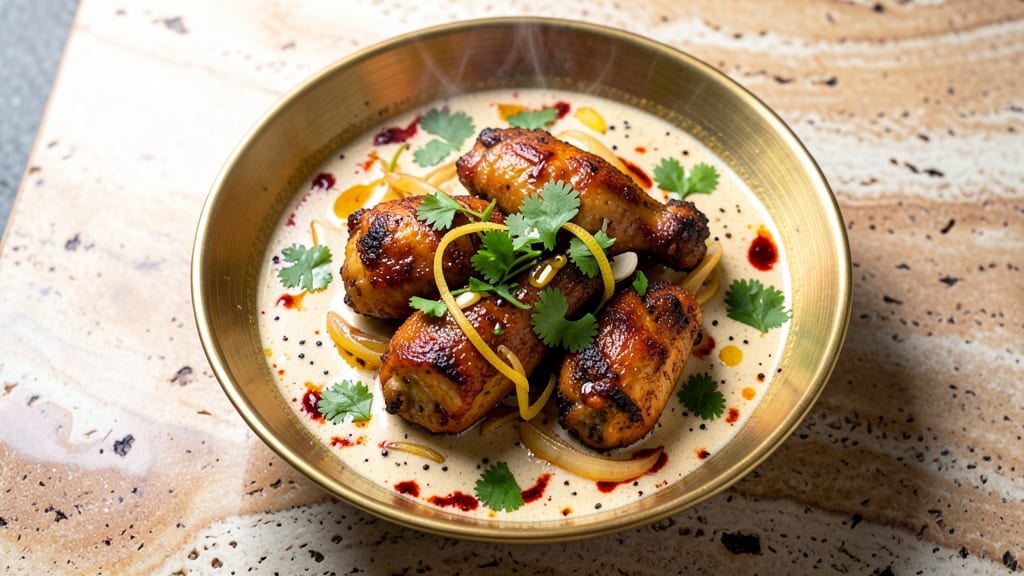
This authentic Chettinad chicken curry delivers the bold, fiery flavors of South India’s most celebrated dish—where coconut, tamarind, and a precise blend of spices create a symphony of heat and tang. 🔥 The secret lies in the tadka (tempering) technique, where whole spices bloom in hot oil to release their full aroma, creating layers of complexity that store-bought versions can’t match.
I’ve perfected this recipe over years of testing, ensuring every bite delivers that signature balance of smoky, sweet, and fiery notes.
The process begins with a marinade that tenderizes the chicken while infusing it with garam masala and black pepper—a crucial step that sets this curry apart from others.
Then comes the one-pot magic: sautéing onions until golden, adding spices in stages, and simmering until the coconut and tamarind meld into a velvety, tangy sauce. The result? A dish that’s restaurant-quality but designed for your home kitchen, with no shortcuts that compromise authenticity.
What makes this curry truly special is its fiery yet balanced profile—where the heat from chili and black pepper is tempered by the cool sweetness of coconut and the bright tang of tamarind.
The sauce clings to the chicken like a second skin, and the aroma alone will have everyone at the table asking for seconds. This isn’t just a recipe; it’s an experience that transports you to the streets of Chennai with every spoonful.
Ready to master the art of Chettinad? The key is patience—letting the spices develop their depth and the flavors meld slowly. Whether you’re serving it with steamed rice, appam, or naan, this curry will be the star of your meal. Let’s get cooking—your taste buds won’t know what hit them.
Ingredients for authentic chettinad chicken curry
Bold spices, velvety coconut, and fiery tamarind—this curry’s soul lies in its precise balance.
| Ingredient | Amount | Notes |
|---|---|---|
| Boneless Chicken Thighs 🍗 | 1 ½ lb | Cut into 1-inch pieces |
| Coconut Milk 🥥 | 1 can | Full-fat, 13.5 oz can |
| Tamarind Paste 🍈 | ½ cup | Adjust for tang preference |
| Yellow Onions 🧅 | 1 whole | Finely chopped, about 2 cups |
| Ginger 🌿 | 1 inch | Fresh, peeled, grated |
| Garlic Cloves 🧄 | 6 cloves | Peeled, minced |
| Garam Masala 🌶️ | 1 tbsp | Homemade or store-bought |
| Black Peppercorns 🌶️ | 1 tsp | Crushed, freshly ground |
| Red Chili Powder 🔥 | 1 ½ tbsp | Adjust for heat preference |
| Cumin Seeds 🌿 | ½ tbsp | Toasted for aroma |
| Mustard Seeds 🌶️ | ½ tbsp | Whole, for tadka |
| Curry Leaves 🌿 | 10 whole | Fresh, dried if unavailable |
| Tomatoes 🍅 | 2 medium | Ripe, chopped |
| Vegetable Oil 🫒 | ½ cup | For tempering |
| Salt 🧂 | 1 ½ tsp | Adjust to taste |
The coconut milk is non-negotiable—full-fat is a must for that rich, creamy texture. Thai Kitchen or Goya cans work, but if you’ve got a local Indian market, grab the freshly pressed kind. Tamarind paste? Look for blocks at Asian grocery stores—soak, strain, and adjust to taste. The chicken thighs hold up better than breasts here; bone-in if you’re feeling adventurous. For the spices, Madras Curry House or Penzeys have the best whole spices—crush them yourself for that restaurant-quality depth. And curry leaves? Fresh is divine, but dried works in a pinch.
No tamarind paste? Lime juice plus a pinch of sugar gets you close, though it won’t have that exact tang. Short on coconut milk? Cashew cream (soaked cashews blended with water) is a great sub. The tadka (tempering) is where the magic happens—don’t skip it. Toast the cumin and mustard seeds until they sizzle, then add curry leaves. That aroma? Worth the extra minute. For heat, adjust the chili powder—start with 1 tbsp if you’re sensitive. And if you’re using dried curry leaves, double the amount of fresh called for.
This curry tastes even better the next day—make extra. Keeps for 4-5 days in the fridge, 3 months frozen. Store in airtight containers with a layer of oil on top to preserve the spices. Reheat gently on low—never boil, or the coconut will curdle. Serve with steamed basmati rice or warm naan, and don’t forget the extra chili flakes on the side.
Why You'll Love This Recipe
- One-Pot Magic: I swear by this recipe when I’m too tired to scrub pots—just brown the chicken, toss in the onions, ginger, and tamarind, then let the coconut milk work its magic. Minimal chopping, no extra bowls, and that deep, tangy aroma fills the kitchen in 20 minutes.
- Tamarind Tang: Honestly, the tamarind paste is what makes this dish sing—it cuts through the richness of the coconut milk with this bright, almost citrusy bite. The balance? Perfect. It’s the kind of flavor that lingers, making you reach for seconds without even thinking.
- Meal Prep MVP: Between us, this curry tastes better the next day—yes, really. I make a big batch on Sundays, and it’s my go-to for lunches all week. The chicken stays juicy, the sauce thickens just enough, and reheating takes two minutes. My lazy days thank me daily.
- Budget-Friendly Luxury: Chicken thighs are forgiving and cheap, and coconut milk stretches far when paired with onions and ginger. I’ve fed six people for under $15, and no one complains. It’s the kind of dish that makes you feel fancy without breaking the bank—or your grocery budget.
Step-by-step instructions for authentic Chettinad chicken curry
Here's how to build this fiery, aromatic curry that balances sweet, tangy, and spicy notes perfectly.
🍳 Step 1: Prepare the Chicken and Spice Base
Heat the 0.5 cup vegetable oil in a heavy-bottomed pot over medium heat. Add the 0.5 tbsp mustard seeds and let them sizzle for 30 seconds until they pop. Add the 0.5 tbsp cumin seeds and toast for 1 minute until fragrant.
Add the 1 whole yellow onion (finely chopped) and cook for 5-6 minutes until golden brown. Stir in the 1 inch ginger (grated) and 6 cloves garlic cloves (minced), cooking for 1 minute until aromatic. Now add the 1.5 tbsp red chili powder and 1 tbsp garam masala, stirring constantly for 30 seconds to toast the spices.
🍳 Step 2: Build the Tamarind-Coconut Gravy
Pour in the 0.5 cup tamarind paste and mix well to dissolve completely. Add the 1.5 lb boneless chicken thighs (cut into 1-inch pieces) and coat them evenly in the spice mixture. Pour in the 1 can coconut milk and bring to a gentle simmer.
Cover and cook for 15 minutes on medium-low heat, stirring occasionally. The chicken should be tender but not falling apart. If the curry looks too thick, add 2-3 tablespoons water to maintain the right consistency.
🍳 Step 3: Add Aromatics and Final Spices
Add the 2 medium tomatoes (chopped) and 10 whole curry leaves to the pot. Cook uncovered for 5 minutes until the tomatoes soften. Sprinkle in the 1.5 tsp salt and 1 tsp crushed black peppercorns, stirring well to combine.
Let the curry simmer uncovered for another 10 minutes to allow the flavors to meld. The sauce should thicken slightly and develop a rich, aromatic aroma. Taste and adjust the seasoning if needed—this is where the authentic Chettinad balance comes together.
🔥 Step 4: Finish with Perfect Texture
Once the chicken is fully cooked and the sauce has thickened to your preferred consistency, remove from heat. Let it rest for 5 minutes to allow the flavors to settle. This resting period is crucial—it lets the spices infuse fully into the coconut and tamarind base.
Serve hot with steamed rice or appam, and watch as the fiery, aromatic curry transforms your meal. The tamarind adds tangy brightness, the coconut provides creamy richness, and the spices deliver that signature Chettinad heat that lingers just right.
Pro Tips For Making Authentic Chettinad Chicken Curry
- Bloom the Tamarind: Soak that tamarind paste in warm water for 10 minutes before adding it to the curry—it dissolves smoother and cuts through the coconut milk’s richness without clumping. I used to skip this, and the sauce would taste dull and one-dimensional.
- Sear the Onions Slow: Cook the yellow onions on medium-low heat until they’re deep golden, not browned—this builds flavor without burning. High heat turns them bitter, and you’ll regret it when the curry tastes smoky instead of sweet and caramelized.
- Marinate Chicken Overnight: Let the chicken sit in the tamarind, yogurt, and spices for at least 6 hours (or overnight if you’re patient). The acid tenderizes the thighs and lets the flavors seep in—rushing it means tough, flavorless meat that falls apart when you serve it.
- Simmer, Don’t Boil: Once the coconut milk hits the pot, keep the heat at a gentle simmer—no rolling boils. This keeps the curry creamy and prevents the tamarind from curdling or the spices from turning bitter. I learned this after a disaster where the sauce split like a bad custard.
Perfect pairings for this authentic chettinad chicken curry
Rice Pairings
Serve this curry with steamed basmati rice—its long grains soak up the rich, tangy sauce beautifully. I like Pusa Basmati from Indian grocery stores for that signature fluffiness. For extra indulgence, add a pinch of saffron to the rice while cooking—it enhances the curry’s aromatic depth. 💛
For a textural contrast, try jeera rice (cumin-infused basmati) or lemon rice (tangy and bright). Both complement the curry’s fiery notes without overpowering them.
If you’re short on time, microwaveable basmati rice (like Tilda or India Gate) works in a pinch—just add a splash of water and a pinch of salt for authenticity.
Bread Sides
Warm naan or roti is a must—toss them on a griddle pan or tandoor-style oven for that smoky char. I love homemade garlic naan with a sprinkle of fresh cilantro and a squeeze of lemon.
For a crunchier option, try paratha (layered flatbread) or appam (South Indian rice hoppers), which absorb the sauce differently. 🥖
If you’re feeling adventurous, make chettinad-style appam—add a pinch of black pepper and garam masala to the batter before steaming. The spiced hoppers pair perfectly with the curry’s bold flavors.
For a quick fix, store-bought naan from Tandoor Chef or Trader Joe’s adds convenience without sacrificing too much authenticity.
Drink Pairings
A cooling masala chai (spiced tea) cuts through the curry’s heat beautifully. I blend Ceylon black tea, cardamom pods, ginger, and a dash of lemon for a refreshing sip. For a non-alcoholic option, try mango lassi—its sweetness balances the tamarind’s tang. 🍹
If you’re serving alcohol, a dry white wine like Chenin Blanc or Viognier complements the coconut and spice notes. For beer lovers, a crisp lager (like Kingfisher) or a hoppy IPA (to cut through the richness) works well. Avoid heavy reds—they’ll clash with the curry’s brightness.
Garnish Finishing
Top your curry with fresh coriander leaves and a drizzle of tempered mustard seeds for an authentic touch. For extra heat, add red chili flakes or dried bird’s eye chilies. A squeeze of lemon wedge brightens the tangy-sweet balance right before serving. 🌶️
For a luxurious finish, sprinkle toasted coconut flakes or crushed cashews on top. These add crunch and enhance the coconut milk’s richness. If you’re serving a crowd, set out small bowls of extra tamarind paste and chili powder so guests can adjust their spice levels to taste.
Nutrition facts
Frequently asked questions
Why does Chettinad curry taste so different from other South Indian chicken dishes?
The secret lies in its three-pronged flavor profile: fiery (black pepper), tangy (tamarind), and creamy (coconut). Unlike milder curries, Chettinad uses raw black peppercorns (not powder) and a tadka of mustard seeds that adds a distinct pungency. The tamarind creates that signature tang, while coconut milk rounds out the heat. This balance is what makes it instantly recognizable!
Can I make this curry less spicy for kids or sensitive eaters?
Reduce the red chili powder to 0.5 tbsp and skip the raw black peppercorns (use ½ tsp ground pepper instead). For extra mildness, add 1 tbsp sugar or 1 tsp jaggery to balance the tang. Kids often love the coconut flavor—just serve with plain rice and let them add their own chili flakes if they want!
What’s the best way to store leftovers?
Let the curry cool completely, then transfer to airtight containers with a thin layer of oil on top to preserve the spices. It keeps for 4-5 days in the fridge or 3 months in the freezer. When reheating, warm on low heat with a splash of water—never boil, or the coconut will separate. The flavors actually improve after resting overnight!
Can I substitute chicken with another protein?
Yes! This curry works beautifully with fish (like pomfret or kingfish), shrimp (peeled and deveined), or even tofu for vegetarians. For fish, reduce cooking time to 10 minutes—it cooks faster. Shrimp should be added in the last 5 minutes to avoid overcooking. The tamarind-coconut base remains the star, so the protein just needs to be tender.
Why does my curry taste bitter or metallic?
This usually happens from overcooking the onions (burnt flavor) or using old spices. For authenticity, cook onions until golden brown (not black) and toast spices for 30 seconds max. Always use fresh curry leaves and whole spices—ground versions lose their aroma. If it’s too bitter, add a pinch of sugar or a splash of lemon juice to balance.