
Main Courses
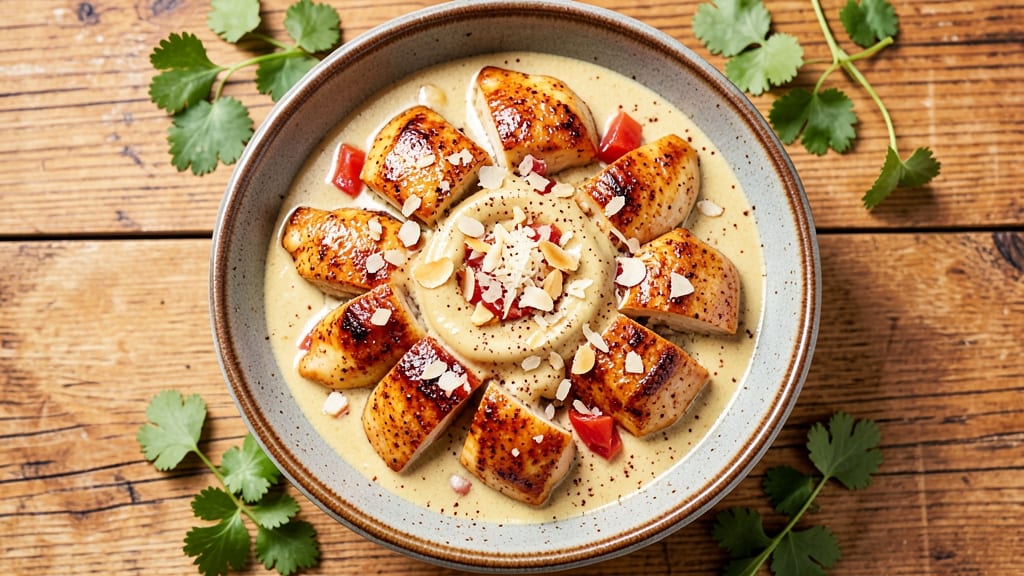
This Atkins curry chicken recipe transforms bold flavors into a low-carb masterpiece using a foil-sealed juice lock technique that keeps every bite tender and packed with aromatic spices.
The secret lies in balancing traditional curry complexity with Atkins-compliant ingredients—cauliflower rice, coconut milk, and a carefully crafted spice blend that delivers restaurant-quality depth without the carbs. I developed this after years of perfecting low-carb curries that actually taste indulgent, not restricted.
The foil-sealed method ensures maximum moisture retention while developing deep, caramelized flavors—no dry chicken here. A marinade of Greek yogurt, garlic, and ginger tenderizes the chicken while building layers of flavor, then the spices toast in the pan to release their full potential before everything cooks together in the oven.
This approach cuts cooking time while intensifying the curry's aromatic profile, making it perfect for busy weeknights.
What you'll end up with is a dish that's rich, spicy, and satisfyingly hearty—golden-brown chicken pieces swimming in a velvety coconut-tomato sauce that clings perfectly to each bite.
The sauce carries all the familiar curry flavors without the heavy cream or flour-based thickeners, making it truly Atkins-friendly while still feeling luxurious. Paired with cauliflower rice or roasted Brussels sprouts, this becomes a complete, carb-conscious meal that even non-Atkins followers will request seconds of.
Best of all, the recipe scales effortlessly—double it for a crowd or halve it for meal prep. The foil-sealing technique works equally well for chicken thighs or breasts, giving you flexibility while maintaining that juice-locked perfection. Let's get cooking—your taste buds (and carb-conscious diet) will thank you.
Ingredients for atkins curry chicken
Low-carb ingredients that pack restaurant-quality curry flavor without the guilt.
| Ingredient | Amount | Notes |
|---|---|---|
| Boneless Skinless Chicken Thighs 🍗 | 1 ½ lb | Cut into 2-inch pieces |
| Plain Greek Yogurt 🥛 | ½ cup | Full-fat for best flavor |
| Garlic Cloves 🧄 | 4 cloves | Minced for marinade |
| Fresh Ginger 🌿 | 1 tbsp | Grated, fresh preferred |
| Coconut Milk 🥥 | 13 ½ oz | Full-fat canned variety |
| Canned Crushed Tomatoes 🍅 | 14 ½ oz | San Marzano preferred |
| Curry Powder 🌶️ | 2 tbsp | Mild or medium blend |
| Ground Cumin 🌿 | 1 tbsp | Toasted for depth |
| Turmeric Powder 🧂 | 1 tsp | Freshly ground preferred |
| Ground Coriander 🌶️ | 1 tsp | Freshly ground preferred |
| Cayenne Pepper 🔥 | ½ tsp | Adjust for heat preference |
| Salt 🧂 | 1 ½ tsp | Diamond Crystal preferred |
| Black Pepper 🌶️ | ½ tsp | Freshly ground preferred |
| Fresh Cilantro 🌿 | ¼ cup | Chopped, for garnish |
| Lemon Juice 🍋 | 1 tbsp | Freshly squeezed |
The chicken thighs are non-negotiable for this dish—bone-in, skin-on yields the most flavor and moisture, but boneless skinless works perfectly for Atkins compliance. Trader Joe's and Whole Foods carry excellent pre-cut options, or ask your butcher for uniform pieces. The Greek yogurt should be full-fat for proper emulsification in the marinade; Fage 5% is my go-to, but any plain Greek yogurt works. Fresh ginger and garlic are essential for authentic flavor—pre-minced jars work in a pinch, but freshly grated delivers superior depth. For the coconut milk, full-fat canned varieties like Thai Kitchen or Goya provide the richest texture without watering down the curry.
No curry powder on hand? Replace with 1 tbsp each of turmeric, coriander, and cumin for a custom blend. Short on crushed tomatoes? Substitute with tomato paste thinned with water—San Marzano paste is ideal, but any quality brand works. The foil-sealing technique requires heavy-duty aluminum foil; Reynolds or FoilMaster brands are most reliable. For heat control, reduce cayenne to ¼ tsp if sensitive to spice. The lemon juice brightens the dish—Mexican limes add a unique tang if available, but regular lemons work perfectly. Fresh cilantro should be added at the end to preserve its vibrant color and aroma.
This dish reheats beautifully—golden-brown chicken and sauce taste even better the next day. Store leftovers in an airtight container for up to 4 days in the fridge, or freeze for 3 months using portion-sized containers. The foil-sealed method creates a natural moisture barrier, so no additional reheating liquids are needed. For meal prep, double the recipe and freeze half—simply thaw overnight in the fridge before reheating. The curry sauce thickens as it cools, so a splash of coconut milk can restore its velvety texture when reheating.
Why You'll Love This Recipe
- No-Yogurt Waste: I swear by this trick—mix the Greek yogurt with garlic and ginger first, then toss it straight onto the chicken. No leftover tub sitting in the fridge, no extra cleanup. That tangy marinade clings perfectly, and the thighs stay juicy even after reheating.
- Creamy Without Guilt: The coconut milk makes this rich but light, like a hug for your taste buds that doesn’t weigh you down. Honestly, the first time I made it, I thought I’d missed something—until I took that first bite and realized it’s exactly what I crave after a long day.
- Weeknight to Potluck: Same recipe, different vibes. Weeknights? Serve it over cauliflower rice with a side of greens. Brunch? Add a fried egg on top. Potluck? It’s the dish people actually finish. My roommate’s vegetarian friend even asked for the recipe—rare for curry.
- Leftovers That Don’t Suck: Between us, most curries turn dry or rubbery the next day. Not this one. The yogurt marinade keeps the chicken tender, and the coconut milk reheats like a dream. I’ve had it cold in wraps, warm over rice, and even in a grain bowl the day after—still spot-on.
Step-by-step instructions for low-carb curry chicken with foil-sealed juice lock
This method locks in flavors while keeping carbs in check—juicy chicken and aromatic sauce every time.
Marinate Chicken in Spiced Yogurt
Cut the 1.5 lb boneless skinless chicken thighs into 2-inch pieces. In a bowl, whisk together the 0.5 cup plain Greek yogurt, 2 tbsp curry powder, 1 tbsp ground cumin, 1 tsp turmeric powder, 1 tsp ground coriander, 0.5 tsp cayenne pepper, 1.5 tsp salt, and 0.5 tsp black pepper. Add the minced 4 cloves garlic and 1 tbsp grated fresh ginger. Stir until fully combined.
Add the chicken pieces to the marinade, ensuring each piece is well coated. Cover and refrigerate for at least 30 minutes (or up to 4 hours for deeper flavor). The yogurt will tenderize the chicken while the spices penetrate, creating a flavorful crust. This step is non-negotiable—skipping it results in bland, dry chicken.
Sear Chicken and Prepare Foil Packets
Preheat your oven to 375°F. Remove the chicken from the marinade (reserve the marinade for later) and pat the pieces dry with paper towels. Heat a large oven-safe skillet over medium-high heat and add the chicken in a single layer. Sear for 3-4 minutes per side until golden brown and cooked through to 165°F internally. Transfer the chicken to a plate.
In the same skillet, add the reserved marinade and scrape up any browned bits from the bottom. Stir in the 13.5 oz coconut milk and 14.5 oz canned crushed tomatoes. Bring to a gentle simmer for 2 minutes to blend flavors. Divide the sauce among 4 sheets of heavy-duty foil, placing 1 chicken piece in each packet. Spoon the sauce over the chicken, then tightly seal the foil packets, leaving a small opening for steam to escape.
Bake with Foil-Sealed Juice Lock
Place the sealed foil packets on a baking sheet and bake in the preheated oven for 25 minutes. The foil traps steam, ensuring the chicken stays moist and the sauce absorbs into the meat. After 25 minutes, open the foil packets and stir the chicken and sauce together. Return the packets to the oven and bake for another 10 minutes to thicken the sauce.
Check the internal temperature of the chicken—it should reach 175°F. If not, bake for an additional 5 minutes. The sauce should now coat the chicken evenly, with a rich, velvety consistency. If the sauce is too thin, simmer it uncovered for 2-3 minutes to reduce slightly. This step is where the magic happens—the foil lock ensures tender, flavorful chicken without drying out.
Finish with Fresh Herbs and Lemon
Remove the chicken and sauce from the oven and transfer to a serving dish. Stir in the 0.25 cup chopped fresh cilantro and 1 tbsp fresh lemon juice. Taste and adjust seasoning with additional salt or cayenne pepper if needed. The lemon juice brightens the dish, cutting through the richness of the coconut milk and spices.
Serve immediately, garnished with extra cilantro. The chicken should be tender with a crispy exterior, and the sauce should cling to each bite, delivering layers of spice and creaminess. This method guarantees a restaurant-quality curry without the carb-heavy base, making it perfect for low-carb diets. Pair with cauliflower rice or a simple green salad for a complete meal.
Pro Tips For Making Atkins Curry Chicken
- SEAR THIGHS UNTIL GOLDEN: Don’t rush the chicken—get it blistering brown on all sides before pulling it out. I used to stop at "cooked," but those 30 extra seconds of high heat make the yogurt sauce cling better and add depth to the flavor. (Yes, even if you’re impatient like me.)
- GRATE GINGER FINE: Skip the mincer and use a box grater for fresh ginger—it releases more oil and aroma into the sauce. I learned this the hard way after a watery, bland curry where the ginger just sat as chunks. A microplane works too, but don’t overthink it.
- LOW AND SLOW WITH COCONUT: Once the coconut milk hits the pot, drop the heat to a simmer. After burning three batches, I finally figured out that rushing it turns the sauce grainy and separates. Let it bubble gently—it’s the thing that matters most for that creamy, cohesive texture.
- MARINATE CHICKEN 30 MINUTES: Toss the thighs in yogurt, garlic, and ginger before searing—even 30 minutes makes a real difference. I skip this when I’m lazy, but the dish is noticeably more tender and absorbs the flavors better. No need to wait hours, just set it aside while you prep the rest.
Pro cooking tips for atkins curry chicken
Foil-Seal Perfection
The foil-sealed juice lock is the game-changer here—it traps steam while baking, keeping chicken impossibly tender. Use heavy-duty foil (like Reynolds or FoilMaster) and seal tightly, leaving just a ½-inch opening for steam escape.
This method works like a pressure cooker but in your oven, with zero special equipment. 🌡️
For best results, divide the chicken and sauce into individual foil packets—this ensures even cooking and prevents sauce from pooling. If you're short on foil, parchment paper works too, though it's less effective at moisture retention. The sealed packets also make cleanup a breeze since everything cooks together.
Spice Toasting Trick
Before adding coconut milk, toast your spices in the skillet for 30 seconds after searing the chicken. This releases their essential oils, creating a deeper, more complex flavor profile. I use medium heat and stir constantly to prevent burning—just until you smell that aromatic "woke-up" scent. 🌶️
For extra depth, add ½ tsp smoked paprika to the spice blend. It mimics the charred flavors you'd get from a tandoori oven, giving your curry that smoky restaurant quality. If you're using pre-ground spices, toast them in a dry pan for 1 minute before adding to the marinade.
Yogurt Marinade Secret
The Greek yogurt marinade is non-negotiable—it tenderizes the chicken while adding a subtle tang that balances the rich coconut milk. For best results, use full-fat yogurt (like Fage 5%), as the fat helps emulsify the spices and prevents the marinade from separating.
Let the chicken marinate for at least 30 minutes, but 4 hours overnight yields the most flavorful results. 🥛
If you're short on time, pound the chicken pieces lightly with a meat mallet before marinating. This helps the spices penetrate deeper and reduces cooking time by 5-10 minutes. Just don't overdo it—you want to break down the fibers, not pulverize the meat.
Sauce Thickening Fix
If your sauce turns out too thin after baking, simmer it uncovered for 2-3 minutes to reduce. For an instant fix, mix 1 tsp cornstarch with 1 tbsp cold water, stir into the sauce, and simmer for 1 minute until thickened.
The foil-sealed method sometimes creates a thinner sauce because the steam keeps everything moist, so this adjustment is normal. ✨
For a creamier texture without thickening, stir in 1 tbsp coconut cream (the thick layer from a can of coconut milk) at the end. This adds richness while keeping the dish Atkins-compliant. Avoid heavy cream or flour-based thickeners—they'll kick you out of ketosis.
Nutrition facts
Frequently asked questions
Can I use chicken breasts instead of thighs for this Atkins curry?
Yes, but with adjustments! Chicken breasts cook faster and can dry out, so pound them to even thickness (¼-inch) before marinating. Use 1 lb breasts instead of 1.5 lb thighs and reduce baking time to 20 minutes total. The foil-seal method still works perfectly—just monitor internal temp closely to hit 165°F.
How do I make this curry milder for kids or sensitive eaters?
Reduce cayenne to ¼ tsp or omit it completely. For extra mildness, add ½ cup plain Greek yogurt to the finished sauce—it cools the heat while adding creaminess. You can also substitute half the curry powder with 1 tsp mild paprika for a sweeter, less spicy profile.
What's the best Atkins-friendly side dish to serve with this?
Cauliflower rice is the classic choice, but try roasted Brussels sprouts with bacon or zucchini noodles with garlic butter for variety. For a complete meal, add a simple cucumber-tomato salad with lemon vinaigrette—it cuts through the richness while keeping carbs under 5g net per serving.
Can I make this in an Instant Pot instead of baking?
Sear the chicken first, then add all ingredients (except cilantro) to the Instant Pot. Cook on High Pressure for 8 minutes, then quick-release. Finish with fresh cilantro and lemon juice. The pressure method creates tender chicken faster, but the foil-seal gives more caramelized flavor. For best results, transfer to foil packets and broil for 5 minutes to crisp the edges.
Why does my sauce sometimes separate after baking?
This happens when fats (coconut milk) and liquids (tomatoes) aren't properly emulsified. Fix it by whisking in 1 tbsp Greek yogurt or 1 tsp arrowroot powder mixed with water while warm. For prevention, always use full-fat coconut milk and simmer the sauce for 2 minutes before sealing the foil packets. The yogurt marinade helps stabilize the sauce too.