
Sauces & Condiments
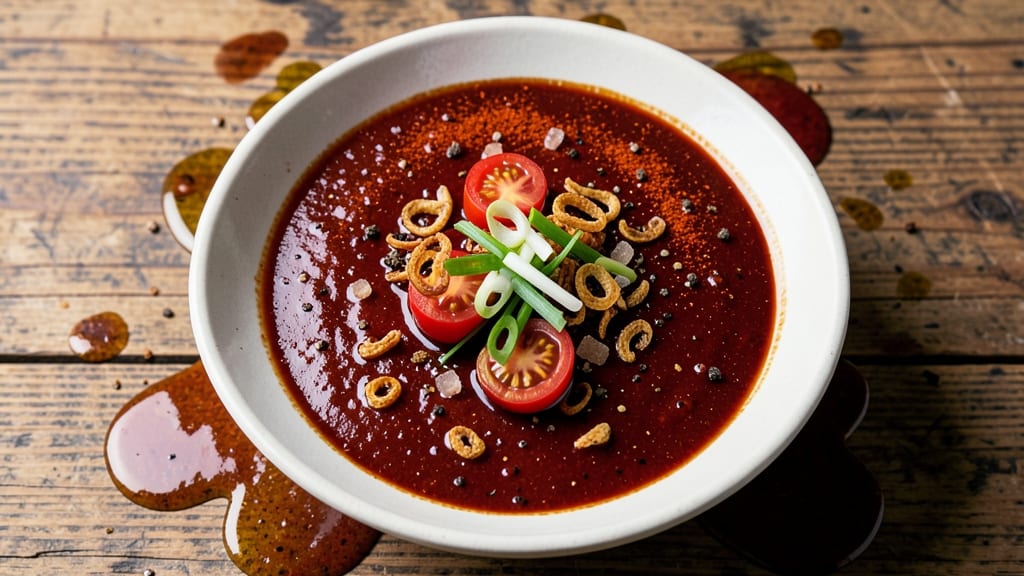
Asad's hot chicken sauce is the secret weapon behind Nashville's legendary spicy fried chicken—smoky, tangy, and packed with cayenne heat that clings to every bite like a second skin. This isn't your average hot sauce; it's a complex blend of vinegar, spices, and slow-simmered depth that transforms ordinary fried chicken into an addictive experience. The key lies in balancing the fire with just enough sweetness and acidity to make each drop irresistible.
What sets this sauce apart is the careful layering of flavors: cayenne for heat, smoked paprika for depth, and a touch of brown sugar to mellow the burn.
I developed this recipe after perfecting the technique of basting chicken repeatedly during frying, ensuring the sauce penetrates the crispy crust and infuses the meat with its signature smoky tang. The result? A sauce so good, you'll want to drizzle it on everything from wings to fries.
This isn't just a condiment—it's a flavor bomb that elevates any dish it touches. The sauce keeps beautifully in the fridge for up to two weeks, so you can make a big batch and have it ready whenever cravings strike.
Whether you're basting chicken, dipping wings, or finishing off a plate of fries, this sauce delivers the perfect balance of heat, smokiness, and tang that defines Nashville's hot chicken culture.
The beauty of this recipe is its versatility. Use it as a finishing sauce for fried chicken, a dipping sauce for wings, or even a marinade for grilled meats.
The instructions are straightforward, but the flavor development happens through patience—letting the spices bloom and the vinegar mellow into a cohesive, complex sauce. Once you taste the difference, you'll never go back to store-bought.
Ingredients for asad's hot chicken sauce
Nine ingredients. One sauce. Nashville heat in every drop—smoky, tangy, and packed with cayenne kick.
| Ingredient | Amount | Notes |
|---|---|---|
| Apple Cider Vinegar 🍏 | 1 ½ cups | Raw, unfiltered preferred |
| Cayenne Pepper 🌶️ | 2 tbsp | Adjust for desired heat level |
| Smoked Paprika 🌶️ | 2 tbsp | High-quality for smoky depth |
| Brown Sugar 🍚 | ½ cup | Light or dark works fine |
| Garlic Cloves 🧄 | 6 cloves | Fresh, peeled, and minced |
| Onion Powder 🧅 | 1 tbsp | Freshly ground preferred |
| Ground Black Pepper 🌶️ | 1 tbsp | Freshly cracked for best flavor |
| Salt 🧂 | 1 ½ tsp | Kosher or sea salt |
| Fresh Ginger Root 🌿 | 1 tbsp | Finely grated, fresh preferred |
| Water 💧 | 1 cup | For thinning if needed |
The vinegar is non-negotiable—apple cider vinegar has the perfect balance of tang and complexity. Trader Joe's or Whole Foods carry great raw, unfiltered options that add depth. Cayenne is where the magic happens, so grab a hot variety if you want serious heat. I always double-check the smoked paprika label for quality—Penzeys or McCormick are solid choices. Fresh ginger and garlic are worth the extra minute to prep; their brightness cuts through the heat beautifully. The brown sugar might seem odd, but it’s essential for rounding out the sauce’s sharp edges—light or dark works.
No cayenne? Red pepper flakes at half the amount will get you close, but the heat won’t be as precise. Swap the apple cider vinegar for white vinegar or red wine vinegar in a pinch, though the flavor won’t be identical. Short on fresh ginger? Ground ginger at one-third the amount works, but fresh is always better. The sauce thickens as it cools, so if it’s too thick while simmering, add a splash of water or vinegar. For extra smokiness, a dash of liquid smoke can be added at the end—just don’t overdo it.
This sauce keeps for up to 2 weeks in the fridge, so make a big batch. Store it in a glass jar with a tight seal to preserve the flavors. The longer it sits, the better it gets—flavors meld and deepen over time. If it thickens too much, stir in a little water or vinegar to loosen it up. Trust me, you’ll want to keep this on hand for everything from wings to fries.
Why You'll Love This Recipe
- Five-Ingredient Magic: I swear, this sauce comes together faster than I can say "hot chicken." Just toss those five pantry staples—vinegar, cayenne, paprika, sugar, and garlic—into a pot and let them simmer. No chopping, no fuss, just pure flavor waiting to happen.
- Smoky-Sweet Heat: That balance of smoky paprika and tangy vinegar? Chef’s kiss. The brown sugar mellows the cayenne just enough to make it addictive, while the garlic cloves infuse deep, savory warmth. It’s the kind of sauce that makes you reach for seconds without thinking.
- Weeknight Hero: Between us, this is my go-to for lazy Tuesdays or game-day snacks. Drizzle it on fried chicken, toss it with pasta, or even slather it on sandwiches—it turns everything into an instant crowd-pleaser. (Yes, even my picky teenager asks for it now.)
- Stays Fresh Forever: Make a big batch on Sunday, and you’ll still have sauce left when you’re craving it three weeks later. The vinegar keeps it from spoiling, and the sugar helps it thicken slightly over time—so it’s always ready for whatever you’re cooking. Budget-friendly? Absolutely. Waste-free? Even better.
Step-by-step instructions for Asad's hot chicken sauce
Here's how to craft a sauce with bold, smoky heat that clings to every bite.
Combine Dry Ingredients for Maximum Flavor
In a medium bowl, whisk together the 2 tablespoons smoked paprika, 2 tablespoons cayenne pepper, 1 tablespoon onion powder, 1 tablespoon ground black pepper, 1.5 teaspoons salt, and 0.5 cup brown sugar. This dry blend forms the aromatic backbone of the sauce. I like to use a fine-mesh sieve to sift the spices over the sugar first - this helps distribute the heat evenly and prevents clumping. The sugar will help balance the sharpness while caramelizing slightly during cooking.
Real talk: don't skip the sifting. Uneven distribution means some bites will be overwhelmingly hot while others taste bland. Give it a good stir with a whisk or fork until the mixture looks uniformly colored and free of any dry spots. Set this aside for now - we'll add it to the vinegar base next.
Infuse the Vinegar Base with Aromatics
In a heavy-bottomed saucepan, combine the 1.5 cups apple cider vinegar, 6 minced garlic cloves, 1 tablespoon finely grated fresh ginger root, and 1 cup water. Bring this mixture to a gentle simmer over medium heat, then immediately reduce to low heat. The reason for the low heat is to prevent the vinegar from boiling vigorously - we want to coax out those aromatic oils from the garlic and ginger without letting them burn.
Let this infusion cook uncovered for 15-20 minutes, stirring occasionally. You'll notice the liquid darkens slightly and develops a rich, fragrant aroma. This is where the magic happens - the acidity of the vinegar extracts all the pungent, spicy goodness from the fresh aromatics. If you smell something burning, reduce the heat even lower. The garlic should be completely soft but not browned.
Build the Sauce with Heat and Depth
Carefully pour the dry spice mixture into the simmering vinegar infusion while stirring continuously. The sauce will darken immediately and develop a thick, syrupy consistency. Increase the heat to medium-low and let it cook for 10-12 minutes, stirring frequently to prevent sticking. You're looking for the sauce to reduce slightly and coat the back of a spoon - this indicates the flavors are melding together beautifully.
Here's where it gets fun - taste and adjust. If the sauce needs more heat, add another ½ teaspoon cayenne pepper. For more depth, stir in an extra ½ teaspoon smoked paprika. Remember, the sauce will thicken more as it cools, so don't worry if it looks a bit loose at this stage. The key is balancing the sweetness from the brown sugar with the sharp heat from the cayenne.
Simmer to Perfection and Strain
Continue cooking the sauce for another 5-7 minutes until it reaches your desired consistency. For a thicker sauce, keep it at medium-low heat until it reduces to a glossy, syrupy texture. For a thinner sauce that clings beautifully to fried chicken, stop when it's still slightly pourable. The sauce should smell like a perfect storm of smoky, spicy, slightly sweet heat - that's your cue it's ready.
Once satisfied with the texture, remove the pan from heat and let the sauce sit for 5 minutes. Then, strain it through a fine-mesh sieve into a clean bowl or jar, pressing gently on the solids to extract every last drop of flavor. This step removes any lingering garlic or ginger bits that might make the sauce too textured, giving you that silky, clingy consistency that makes this sauce so special.
Cool and Store for Maximum Flavor Development
Let the strained sauce cool completely at room temperature, then transfer it to a clean glass jar with an airtight lid. The sauce will continue to develop in flavor as it cools - this resting period allows all the components to truly meld together. I like to let it sit overnight before using it for the first time, as this is when the flavors really come together in harmony.
When ready to use, give the sauce a good stir before drizzling generously over your hot chicken. The sauce should be vibrant red-orange in color with a glossy sheen. If it thickens too much after refrigeration, simply whisk in 1-2 teaspoons water to restore the perfect consistency. This sauce keeps well in the refrigerator for up to 2 weeks, making it perfect for batch cooking ahead of your next Nashville hot chicken feast.
Pro Tips For Making Asad'S Hot Chicken Sauce
- Simmer Slow and Steady: Let the sauce bubble gently for at least 15 minutes after adding vinegar—rushing it leaves raw garlic and a thin, vinegary finish. I used to crank the heat and end up with a sharp, unfinished sauce; low and slow lets the flavors meld.
- Toast the Garlic First: Lightly brown your garlic cloves in a dry pan for 1-2 minutes before adding them to the sauce—it deepens their flavor and cuts the bitterness. Skipping this step means your sauce will taste more like raw garlic than caramelized richness.
- Balance the Heat Early: Add half the cayenne pepper first, taste the sauce, then adjust. Too much heat upfront can’t be fixed later, and you’ll regret it when the sweetness can’t compete. Start conservative, then build.
- Use Raw Sugar for Gloss: Swap half the brown sugar for granulated—it dissolves faster and gives the sauce a glossy finish. I learned this after struggling with clumpy, dull sauces; the texture changes completely.
Regional styles of this dish
Nashville's Original
This sauce was born in Nashville, Tennessee, where it became the signature flavor of the legendary Prince's Hot Chicken Shack in the 1930s. The original recipe was created by Prince's founder, Thornton Prince, who wanted to add extra heat and smokiness to his fried chicken.
The sauce became so popular that it inspired the entire Nashville hot chicken movement. 🌶️
What makes this version authentic is the balance of apple cider vinegar (for tang), smoked paprika (for depth), and cayenne (for heat). Traditional recipes often use a dry rub on the chicken first, then baste it repeatedly with the sauce during frying.
This creates that signature crispy crust with a sticky, spicy glaze. The sauce is typically served on the side for dipping, but purists insist on basting it directly onto the chicken.
Carolina Heat Twist
While Nashville focuses on smoky, tangy heat, Carolina-style hot chicken takes the sauce in a slightly different direction by adding a touch of mustard powder and a pinch of cayenne-infused honey for a sweeter, slightly funkier profile.
In South Carolina, you'll often find the sauce used as a marinade for pulled pork or as a dipping sauce for shrimp and grits. The key difference is the honey or brown sugar content, which is often increased to balance the heat.
For a Carolina-inspired adaptation, add 1 tablespoon of honey to the finished sauce and let it simmer for an extra 5 minutes to caramelize. This creates a glossier, slightly sweeter sauce that pairs beautifully with Carolina-style fried chicken, which is often coated in a cornmeal-based batter rather than flour.
The extra sweetness also complements the peanut sauce often served alongside it in the Carolinas.
Texas-Style Spice
In Texas, hot chicken sauce often gets a bigger kick with the addition of chipotle powder or ground chipotle peppers for a deeper, earthier smokiness.
Texas chefs also tend to use more cayenne (up to 3 tablespoons) and sometimes a splash of lime juice at the end to brighten the flavors. This version is perfect for Texas-style fried chicken, which is often brined overnight for extra juiciness.
For a Texas-style twist, replace 1 tablespoon of the smoked paprika with 1 tablespoon of chipotle powder and add 1 teaspoon of lime juice after straining the sauce.
The lime juice adds a zesty finish that cuts through the richness of Texas-style fried chicken, which is often double-dredged in buttermilk and flour for an extra-crispy crust. Serve this sauce with Texas toast or fried green tomatoes for a true Lone Star state experience.
Modern Fusion Adaptations
Today, chefs across the country are putting their own spin on Asad's hot chicken sauce. Some add a dash of liquid smoke for extra depth, while others incorporate fruit purées like mango or pineapple to create a sweet-and-spicy fusion sauce.
These modern versions work beautifully as glazes for grilled meats or dipping sauces for seafood.
For a fusion twist, blend ½ cup of mango purée into the finished sauce and simmer for 10 minutes to meld the flavors. This creates a sweet, tropical heat that pairs perfectly with grilled shrimp skewers or fried catfish.
Another popular adaptation is adding a splash of hot sauce (like Tabasco or Cholula) at the end for an extra layer of complexity. These modern versions prove that while the original recipe is iconic, the possibilities for creativity are endless. 💫
Nutrition facts
Frequently asked questions
How do I adjust the heat level in this sauce?
Start with the 2 tablespoons of cayenne pepper as written, then taste as you simmer. For milder heat, reduce by ½ teaspoon at a time. For extra fire, add up to 1 additional teaspoon—but go slow! The sauce will intensify as it cools.
Can I make this sauce without fresh ginger or garlic?
Swap 1 tablespoon fresh ginger for 1 teaspoon ground ginger (though fresh is better). For garlic, use 2 teaspoons garlic powder, but the flavor won't be as bright. The vinegar infusion will still work—just expect slightly less complexity.
Why does my sauce look too thick after refrigerating?
The sauce naturally thickens as it cools—this is normal! Thin it with 1-2 teaspoons water or vinegar while stirring. For a glossier finish, warm the sauce gently before thinning. Pro tip: Store it in a glass jar to prevent texture changes.
How should I use this sauce on fried chicken?
For authentic Nashville style, baste the chicken with the sauce 3-4 times during frying (after the first 3 minutes). For dipping, serve it warm in a small bowl with toothpicks. The sauce also works as a marinade for 2-4 hours before grilling or frying.
Can I make this sauce in a slow cooker?
Yes! Combine all ingredients in a slow cooker on LOW for 3-4 hours, stirring occasionally. The low heat prevents burning and lets flavors meld gently. Strain before storing. Perfect for hands-off prep!