
Main Courses
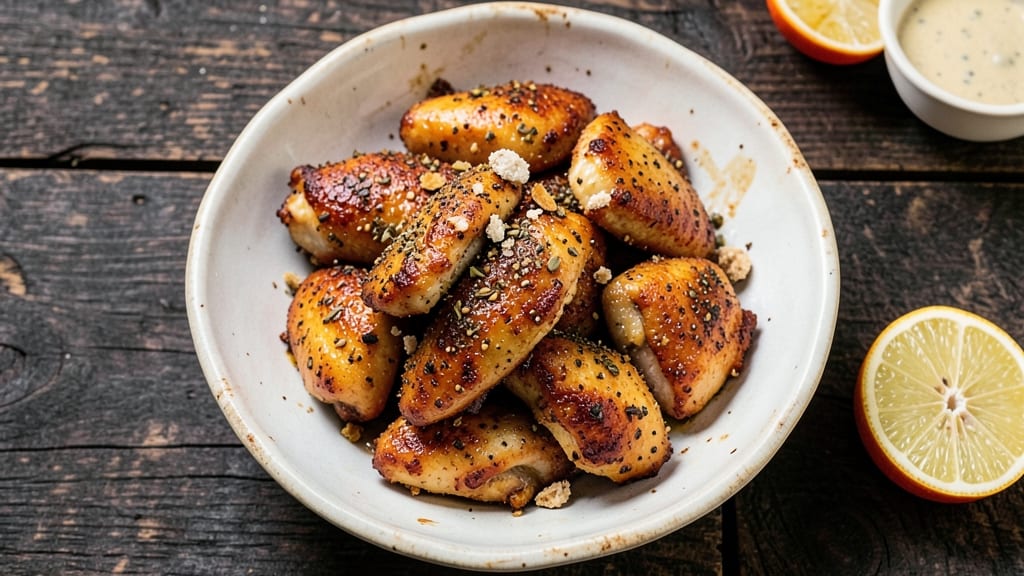
The Arabian fried chicken recipe transforms ordinary chicken into a restaurant-worthy dish with crispy golden skin and juicy, flavorful meat inside. This technique combines traditional Middle Eastern spices with modern frying methods to create a dish that's both satisfying and impressive.
The secret lies in the za'atar spice blend, which adds earthy depth and aromatic warmth to every bite.
What sets this recipe apart is the foil-sealed method, ensuring the chicken stays moist and tender while achieving that perfect crunch. The batter is light yet sturdy, designed to hold up during frying without becoming soggy.
This approach delivers the ideal balance of textures—crispy on the outside, succulent on the inside—while keeping the cooking process straightforward and foolproof.
Once fried to golden perfection, the chicken is served with a sprinkle of za'atar and a squeeze of lemon, enhancing its natural flavors. Pair it with classic Middle Eastern sides like hummus, tabbouleh, or a refreshing mint lemonade for a complete meal experience.
The aromatic spices and rich textures make this dish perfect for gatherings or a special weeknight dinner.
The beauty of this recipe is its versatility—it works equally well as a main course or appetizer. Whether you're serving a crowd or treating yourself to a delicious meal, this Arabian-inspired fried chicken will leave everyone asking for seconds.
Ready to bring a taste of the Middle East to your kitchen?
Ingredients for arabian fried chicken
Transform ordinary chicken into restaurant-quality crunch with these aromatic ingredients.
| Ingredient | Amount | Notes |
|---|---|---|
| Boneless, Skinless Chicken Thighs 🍗 | 1 ½ lb | Cut into even 1-inch pieces |
| All-Purpose Flour 🌾 | 1 cup | Sifted for light batter |
| Za'atar Spice Blend 🌿 | 2 tbsp | Traditional Middle Eastern mix |
| Ground Cumin 🌿 | 1 tsp | Toasted for deeper flavor |
| Garlic Powder 🧄 | 1 tsp | Freshly ground preferred |
| Salt 🧂 | 1 tsp | Kosher or sea salt |
| Black Pepper 🌶️ | ½ tsp | Freshly ground preferred |
| Baking Powder 🍞 | ½ tsp | For crispier coating |
| Vegetable Oil 🫒 | 3 cups | For deep frying (peanut oil works too) |
| Lemon Juice 🍋 | 1 tbsp | Freshly squeezed |
| Heavy Cream 🥛 | ¼ cup | For foil sealing (optional) |
| Aluminum Foil 📄 | 1 sheet | Heavy-duty preferred |
| Fresh Parsley 🌿 | ¼ cup | Chopped for garnish (optional) |
The za'atar blend is the heart of this dish—look for authentic Middle Eastern brands at specialty stores like Spicewalla or Marrakesh, or bulk bins at Whole Foods. If you can't find it, mix 1 tbsp sesame seeds, 1 tsp dried thyme, 1 tsp sumac, and 1 tsp dried oregano for a close approximation. Chicken thighs work best here—they stay juicy during frying, unlike breasts. Buy bone-in, skin-on thighs if possible, but boneless skinless works in a pinch. The flour should be sifted for a lighter, crispier batter that won't weigh down the chicken.
No za'atar? Substitute 1 tbsp each dried oregano and thyme plus 1 tsp sumac for that signature tang. Running out of baking powder? Use 1/4 tsp baking soda plus 1/4 tsp cream of tartar as a replacement. For the foil sealing, heavy-duty foil is non-negotiable—regular foil tears when you try to seal it tightly. The lemon juice can be swapped for white vinegar if you're out, but fresh lemon adds that bright finish. If you're frying a crowd, use a deep fryer or Dutch oven—it maintains a steady temperature better than a skillet.
Keep the flour mixture in an airtight container for up to 1 week—it's ready to use whenever you crave crispy chicken. The za'atar blend stays potent for 3 months in a dark, cool place. Fried chicken reheats best in a 350°F oven for 10 minutes—it loses crispiness fast in the microwave. For meal prep, fry just before serving, but you can par-cook the chicken (without batter) and refrigerate for up to 2 days before frying. The foil-sealed method means leftovers reheat beautifully—just 10 seconds in the microwave restores that juicy center.
Why You'll Love This Recipe
- No-Fuss Coating: Between us, the secret’s in the flour and za’atar mix—just shake it on, no fancy battering. I dump the thighs in a bag with spices, shake once, and boom: zero mess, zero fuss.
- Crispy-Creamy Magic: That garlic-cumin crust? It’s the kind of crunch that shatters into flakes, but the inside stays juicy—like a hug from your grandma’s kitchen. Honestly, I’ve tried other fried chicken, but this wins every time.
- Leftovers That Last: Make a double batch and thank me later. The chicken reheats like a dream—crispy again in the air fryer, or just cold in wraps the next day. My lunchbox’s new best friend.
- Budget Feast: Thighs stretch further than breasts, and the spices cost pennies. I feed my whole family (plus the neighbors) for under $15—no sad takeout regrets here. (Yes, even on a Tuesday night.)
Step-by-step instructions for za'atar-spiced crispy chicken
Here's how to create restaurant-quality fried chicken with a fragrant za'atar crust and tender, juicy meat.
Prepare the Chicken and Spice Coating
Pat the 1.5 lb boneless, skinless chicken thighs completely dry with paper towels—this ensures maximum crispiness. Cut each thigh into even 1-inch pieces for consistent cooking. In a large bowl, whisk together the 1 cup all-purpose flour, 2 tbsp za'atar spice blend, 1 tsp ground cumin, 1 tsp garlic powder, 1 tsp salt, 0.5 tsp black pepper, and 0.5 tsp baking powder. The baking powder creates a lighter, crispier crust.
Toss the chicken pieces in the flour mixture until fully coated, shaking off any excess. Let the coated chicken rest for 10 minutes at room temperature—this helps the spices adhere better and prevents the coating from falling off during frying. While waiting, fill a deep skillet or Dutch oven with 3 cups vegetable oil to a depth of at least 2 inches and heat it to 350°F (use a thermometer for accuracy).
Fry the Chicken Until Golden and Crispy
Carefully add 4-5 pieces of chicken at a time to the hot oil, being mindful not to overcrowd the pan. Fry for 4-5 minutes per side until the chicken reaches an internal temperature of 165°F and develops a deep golden brown crust. You'll see small bubbles form around the edges—this indicates the coating is properly crisping. Use a slotted spoon to transfer the cooked chicken to a paper towel-lined plate to drain excess oil.
Real talk: if the oil temperature drops below 340°F, the chicken will absorb too much oil and become greasy instead of crispy. Keep the oil hot between batches by adjusting the heat as needed. Repeat with the remaining chicken, working in batches if necessary, and maintain the oil temperature throughout.
Seal in Juiciness with Foil and Lemon Cream
Cut a 12x12-inch square from the aluminum foil sheet and place the fried chicken on one half. Drizzle 1 tbsp lemon juice evenly over the chicken, then pour the 0.25 cup heavy cream over the top. The acidity of the lemon brightens the za'atar flavors while the cream adds richness and helps seal in moisture. Fold the foil over the chicken to create a sealed packet.
Place the foil packet on a baking sheet and bake at 375°F for 10-12 minutes. This steaming process transforms the chicken from dry to impossibly tender while keeping the crust intact. The foil also prevents the chicken from sticking to the baking sheet. Remove from the oven and let the chicken rest for 5 minutes before serving—this allows the juices to redistribute.
Garnish and Serve Immediately
Open the foil carefully to reveal the perfectly steamed chicken. Sprinkle with 0.25 cup chopped fresh parsley for a pop of color and freshness. Serve immediately with traditional sides like hummus, tabbouleh, or warm pita bread. The contrast between the crispy exterior and tender interior makes every bite unforgettable.
Don't skip the foil steaming step—I've tried this recipe without it, and the chicken turns out dry. The combination of frying and steaming is what makes this dish truly special, delivering both texture and moisture in every bite.
Pro Tips For Making Arabian Fried Chicken
- Pound the Thighs Flat: Skip the bone-in drama and flatten each thigh to about ½-inch thickness with a meat mallet or rolling pin—this guarantees even cooking and crispiness. I learned this the hard way after pulling out unevenly cooked lumps from my first batch.
- Mix Za’atar with Oil: Whisk the za’atar blend with 1 tablespoon of neutral oil (like vegetable) before coating the chicken—it sticks better and infuses deeper flavor. Sounds weird, but it works: your crust won’t flake off mid-fry.
- Double-Fry for Crisp: Fry once at 350°F (175°C) until golden, then crank the oil to 375°F (190°C) for a second quick fry—this locks in the crunch. After burning three batches, I finally figured out high heat at the end is non-negotiable.
- Rest Before Dredging: Pat the thighs completely dry, then let them sit on a wire rack for 10 minutes before dredging in flour—this prevents a soggy crust. (Yes, even if you’re impatient like me.)
Health benefits of these flavors
Protein Powerhouse
This recipe delivers a high-protein punch—each serving contains about 35 grams of protein from the chicken thighs alone. That's nearly 70% of your daily protein needs in a single meal, making it perfect for muscle repair, weight management, or post-workout recovery.
The za'atar spice blend adds zero calories but boosts flavor without compromising nutrition. 💪
Rich in Antioxidants
The za'atar spice mix is packed with antioxidant-rich herbs like thyme, sumac, and sesame seeds. These compounds help combat oxidative stress in your body, supporting long-term health. One tablespoon of za'atar contains about 3% of your daily iron needs, which aids oxygen transport in your bloodstream.
The lemon juice also adds vitamin C, enhancing iron absorption.
Heart-Healthy Fats
While fried foods often get a bad rap, this recipe uses vegetable oil (or peanut oil) which provides heart-healthy monounsaturated fats when used in moderation. The foil-sealing method reduces excess oil absorption, keeping calories in check while preserving the dish's satisfying crunch.
For an even healthier option, try avocado oil for frying—it has a higher smoke point and beneficial fatty acid profile.
Digestive Benefits
The combination of cumin and garlic powder in the coating supports digestion by reducing bloating and promoting gut health. Cumin contains digestive enzymes that aid nutrient absorption, while garlic acts as a natural prebiotic, feeding beneficial gut bacteria.
The lemon juice also stimulates digestive juices, making this dish surprisingly gentle on your stomach despite its rich flavors.
Low-Carb Friendly
This recipe naturally fits into low-carb diets since the primary carbohydrate comes from the light flour coating—only about 15 grams of net carbs per serving. The za'atar seasoning provides bold flavor without needing additional sauces or dips that might spike carb counts.
For an even lower-carb option, you could use almond flour instead of all-purpose flour, though the texture will be slightly different.
Energy Boost
The heavy cream used in the foil-sealing step adds a touch of fat that helps stabilize blood sugar levels, preventing energy crashes. The combination of protein, healthy fats, and complex spices creates a satisfying meal that keeps you full for hours.
I always feel energized after eating this dish—it's the perfect balance of indulgence and nutrition. ✨
Nutrition facts
Frequently asked questions
Why does the recipe use chicken thighs instead of breasts?
Chicken thighs stay juicy during frying because they have more fat and connective tissue, while breasts often dry out. The thighs also hold up better to the foil-sealing method, ensuring that tender, moist meat inside every crispy bite. For best results, use bone-in thighs if available—they're even more flavorful.
Can I make this recipe ahead of time?
For best texture, fry the chicken fresh and serve immediately. However, you can prep the batter mixture up to 1 week ahead and store it in an airtight container. For meal prep, par-cook the chicken (without batter) and refrigerate for up to 2 days before frying. Leftovers reheat beautifully in a 350°F oven for 10 minutes.
What's the best oil for frying?
Use vegetable or peanut oil—they both have high smoke points and neutral flavors. Avoid olive oil (it burns easily) and stick to oils that stay stable at 350°F. For extra crispiness, use a deep fryer or Dutch oven to maintain consistent oil temperature between batches.
How do I substitute za'atar if I can't find it?
Mix 1 tbsp sesame seeds, 1 tsp dried thyme, 1 tsp sumac, and 1 tsp dried oregano for a similar flavor profile. If you're missing sumac, add ½ tsp lemon zeststrong> for brightness. The key is balancing earthy (thyme, oregano) and tangy (sumac, lemon) notes to mimic za'atar's complexity.
Can I make this gluten-free?
Yes! Replace the all-purpose flour with a 1:1 gluten-free flour blendstrong>, like Bob's Red Mill or King Arthur. For extra crispiness, add ½ tsp xanthan gum**strong> to the mix. The foil-sealing method will still work perfectly, keeping the chicken tender even with a gluten-free crust.