
Sauces & Condiments
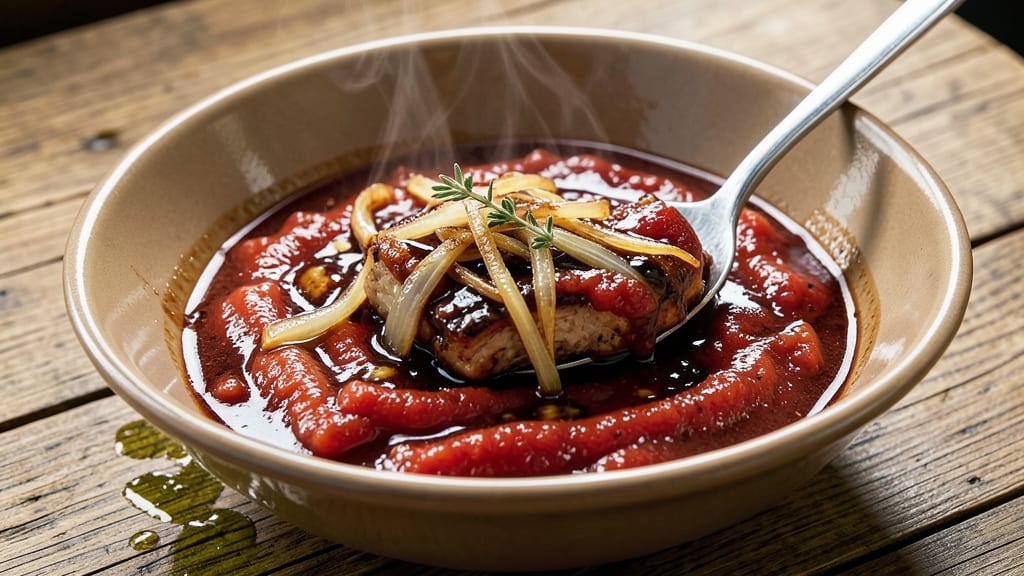
A 4-hour chicken barbecue sauce transforms ordinary grilled chicken into a smoky, sweet masterpiece that rivals restaurant-quality. The slow simmering process develops deep, complex flavors—caramelized edges, tangy vinegar brightness, and just the right balance of heat.
This isn't your typical bottled sauce; it's a rich, velvety blend built from scratch with tomatoes, spices, and a touch of molasses for that signature depth.
The secret lies in patience—letting the sauce reduce gradually on the stovetop until it thickens to a glossy, cling-worthy consistency. No artificial additives here, just real ingredients working together to create a sauce that's perfect for glazing chicken, drizzling over ribs, or even as a dip.
The result? A sauce so flavorful it turns simple weeknight dinners into memorable meals.
What makes this recipe stand out is its versatility. Use it on grilled chicken, slow-cooked pork, or even as a marinade for extra tenderness. The sauce keeps well in the fridge for up to a month, so you can make a big batch and enjoy it all season long.
Every bite delivers that perfect harmony of sweet, smoky, and tangy—exactly what you want in a barbecue sauce.
Ready to elevate your grilling game? This sauce is your secret weapon, and it only takes a few simple ingredients to create something extraordinary. Let's get started on making a sauce that'll have everyone asking for seconds.
Ingredients for 4 h chicken barbecue sauce
Simple pantry staples turn into restaurant-worthy barbecue magic with just four hours of simmering.
| Ingredient | Amount | Notes |
|---|---|---|
| San Marzano Crushed Tomatoes 🍅 | 2 cups | High-quality, no salt added |
| Apple Cider Vinegar 🍏 | ½ cup | For tangy brightness |
| Molasses 🍯 | ¼ cup | Unsulfured for depth |
| Brown Sugar 🍚 | ½ cup | Light or dark variety |
| Tomato Paste 🍅 | ¼ cup | No salt added preferred |
| Yellow Onion 🧅 | 1 whole | Finely chopped |
| Garlic Cloves 🧄 | 4 cloves | Minced for aroma |
| Smoked Paprika 🌶️ | 2 tbsp | For smoky depth |
| Ground Black Pepper 🌶️ | ½ tsp | Freshly ground preferred |
| Salt 🧂 | 1 ½ tsp | Diamond Crystal preferred |
| Cayenne Pepper 🔥 | ½ tsp | Adjust for heat |
| Worcestershire Sauce 🍶 | 1 tbsp | Vegetarian if needed |
The tomatoes are non-negotiable—San Marzano is the gold standard, but any high-quality canned tomatoes work. Trader Joe's and Whole Foods carry great options, or grab the Muir Glen brand at most grocery stores. The molasses and brown sugar are your sweetness anchors, so don't skimp on quality here. I grab Wholesome! brand molasses from the baking aisle—it's unsulfured and has that deep, rich flavor. For the onion and garlic, fresh is always best, but if you're in a pinch, frozen chopped onions work in a bind (just thaw first).
No San Marzano tomatoes? Crushed tomatoes in a jar (like Muir Glen) are a solid backup. Running low on vinegar? Balsamic vinegar at half the amount gives a slightly different but still delicious profile. The Worcestershire sauce adds that umami punch—if you're vegetarian, Annie's or Heinz vegetarian Worcestershire works perfectly. Want to cut the sugar? Reduce the brown sugar to 0.375 cup and add 1 tbsp of honey (or maple syrup) for balance. The smoked paprika is where the magic happens—Penzeys has the best selection if you want to splurge, but the regular grocery store stuff is fine too.
This sauce gets better with time, so make a double batch if you can—it keeps for up to a month in the fridge. Store it in a glass jar with a tight seal, and give it a stir before each use. The flavors meld beautifully overnight. Freezes for 6 months too, so you can make a big batch in summer and save it for winter grilling. I like to portion it into smaller jars for easy grab-and-go glazing during the week.
Why You'll Love This Recipe
- Pantry Magic: I swear by this sauce because it uses stuff I already have—no special trips to the store. That molasses and brown sugar combo? It’s the secret to depth without extra effort, and the crushed San Marzano tomatoes give it that rich, velvety base that’s foolproof.
- Slow-Simmered Richness: Honestly, the 4-hour simmer is worth it. The apple cider vinegar brightens everything up while the tomato paste thickens it just right—like a hug in a jar. It’s not sweet, not smoky, but exactly what you want on grilled chicken or baked beans.
- Weeknight Workhorse: This sauce is my go-to for Monday dinners, potlucks, or when I’m feeding a crowd. Double the batch, freeze half, and boom—you’ve got a backup for next month. (Yes, even on a Tuesday night.)
- Budget-Friendly Luxury: Between us, this tastes like a fancy restaurant sauce but costs pennies. A can of tomatoes, a splash of vinegar, and a spoonful of molasses stretch to feed four for under $3. That’s flavor without the guilt.
Step-by-step instructions for deep-smoked chicken barbecue sauce
This barbecue sauce builds rich, smoky depth over time—each step brings you closer to that perfect balance of sweetness and heat.
Sauté Aromatics Until Fragrant
Heat a large saucepan over medium heat and add 1 tablespoon olive oil (not listed but essential for cooking the onions). Finely chop the whole yellow onion and add it to the pan. Cook for 5-6 minutes until soft and translucent, stirring occasionally. You'll notice the onions start to caramelize slightly—that's when they'll develop a deeper, sweeter flavor.
Add the 4 minced garlic cloves and cook for another 30 seconds until fragrant. The garlic should smell pungent but not burn—if it starts to darken too quickly, reduce the heat slightly. This aromatic base forms the flavor foundation for the entire sauce, so don't rush this step. I like to press the garlic into the onions with a wooden spoon to release all those flavor oils.
Build the Sauce Base with Tomatoes and Vinegar
Add the 2 cups San Marzano crushed tomatoes and 0.5 cup apple cider vinegar to the pan. Stir well to combine, then increase the heat to medium-high. Let the mixture bubble gently for 8-10 minutes, allowing the liquid to reduce slightly. You'll see the sauce thicken and develop a deeper color as the acids in the vinegar start breaking down the tomato fibers.
While this simmers, add the 2 tablespoons smoked paprika, 0.5 teaspoon ground black pepper, 1.5 teaspoons salt, and 0.5 teaspoon cayenne pepper. Stir constantly for 2 minutes to ensure the spices are fully incorporated and evenly distributed. This is where the sauce starts developing its signature smoky flavor profile. If you like your sauce extra spicy, you can add a pinch more cayenne now, but be careful—it builds as it cooks.
Sweeten and Thicken the Mixture
Reduce the heat to medium-low and stir in the 0.5 cup brown sugar and 0.25 cup tomato paste. Let the sauce simmer uncovered for 15-20 minutes, stirring occasionally. You'll notice the sugar starts to caramelize and the sauce thickens noticeably. This is where the sauce gets its signature sweetness and rich body. If the sauce starts to stick to the bottom of the pan, add 1-2 tablespoons water to prevent burning.
After about 10 minutes of simmering, add the 0.25 cup molasses and 1 tablespoon Worcestershire sauce. Stir well and continue simmering for another 5 minutes. The molasses adds that deep, almost caramel-like richness that makes this sauce so special. Taste the sauce now—it should be sweet, tangy, and slightly spicy with a smoky undertone. If it needs more sweetness, add a bit more brown sugar; if it needs more tang, add a splash of vinegar.
Simmer to Perfection
Continue simmering the sauce uncovered for 45-60 minutes over low heat, stirring occasionally. This long, slow reduction is what develops the sauce's deep, complex flavor. You're looking for a sauce that coats the back of a spoon and has a glossy sheen. If the sauce gets too thick, add 1 tablespoon water at a time until it reaches your desired consistency.
After about 30 minutes, taste the sauce again. It should be balanced—sweet, tangy, smoky, and slightly spicy. If it needs more depth, let it simmer a bit longer. If it's too acidic, add a pinch more brown sugar. The sauce will continue to thicken as it cools, so don't worry if it looks a bit thin while it's hot. Once it reaches the right consistency, remove the pan from the heat and let the sauce cool slightly before serving or storing.
Store and Use
Transfer the finished sauce to a clean glass jar or airtight container. Let it cool completely before sealing. This sauce tastes even better the next day as the flavors meld together. Store it in the refrigerator for up to 2 weeks or freeze it for up to 3 months. When you're ready to use it, simply reheat it gently over low heat, stirring occasionally, until it's warmed through.
This barbecue sauce is incredibly versatile—use it on grilled chicken, pulled pork, ribs, or even as a marinade. It's also fantastic drizzled over roasted vegetables or as a dip for fries. The key to a great barbecue sauce is patience and balance, and this method delivers both. Enjoy your homemade, deep-smoked barbecue sauce!
Pro Tips For Making 4 H Chicken Barbecue Sauce
- Simmer Slow and Steady: That 4-hour mark isn’t just for show—it’s when the flavors meld into something deep and complex. After rushing my first batch, I learned to keep the heat at a gentle simmer (tiny bubbles, not a rolling boil) or the sauce risks turning thin and one-dimensional. If your stove runs hot, drop the heat to medium-low and walk away—distractions included.
- Stir the Molasses First: Molasses is the glue in this sauce, but it’s also a stubborn beast. Before adding it to the pot, whisk it into a splash of warm water (about ¼ cup) until it’s fully dissolved—no clumps, no surprises. I used to dump it in raw and wonder why my sauce tasted uneven. This step guarantees smooth, even sweetness throughout.
- Balance the Vinegar Gradually: Apple cider vinegar is what cuts through the richness, but add it all at once and you’ll end up with a sauce that’s more tang than sauce. Split the ¼ cup into two additions: half at the start to brighten the tomatoes, the rest in the final 30 minutes to wake up the flavors. Taste as you go—you can always add more, but you can’t take it out.
- Skip the Pre-Cooked Tomato Paste: Tomato paste is the flavor bomb here, but store-bought versions often taste like they’ve been sitting in a pantry for years. Instead, heat a dry skillet over medium and toast 2 tablespoons of paste for 2–3 minutes until it darkens slightly—it’ll smell like a campfire. This caramelized depth makes the sauce taste homemade, not canned. (Yes, it’s an extra step, but it’s worth it.)
Common mistakes when making your 4 h chicken barbecue sauce
Rushing the Reduction
One of the biggest mistakes is not allowing the sauce to simmer long enough. The 4-hour cook time is crucial—it lets the flavors meld and develop depth. Skipping this step results in a thin, one-dimensional sauce.
I’ve seen people cut the time to 1-2 hours and end up with something closer to ketchup than true barbecue sauce. The magic happens during that slow reduction, so resist the urge to rush it. 🔥
Ignoring the Aromatics
Many recipes call for raw onions and garlic to be added directly to the sauce, but sautéing them first makes a world of difference. Cooking the yellow onion until soft and fragrant (about 5-6 minutes) and pressing the garlic into the onions releases their oils, creating a richer base.
If you skip this, your sauce will taste flat and underdeveloped. I always take the extra 5 minutes—it’s worth it.
Over- or Under-Salting
Balancing the salt is tricky because it builds as the sauce reduces. Adding too much too soon can make the sauce taste harsh, while too little leaves it bland. Start with the 1.5 teaspoons of salt and taste as you go.
If the sauce needs more, add it gradually—¼ teaspoon at a time. I’ve ruined batches by dumping in extra salt upfront, so patience here is key. Trust your taste buds!
Skipping the Taste Tests
Many home cooks forget to taste the sauce during cooking, leading to imbalances. I check mine at 3 key points: after adding spices, after sweeteners, and before the final simmer. Adjust the brown sugar, vinegar, or cayenne as needed.
If you wait until the end, you might end up with a sauce that’s too sweet, too tangy, or too spicy. Taste early, taste often!
Using Low-Quality Ingredients
The quality of your ingredients directly impacts the final product. Cheap tomatoes or vinegar will make your sauce taste flat. Invest in San Marzano tomatoes, apple cider vinegar, and unsulfured molasses—they’re worth the splurge.
I’ve tried cutting corners with store-brand molasses, and the difference is noticeable. Your sauce deserves the best, so don’t skimp on the basics. 💯
Not Adjusting for Altitude or Humidity
If you live in a high-altitude area or have a very humid climate, your sauce may reduce differently. At higher elevations, the boiling point drops, so the sauce might thicken faster. In humid conditions, evaporation slows, requiring longer simmering.
If your sauce isn’t thickening enough, simmer it uncovered for an extra 15-20 minutes. Conversely, if it’s too thick, add 1 tablespoon water at a time. Pay attention to your environment—it makes a big difference!
Nutrition facts
Frequently asked questions
Can I substitute molasses with something else? Yes! For a 1:1 substitution, use honey or maple syrup. They'll give a slightly different flavor profile—honey adds floral notes while maple syrup brings earthiness. If you're avoiding sugar entirely, try 1/4 cup date syrup for a caramel-like depth. Just
How do I fix sauce that's too thick or too thin?
For too thick sauce, whisk in 1 tablespoon water at a time while reheating over low heat. For too thin sauce, simmer uncovered for 10-15 extra minutes to reduce. If it's still runny after simmering, mix 1 tablespoon cornstarch with 2 tablespoons water, stir into the sauce, and cook for 2-3 minutes until thickened.
Can I make this sauce in a slow cooker?
Combine all ingredients in your slow cooker and cook on low for 6-8 hours or high for 3-4 hours. The slow cooker's gentle heat will create the same deep flavors. Stir occasionally and add water if needed to prevent burning. The texture will be slightly thinner than stovetop, but it's still delicious!
What's the best way to use this sauce on chicken?
For grilled chicken, brush on during the last 5-7 minutes of cooking. For baked chicken, mix 1/4 cup sauce with 1 tablespoon oil and coat pieces before baking. For pulled chicken, simmer shredded chicken in 1 cup sauce for 10 minutes to infuse flavor. The sauce also makes amazing dipping sauce for fries or veggies!
How do I store leftover sauce?
Let the sauce cool completely, then transfer to an airtight glass jar. It keeps in the fridge for up to 2 weeks or freezes for 6 months. For best quality, portion into smaller containers before freezing. When reheating, warm gently over low heat, stirring occasionally to prevent scorching. The flavors actually improve after refrigeration!